Priya's Thursday, Two Ways
9 lessons · 32 prompts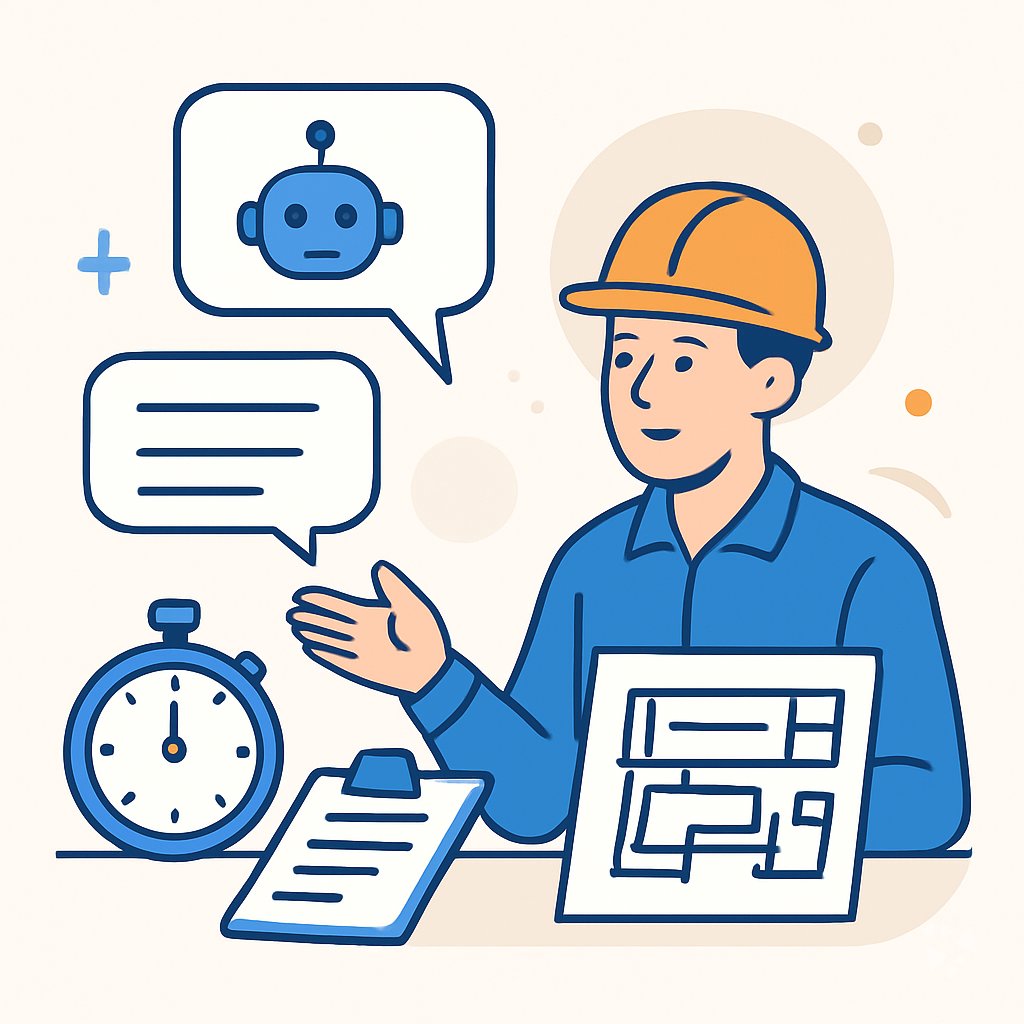
A day in the life of an Industrial Engineer: what changes with these prompts.
Track progress as a memberPriya, an industrial engineer at a regional food packaging plant.
Priya starts Thursday with a line that keeps stopping near the labeler. Her manager wants a quick update before the morning huddle. She opens ChatGPT and uses the Everyday AI prompt to turn her messy floor notes into a short list of clear bullets.
Next she pastes the line layout into Claude and uses the Process Mapping prompt to turn her description into a simple flowchart and a draft work instruction. She checks it against what she saw and fixes a few steps.
After lunch, the labeler jams again. Priya uses the Bottleneck and Troubleshooting prompt in Gemini to list likely causes and questions for the operators. She takes that list to the line, finds a guide rail out of alignment, and writes a short fix note.
Before she leaves, she uses the Client and Project Communication prompt to draft a status update for the plant manager and a short training note for the night shift. The drafts are rough but useful. She uses the time she won back to walk the floor with a new operator and still leaves on time.
Before
- Notes pile up after every line walk.
- Process maps take too long to draw.
- Updates for managers feel rushed.
- Problems wait while paperwork grows.
After this course
- Notes turn into clear updates fast.
- Process maps start from a rough description.
- Bottlenecks get a focused question list.
- More time for the floor and for people.
What you'll learn
- Everyday Drafting: Use AI to draft process descriptions and summarize production meetings.
- Process Maps: Generate flowcharts, work instructions, and standard procedures from your own descriptions.
- Data and Metrics: Write analysis code, interpret production metrics, and calculate key industrial engineering numbers.
- Workstation Design: Suggest ergonomic improvements and draft layout specifications for workstations.
- Simulation Planning: Write simulation code, generate scenarios, and interpret results for system design.
- Bottleneck Fixes: Identify bottlenecks from descriptions and troubleshoot production delays.
- Lean and Quality: Draft lean plans, create value stream maps, size kanban systems, design time study sheets, and set up control charts.
- Client Communication: Draft client proposals, project status reports, and training plans for process changes.
How this course works
- 9 lessonsOne task of your job each, from everyday ai for ie to client and project communication.
- Ready-to-paste promptsCopy, fill in the parts in {{brackets}}, paste into ChatGPT, Claude or Gemini.
- Tick and completeTick the prompts you tried and mark each lesson complete.
- Get certifiedFinish and keep the prompts as your own library.