Priya's Thursday, two ways
8 lessons · 25 prompts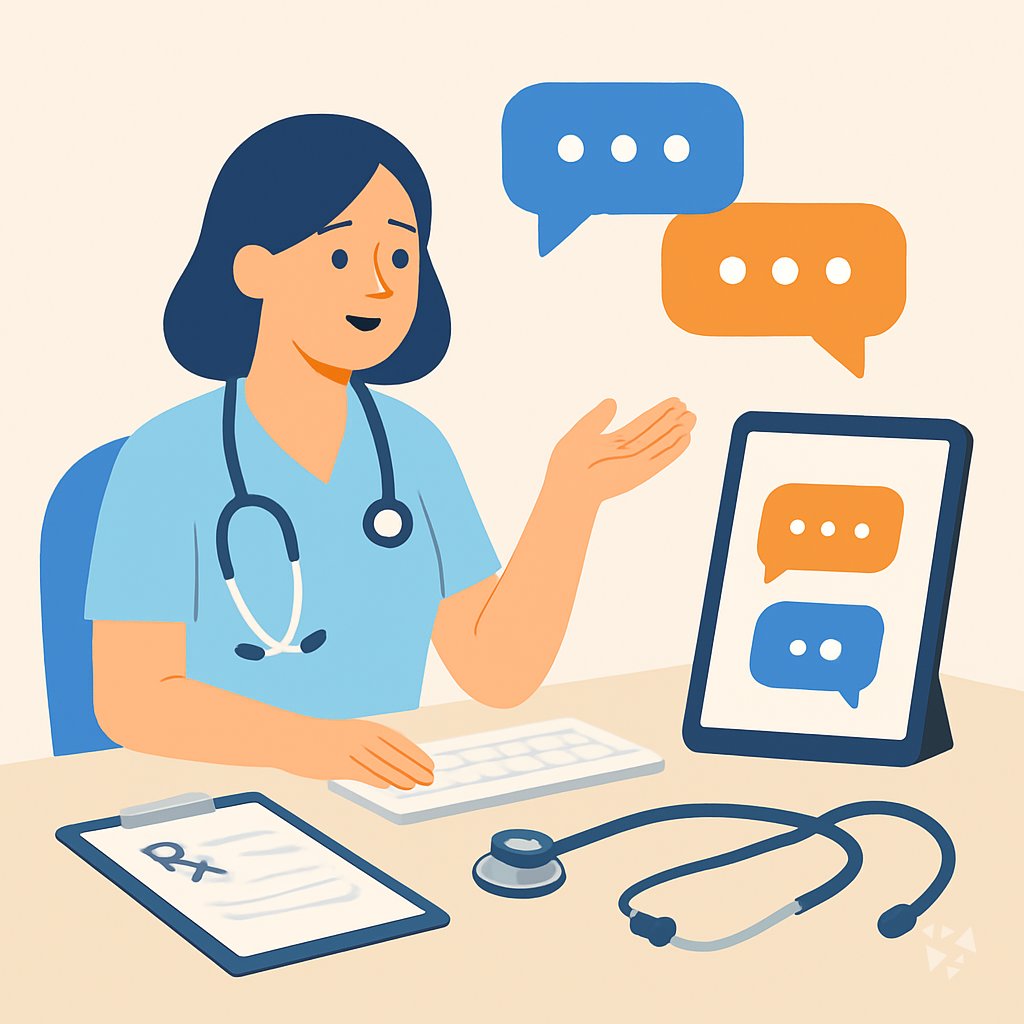
A day in the life of a Nurse Practitioner: what changes with these prompts.
Track progress as a memberPriya, a family nurse practitioner at a community health clinic.
Priya starts Thursday with a full schedule and two chart notes left from yesterday. Before her first patient, she opens ChatGPT and uses the Clinical Documentation prompt to draft a note for a 58-year-old man with poorly controlled blood pressure. She adds the visit details without his name or birth date, asks for a shorter assessment, and checks the plan against her own notes.
At lunch, she uses Claude for the Patient Education Basics prompt. She needs a one-page handout for a patient starting a new inhaler, written at a sixth-grade reading level. The first draft is too long, so she asks for five short steps and a simple checklist. She prints it and adds her clinic's phone number.
Later, a patient calls about a high blood sugar result. Priya uses Gemini with the Lab and Test Follow-Up prompt to draft a calm message that explains the result, asks about symptoms, and offers two appointment times. She edits the wording so it sounds like her, then sends it through the patient portal.
By 4:30, her notes are done and the handout is ready. She uses the time she won back to call her sister and take a walk before dinner, instead of staying late to finish charts.
Before
- Charting spills into dinner
- Patients call back confused
- Inbox never feels empty
- Answers scattered across tabs
After this course
- Notes done before dinner
- Clear handouts ready to share
- Follow-up calls feel calmer
- Home on time more often
What you'll learn
- Plain-language teaching: Turn clinical findings into clear explanations and home instructions patients can follow.
- Chart notes: Draft and tighten visit notes, summaries, and after-visit instructions.
- Medication support: Prepare medication explanations, prior authorization letters, and interaction checks.
- Lab follow-up: Explain results, plan next steps, and write follow-up messages for tests and labs.
- Care planning: Build personalized treatment plans, referral summaries, and care team updates.
- Clinical thinking: Generate differentials, focused history questions, and guideline comparisons for review.
- Patient communication: Draft empathetic messages and scripts for sensitive conversations.
- Practice tasks: Create protocol summaries, quality audit plans, and recall outreach for population health.
How this course works
- 8 lessonsOne task of your job each, from patient education basics to practice admin and quality.
- Ready-to-paste promptsCopy, fill in the parts in {{brackets}}, paste into ChatGPT, Claude or Gemini.
- Tick and completeTick the prompts you tried and mark each lesson complete.
- Get certifiedFinish and keep the prompts as your own library.