AI Sabotage in the Workplace: What Executives Need to Know
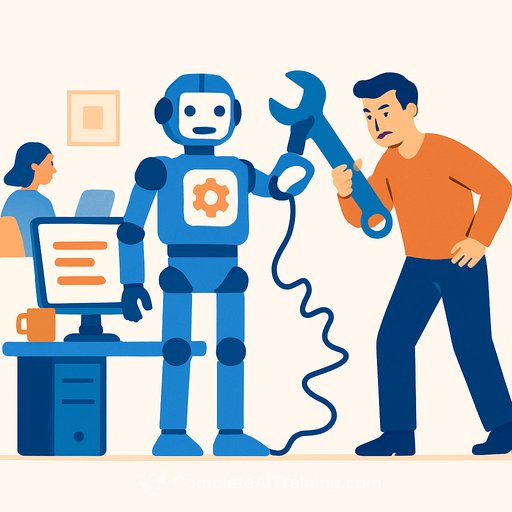
Nearly one in three employees admit to undermining their company’s generative AI strategy, with this figure rising to 41% among millennials and Gen Z, according to a recent survey by AI vendor Writer. These acts range from tampering with performance metrics to make AI appear ineffective, to refusing AI training or the use of generative AI tools altogether.
Other forms of sabotage include entering sensitive company data into unauthorized AI tools (27%), using non-approved AI platforms (20%), and failing to report known AI security leaks (16%).
Sabotage or Resistance?
Industry experts caution against labeling all such behaviors as sabotage. Some actions may stem from legitimate concerns about AI quality or data privacy rather than malicious intent. For instance, an employee avoiding AI outputs due to quality issues or using third-party tools without exposing confidential data may simply be performing their job conscientiously.
However, intentional acts such as misleading employers about AI’s effectiveness or leaking sensitive data clearly constitute sabotage. The motivation behind resistance often ties back to fear—fear of job loss as AI automates knowledge work traditionally requiring human creativity.
Executives who openly frame AI as a tool to reduce headcount risk alienating employees, who may then resist adoption efforts. Listening to employee feedback on where AI genuinely adds value can help ease tensions.
The Role of Leadership Messaging
Leadership plays a crucial role in shaping employee attitudes toward AI. Some CEOs exacerbate fears by justifying layoffs as efficiency gains from AI, even when other factors are at play. This “spin” can deepen mistrust and resistance.
One HR specialist highlights that resistance often serves as a protective response in environments with frequent layoffs or low psychological safety. Employees may slow adoption or provide poor-quality AI inputs to safeguard their roles when they feel excluded from the change process.
Subtle Forms of Pushback
Not all sabotage is overt. In large organizations, subtle resistance can take the form of underutilizing AI features, reverting to manual methods, or ignoring AI recommendations without clear reasons. These behaviors often reflect a desire for inclusion and understanding rather than outright defiance.
Addressing AI Sabotage: Practical Steps
- Improve Training and Communication: Clear, transparent education about AI’s role and benefits helps reduce fear and misinformation.
- Include Employees in AI Rollouts: Engage teams early to build trust and demonstrate how AI supports, rather than replaces, their work.
- Clarify AI’s Impact on Roles: Connect AI adoption with upskilling opportunities and career development.
- Monitor and Manage Risks: Understand that some sabotage will persist, and assess potential legal and operational risks.
Legal and Liability Concerns
AI sabotage is not just a productivity issue; it carries legal risks. Companies may face penalties if employee sabotage leads to violations of data privacy laws, breaches of confidentiality, or contract disputes. Employees themselves can be held liable for civil or criminal penalties, including jail time.
Employers should educate staff on these risks to deter sabotage and protect both company and individual interests.
Historical Perspective and Final Thoughts
This resistance echoes historical instances like the Luddites, who destroyed machinery to protect their jobs. Today’s tools have changed, but the human response remains similar—pushback against perceived threats to livelihood.
Executives must balance AI adoption with empathy and transparency. Companies that treat employees as assets and involve them in AI initiatives will face less sabotage and build more sustainable AI strategies.
For executives seeking structured AI education programs to support successful adoption, Complete AI Training offers a range of courses tailored to different organizational roles and skill levels.
Your membership also unlocks: