Priya's Wednesday, Two Ways
8 lessons · 26 prompts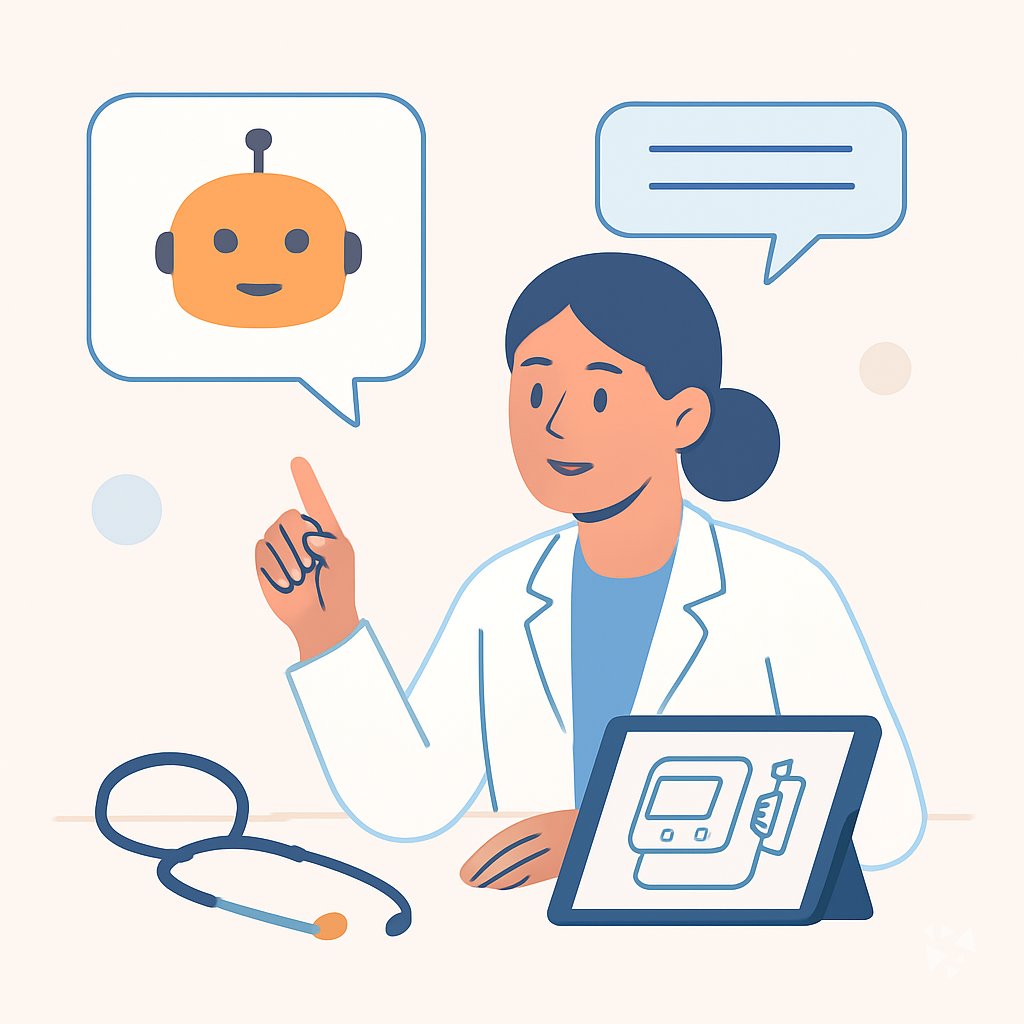
A day in the life of a Biomedical Engineer: what changes with these prompts.
Track progress as a memberPriya, a biomedical engineer at a mid-sized medical device company.
Priya starts her Wednesday with a meeting about a new infusion pump. The clinician mentions a need for a quieter alarm at night. Back at her desk, she opens ChatGPT and uses the Clinical Requirements prompt to turn her messy notes into a clear user needs document. She edits a few lines and sends it to the team before lunch.
After lunch, a nurse reports that a prototype screen freezes after a software update. Priya uses the Troubleshooting Support prompt in Claude to analyze the error log. The AI suggests a memory issue and lists three checks. She runs the checks and finds the problem in twenty minutes.
Later, she needs to draft a risk analysis table for the same pump. She uses the Regulatory Compliance prompt in Gemini to create a first draft of an FMEA table. She lists potential failures like battery overheating and adds her own notes. The draft is ready for review by the end of the day.
With the time she saves, Priya leaves on time. She stops by the lab to talk with a technician about a small design tweak, then goes home to cook dinner with her family. The work still needs her judgment, but the blank pages no longer slow her down.
Before
- Notes pile up faster than I can sort them.
- Blank pages slow every document.
- Troubleshooting feels like guesswork.
- Regulatory drafts eat my evenings.
After this course
- First drafts appear in minutes.
- I solve issues with clear steps.
- Regulatory work feels manageable.
- I leave on time with energy left.
What you'll learn
- Clinical Requirements: Turn clinician input and clinical problems into clear engineering requirements and user needs documents.
- Explaining Devices: Create clear explanations and training materials about medical devices for clinicians, patients, and hospital staff.
- Troubleshooting Support: Diagnose device issues from user descriptions or logs and get suggestions for fixing prototype malfunctions.
- Design Documentation: Draft test protocols, verification plans, and component specifications to support device design and validation.
- Regulatory Compliance: Understand FDA and ISO requirements and draft risk analysis documents like FMEA tables.
- Data Analysis: Analyze user feedback and clinical data to prioritize design improvements and generate synthetic data for testing.
- Collaboration Communication: Prepare for design reviews, collect structured clinician feedback, and turn meetings into clear action items.
- Advanced Submissions: Draft sections of regulatory submissions, clinical evaluation reports, and cybersecurity plans for connected devices.
How this course works
- 8 lessonsOne task of your job each, from clinical requirements & needs to advanced regulatory submissions.
- Ready-to-paste promptsCopy, fill in the parts in {{brackets}}, paste into ChatGPT, Claude or Gemini.
- Tick and completeTick the prompts you tried and mark each lesson complete.
- Get certifiedFinish and keep the prompts as your own library.