Priya's Wednesday, two ways
8 lessons · 26 prompts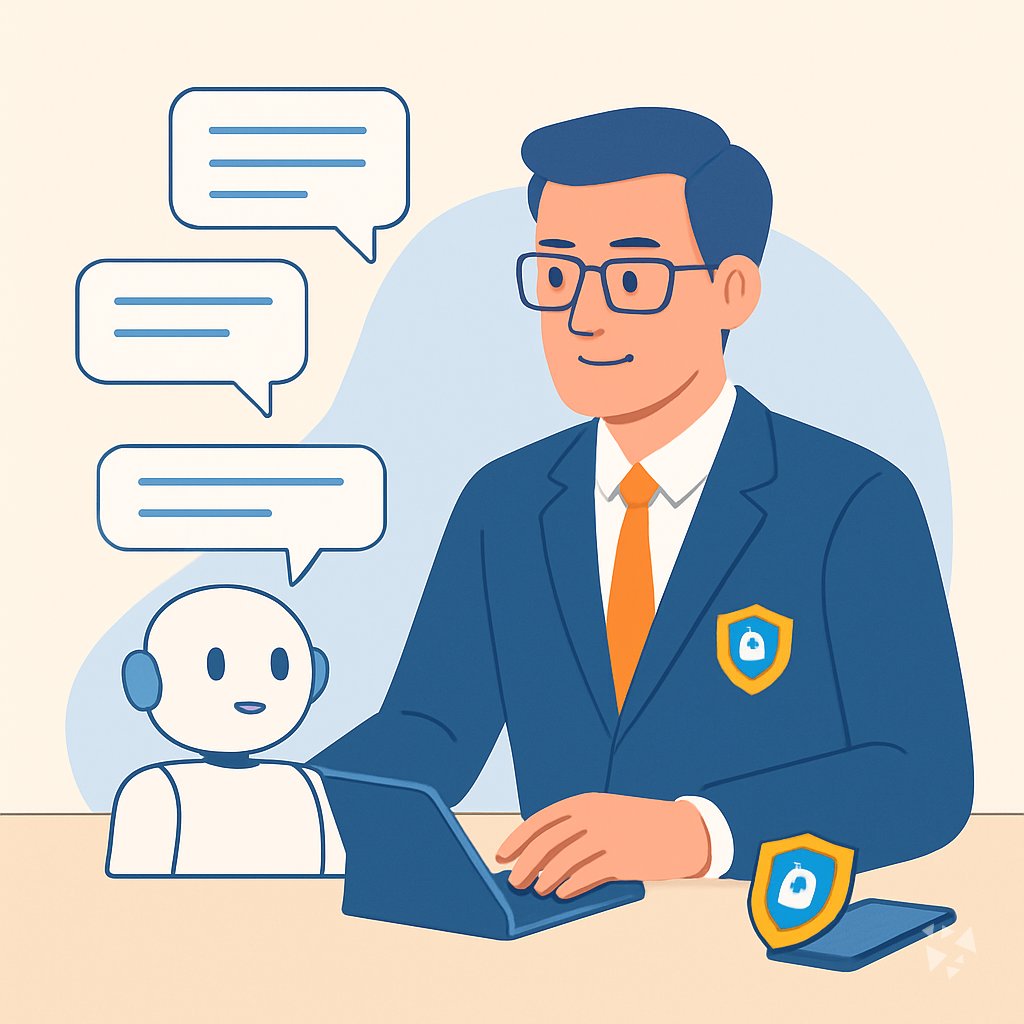
A day in the life of a Chief Information Security Officers (CISOs): what changes with these prompts.
Track progress as a memberPriya, a Chief Information Security Officer at a regional health network.
Priya starts her Wednesday with a vendor report about a ransomware group targeting hospitals. She pastes the key paragraphs into ChatGPT and asks for a one-page brief for her team. The prompt from the threat intelligence lesson helps her pull out the tactics and the recommended actions.
Next, she needs to update the board on security metrics. She opens Claude and uses the board reporting prompt. She gives the AI the numbers from her dashboard and asks for a two-slide summary with plain language. She edits it to add her own commentary.
After lunch, a phishing simulation for nurses is due. She uses Gemini and the awareness training prompt. She asks for a realistic email that tests whether staff will click a link about a fake payroll update. The AI gives her three versions, and she picks one.
By 4 p.m., she has finished the brief, the board slides, and the simulation. She normally would have stayed late. Instead, she leaves on time to coach her daughter's soccer practice. The time won back goes to her family and her own rest.
Before
- Reports pile up faster than I can read.
- Board asks for clarity I do not have.
- Incident prep waits until the last minute.
- I write policies from scratch every time.
After this course
- I turn threat feeds into briefs in minutes.
- Board updates come together without stress.
- Incident playbooks are ready before we need them.
- I leave work on time more often.
What you'll learn
- Threat briefs: Turn raw threat feeds and vendor reports into short summaries for your team and executives.
- Policy drafting: Draft and map security policies to frameworks without starting from a blank page.
- Strategy writing: Build a security strategy with goals, initiatives, and language executives understand.
- Awareness training: Create role-based training, phishing simulations, and quizzes that employees actually get.
- Audit prep: Plan assessments, prioritize findings, and prepare evidence requests for audits.
- Incident playbooks: Build response playbooks, run tabletop exercises, and write communication templates.
- Triage and postmortems: Interpret alerts, draft post-incident reports, and extract lessons learned.
- Board reporting: Design security metrics and turn them into reports boards can act on.
How this course works
- 8 lessonsOne task of your job each, from threat intelligence briefings to security metrics and board reporting.
- Ready-to-paste promptsCopy, fill in the parts in {{brackets}}, paste into ChatGPT, Claude or Gemini.
- Tick and completeTick the prompts you tried and mark each lesson complete.
- Get certifiedFinish and keep the prompts as your own library.