Priya's Thursday, two ways
9 lessons · 24 prompts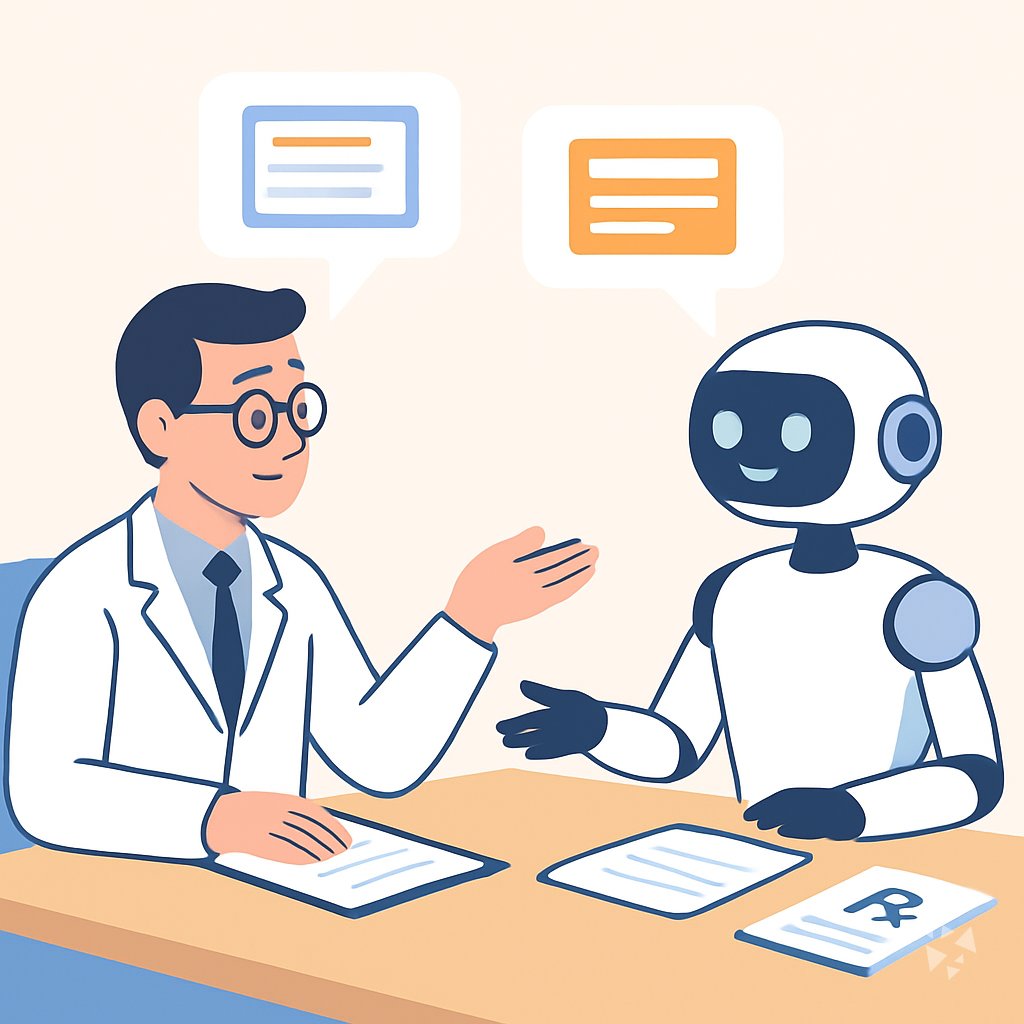
A day in the life of a Psychiatrist: what changes with these prompts.
Track progress as a memberPriya, a psychiatrist in a busy outpatient clinic.
It is Thursday morning. Priya has six patients before lunch. She finishes a session with a patient who has bipolar disorder. She types rough notes: mood better, sleep six hours, no side effects, still anxious about work. She asks ChatGPT to turn them into a structured progress note. She checks it, edits two lines, and signs.
The next patient is starting sertraline. Priya uses Claude to write a plain-language handout about what to expect, common side effects, and when to call. She adds her clinic's phone number. The patient reads it and asks fewer questions.
After lunch, she reviews a new patient with a long chart from another clinic. She pastes the history into Gemini and asks for a one-page summary of diagnoses, medications, and past hospitalizations. She spots a gap in the medication list and follows up.
At four o'clock, she drafts a prior authorization letter for a patient who needs a medication not on the formulary. She uses ChatGPT to write the first draft, then edits it to match the insurer's form. She finishes by four thirty instead of six. She walks to the park with her dog before dinner.
Before
- Chart notes pile up after every session
- Handouts take time to write clearly
- Insurance letters wait until Friday
- Progress summaries feel like a chore
After this course
- Notes are drafted before the next patient
- Handouts ready in a few minutes
- Insurance letters go out on time
- Progress reviews feel light and clear
What you'll learn
- Clinical notes: Turn rough session notes into clear, structured evaluations you can review and sign.
- Patient explanations: Create plain-language handouts about diagnoses and medications that patients can take home.
- Therapy materials: Generate worksheets, psychoeducation handouts, and guided scripts for your sessions.
- History summaries: Distill long charts and past notes into short summaries for quick review before a visit.
- Medication support: Draft schedules, checklists, and interaction reminders to support safer prescribing.
- Progress monitoring: Summarize progress data and update treatment plans without starting from a blank page.
- Care coordination: Draft clear messages to therapists, primary care, and other providers on the care team.
- Practice paperwork: Write insurance letters, prior authorizations, and other practice documents more quickly.
How this course works
- 9 lessonsOne task of your job each, from draft clinical notes and evaluations to advanced complex case formulation.
- Ready-to-paste promptsCopy, fill in the parts in {{brackets}}, paste into ChatGPT, Claude or Gemini.
- Tick and completeTick the prompts you tried and mark each lesson complete.
- Get certifiedFinish and keep the prompts as your own library.