Nadia's Thursday, two ways
9 lessons · 32 prompts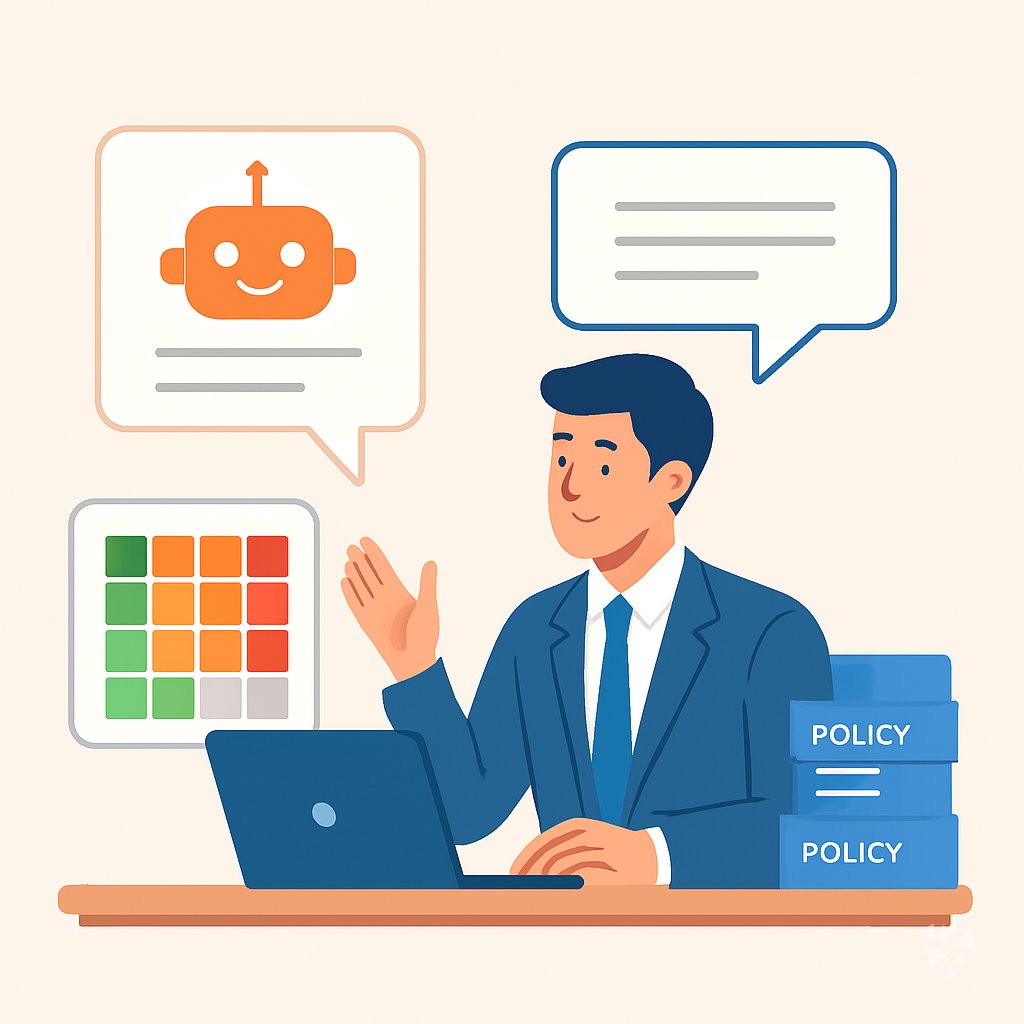
A day in the life of a Risk Manager: what changes with these prompts.
Track progress as a memberNadia, a risk manager at a mid-sized logistics company.
Nadia starts Thursday with a supplier email about a new warehouse in a flood zone. She opens Claude and uses the Risk Identification Basics prompt: 'List possible operational, safety, and compliance risks from this note. Group them by cause.' In a few minutes she has a first list to check with the site lead.
After lunch, she uses ChatGPT for Risk Assessment and Scoring. She pastes the shortlist and asks for a simple likelihood and impact table with reasons. She changes two scores by hand because she knows the local team has a strong backup plan.
Before the compliance meeting, she opens Gemini for Compliance and Policy Updates. She asks it to compare the draft policy with the new transport rule and mark unclear sentences. Then she uses Executive Reporting in Claude to turn the whole day into a one-page summary for the head of operations, with three options and a clear recommendation.
Nadia ends the day with the time she won back. She walks the loading dock, talks with a driver about a near miss, and leaves on time for her daughter's school play.
Before
- Lists built by hand late at night
- Policy changes tracked in scattered emails
- Leaders ask for updates at the last minute
- Loss patterns stay hidden in old reports
After this course
- First drafts ready before the meeting
- Policy updates clear and easy to find
- Leaders get short briefs they can use
- Time for site visits and real talks
What you'll learn
- Spot risks faster: Turn meeting notes, news, and reports into a structured list of possible risks.
- Score with care: Build simple assessment tools and apply consistent likelihood and impact ratings.
- Plan mitigations: Draft controls, owners, dates, and contingency steps for each risk you choose.
- Track compliance: Understand rule changes, update policy language, and keep a clear record of updates.
- Explain risk well: Create training messages and short briefs that employees and leaders can use.
- Read loss data: Find patterns, repeated causes, and quiet warning signs in incident and loss reports.
- Report to leaders: Condense complex risk information into clear options and next steps for executives.
- Test your thinking: Explore scenarios, stress-test plans, and compare your practices with common standards.
How this course works
- 9 lessonsOne task of your job each, from risk identification basics to admin and documentation.
- Ready-to-paste promptsCopy, fill in the parts in {{brackets}}, paste into ChatGPT, Claude or Gemini.
- Tick and completeTick the prompts you tried and mark each lesson complete.
- Get certifiedFinish and keep the prompts as your own library.