Priya's Thursday, two ways
9 lessons · 24 prompts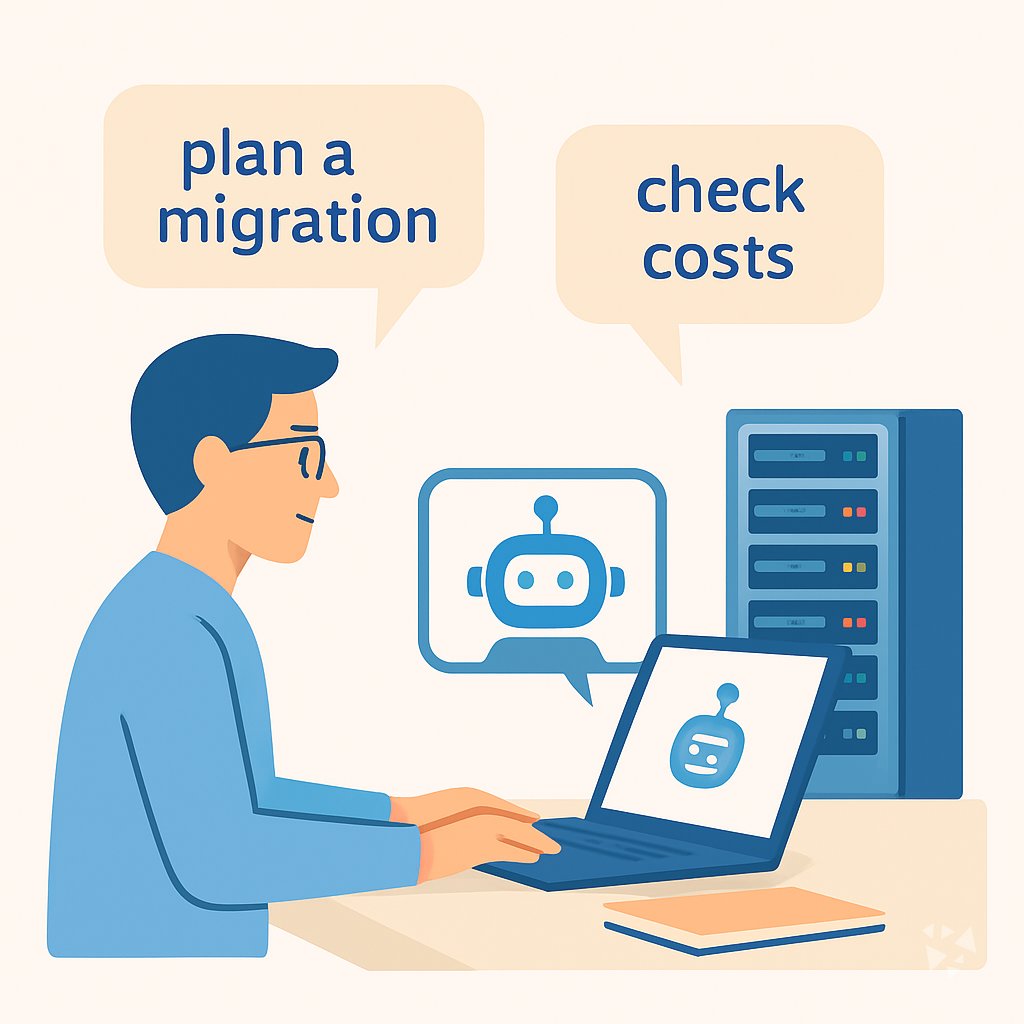
A day in the life of a Cloud Architect: what changes with these prompts.
Track progress as a memberPriya, a cloud architect at a mid-sized insurance company.
Priya starts Thursday with a request from the claims team. They want to move a legacy claims app to the cloud, but no one knows what depends on what. She opens Claude and uses the Plan Cloud Migrations prompt. She types a short description of the app, its database, and the nightly batch job. In minutes, she has a list of dependencies and a suggested sequence.
Next, she needs a draft network layout for the new environment. She switches to ChatGPT and uses the Draft Infrastructure Designs prompt. She gives it the regions, the subnet needs, and the security group rules. The draft is not perfect, but it gives her a starting point she can adjust.
After lunch, a cost alert pops up. Priya uses the Optimize Cloud Costs prompt in Gemini. She pastes a summary of the spend by service, leaving out account numbers. The response explains which instances are oversized and suggests a savings plan. She checks the numbers herself before sharing with finance.
Before she leaves, she uses the Communicate And Document Designs prompt to turn her notes into a one-page decision record. She sends it to the team. The time she saved on drafting goes into a walk with her dog and an early dinner with her family.
Before
- Blank pages and tight deadlines
- Hunting for answers in docs
- Cost surprises late in the month
- Design reviews that run long
After this course
- First drafts ready in minutes
- Clear options to compare
- Costs explained in plain English
- More time for judgment and family
What you'll learn
- Compare services: Ask for side-by-side comparisons of cloud providers and services for a specific workload.
- Draft designs: Turn requirements into draft architectures, network layouts, and starter infrastructure code.
- Plan migrations: Assess applications, sequence moves, and spot dependencies and risks before you migrate.
- Write security policies: Draft least-privilege policies, threat models, and firewall rules you can review and tighten.
- Optimize costs: Get plain-English explanations of spend plus rightsizing and commitment suggestions.
- Monitor systems: Interpret metrics and logs, set sensible alerts, and get troubleshooting ideas from a description.
- Automate deployments: Generate and debug pipeline configs and infrastructure code, with explanations of what they do.
- Ensure compliance: Map controls to frameworks and draft guardrails and policy text your organization needs.
How this course works
- 9 lessonsOne task of your job each, from compare cloud services to communicate and document designs.
- Ready-to-paste promptsCopy, fill in the parts in {{brackets}}, paste into ChatGPT, Claude or Gemini.
- Tick and completeTick the prompts you tried and mark each lesson complete.
- Get certifiedFinish and keep the prompts as your own library.