Priya's Thursday, two ways
9 lessons · 27 prompts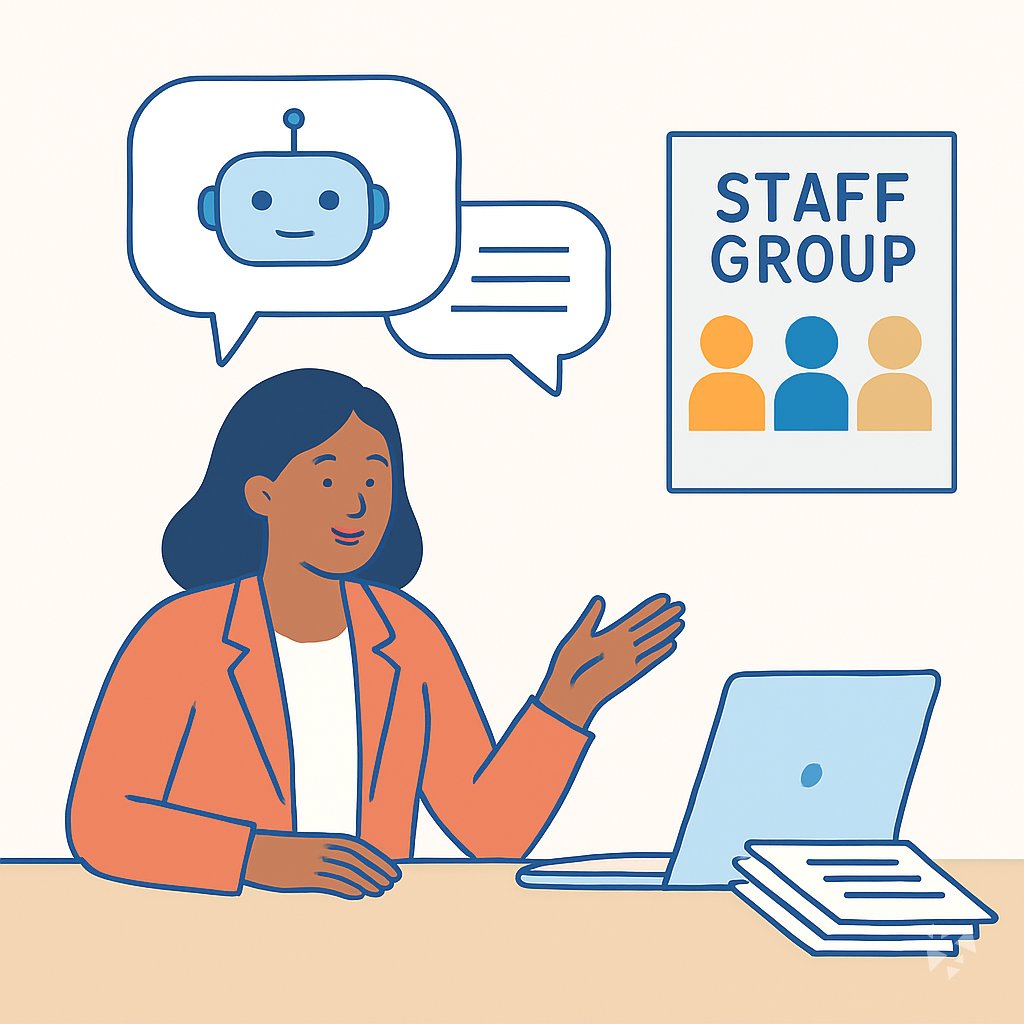
A day in the life of a Diversity and Inclusion Manager: what changes with these prompts.
Track progress as a memberPriya, a diversity and inclusion manager at a regional logistics company.
Priya is a diversity and inclusion manager at a regional logistics company with a few hundred employees. Her Thursday starts with a stack: a hiring report she has to explain at nine, a job posting for a night shift supervisor that has been open since spring, and a short note to managers about flexible hours during Ramadan.
She opens Claude and pastes the last two quarters of hiring numbers, asking for a plain summary of where women and older applicants drop out of the process. It gives her three patterns she had half noticed and one she had missed. She pastes the night shift job description into ChatGPT and asks it to flag wording that might narrow the pool, then rewrites two lines herself.
For the Ramadan note she asks Gemini for three versions, one for warehouse managers, one for the front office, one for the leadership team. She keeps the warehouse version, cuts a sentence that sounds like a policy announcement, and adds a line about the prayer room schedule. At nine she walks into the meeting with the summary and a short list of questions for the operations lead.
By two she has also prepared for a hard conversation with a team lead who made a comment during a training session, using a prompt that helps her plan what to say and what to leave out. She leaves at five thirty, picks up her daughter from swim practice, and does not open her laptop again that night.
Before
- Hiring reports take a full day to shape
- Job postings sit open for months
- Sensitive talks get pushed to next week
- The real work waits until evening
After this course
- Hiring reports take an hour, not a day
- Job postings go out cleaner and faster
- Hard conversations happen on time
- Evenings belong to her family again
What you'll learn
- Drafting communications: Write clear notes, announcements and training invitations in minutes, then make them sound like you.
- Reading workforce data: Ask your AI to summarize hiring, promotion and retention numbers and point out patterns worth a closer look.
- Designing bias training: Build session outlines, scenarios and discussion questions that hold people's attention.
- Reviewing hiring practices: Check job descriptions and interview steps for wording that quietly narrows the pool.
- Advising leadership: Turn your findings into short, plain recommendations leaders can act on.
- Supporting resource groups: Plan ERG activities and find simple ways to show what they changed.
- Tracking progress: Set goals, follow the numbers over time, and write updates that stay honest.
- Handling hard conversations: Prepare for tense discussions so you go in calm and leave with a next step.
How this course works
- 9 lessonsOne task of your job each, from drafting dei communications to handling sensitive conversations.
- Ready-to-paste promptsCopy, fill in the parts in {{brackets}}, paste into ChatGPT, Claude or Gemini.
- Tick and completeTick the prompts you tried and mark each lesson complete.
- Get certifiedFinish and keep the prompts as your own library.