Nina's Wednesday, two ways
9 lessons · 24 prompts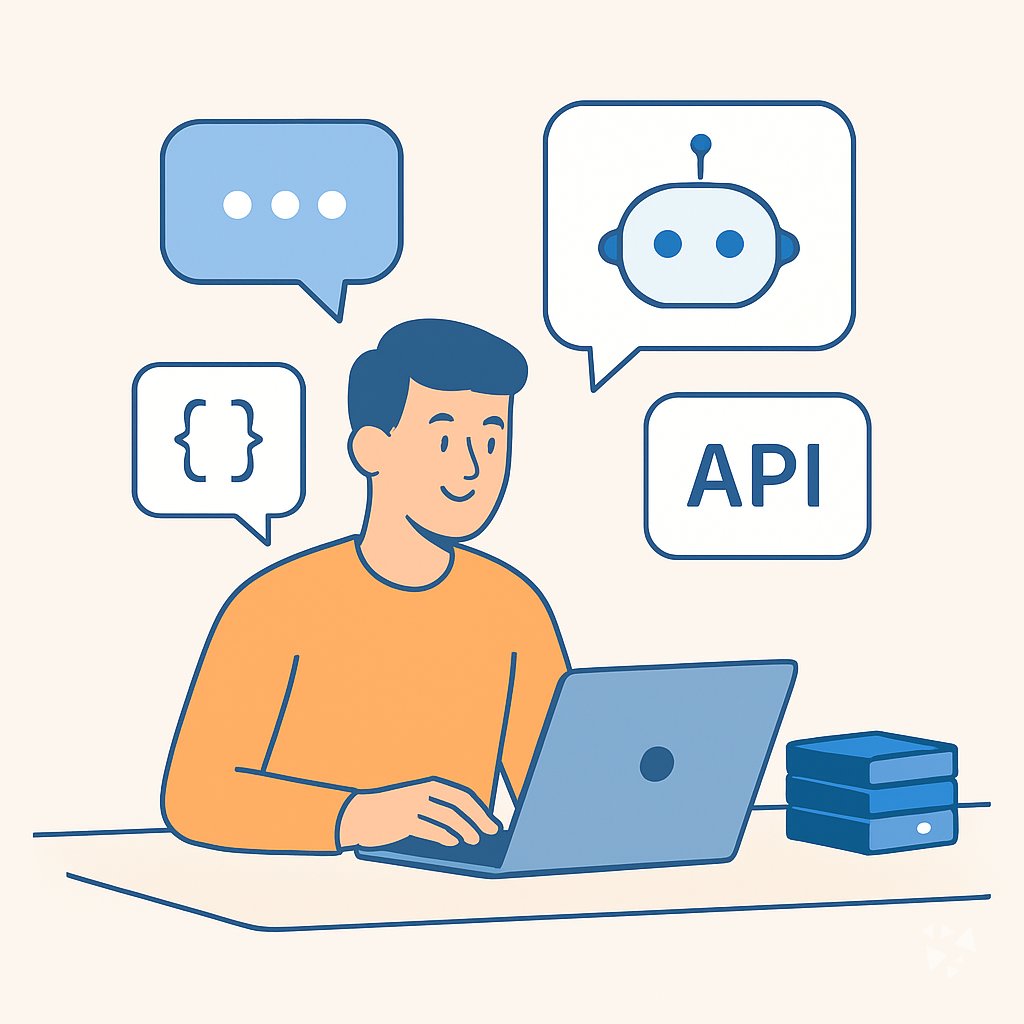
A day in the life of a Full-Stack Developer: what changes with these prompts.
Track progress as a memberNina, a full-stack developer at a small healthcare scheduling company.
Wednesday morning, Nina joins standup with coffee in hand. A ticket says patients cannot cancel appointments, and the logs show a confusing error. She pastes the error into Claude and asks for a plain explanation and the likely causes. Claude points to a missing patientId in the cancellation payload. Nina finds the field before lunch and ships a small fix.
After lunch, she opens ChatGPT to draft API docs for the cancellation endpoint. She gives it the request body, the success response, and the error cases. Then she uses Gemini to plan a migration that adds a reminder_sent column to the appointments table and writes a query for unsent reminders. She checks the migration on a copy of the database first.
Before wrapping up, Nina uses ChatGPT to turn her notes into a short client update. She mentions the fix, the new docs, and the next step for reminders. Her project manager sends it to the client without changes. Nina logs off on time.
With the time won back, she takes her dog for a longer walk and cooks dinner instead of ordering takeout. She also reads a few pages of a novel before bed.
Before
- Tickets pile up faster than I can close them.
- Errors feel like riddles in another language.
- Documentation waits until the last minute.
- I leave late with a tired brain.
After this course
- I fix bugs before they grow.
- API docs are ready when I need them.
- Migrations feel calm and planned.
- I leave on time for a long dog walk.
What you'll learn
- Daily coding: Use AI to speed up boilerplate, small functions, and code explanations.
- Debugging errors: Turn stack traces and logs into plain explanations and likely fixes.
- Frontend components: Build and repair components faster, from layout to state bugs.
- Backend APIs: Shape and document endpoints before you write the full implementation.
- Database work: Write queries, plan migrations, and understand table relationships.
- Auth and security: Set up authentication and catch common security mistakes in your code.
- Testing and refactoring: Generate tests, clean old code, and plan integration coverage.
- Deploy and monitor: Create deployment configs and read performance or error logs.
How this course works
- 9 lessonsOne task of your job each, from daily coding basics to planning and client docs.
- Ready-to-paste promptsCopy, fill in the parts in {{brackets}}, paste into ChatGPT, Claude or Gemini.
- Tick and completeTick the prompts you tried and mark each lesson complete.
- Get certifiedFinish and keep the prompts as your own library.