Priya's Wednesday, Two Ways
9 lessons · 24 prompts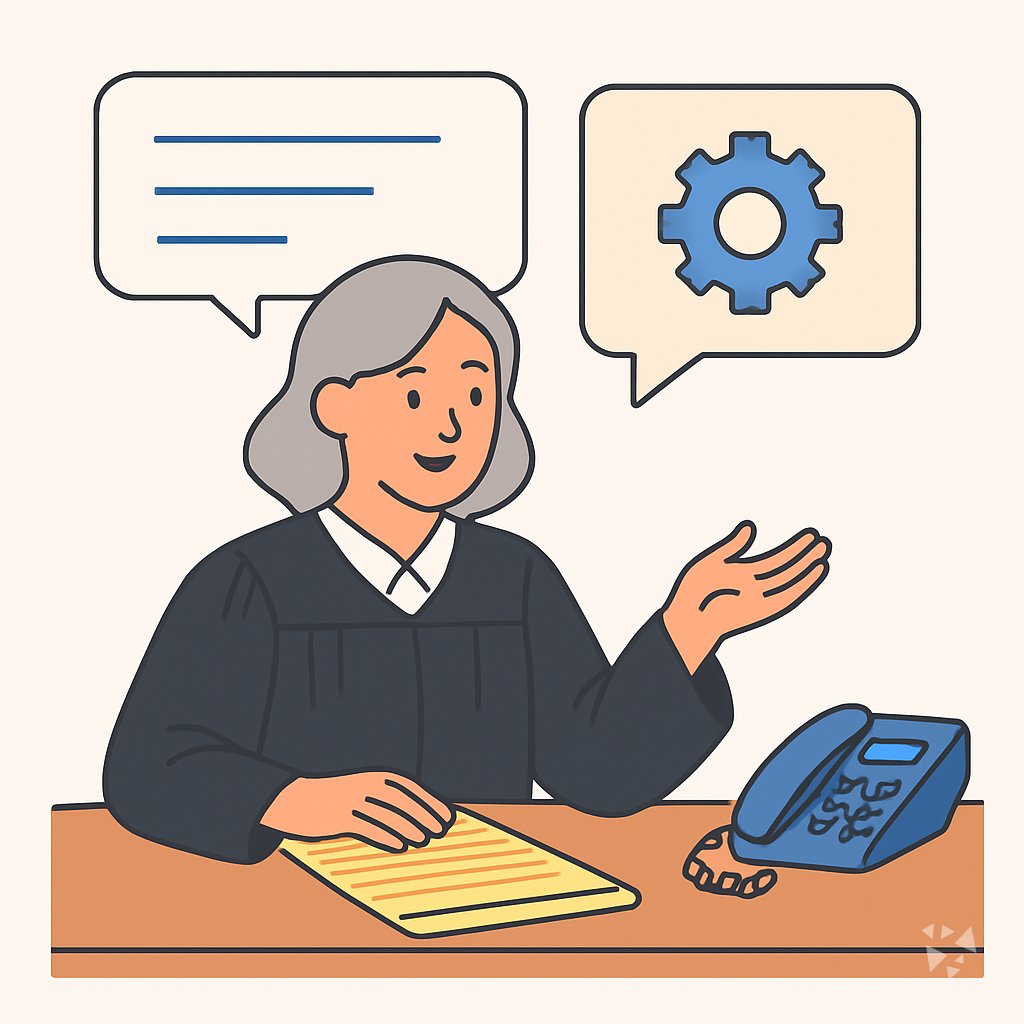
A day in the life of a Judge: what changes with these prompts.
Track progress as a memberPriya, a district court judge with a crowded docket.
Priya is a district court judge. On Wednesday morning she has a motion hearing at 9:30, a jury trial starting after lunch, and a sentencing at 4:00. Her bench memo is half finished, and two motions arrived late yesterday.
She opens Claude and uses the legal research prompt to sort the competing standards on a suppression issue. She asks for a short list of cases and the points where courts disagree. Then she uses the motion review prompt to summarize the two late motions and pull out the facts each side agrees on.
Before lunch, Priya uses the jury instructions prompt to draft a plain-language version of a causation instruction for the trial. She asks for two versions, one shorter and one with an example, then edits both to fit her jurisdiction. At 3:30, she uses the sentencing prompt to organize the factors in the sentencing memo and draft a short statement she can review.
With the time she wins back, Priya walks to the courtroom early, speaks with the clerk about seating, and reads the victim impact letter without rushing. She leaves at 5:15 instead of 7:00 and stops at the market on the way home.
Before
- Motions pile up faster than she can read.
- Bench memos wait until the last minute.
- Lunch is a stack of papers and cold coffee.
- The day ends with a tired drive home.
After this course
- Motions come with a clear summary.
- Bench memos start before the rush.
- Lunch includes a short walk outside.
- The day ends with time for family.
What you'll learn
- Legal Research and Standards: Use AI to understand legal issues, standards, and conflicting cases before you research further.
- Drafting Court Orders: Draft, check, and simplify routine court orders so they are clear and consistent.
- Jury Instructions and Prep: Draft and simplify jury instructions and prepare voir dire questions for trial.
- Motion and Brief Review: Summarize motions, outline briefs, and pull out key facts before you rule.
- Hearing and Bench Preparation: Prepare bench memos, hearing questions, and time plans so you walk into court ready.
- Sentencing and Disposition: Organize sentencing factors, draft a sentencing statement, and check the final order for errors.
- Mediation and Settlement Conferences: Prepare settlement conference agendas, mediation summaries, and explanations of settlement options.
- Complex Cases and Communication: Map complex case issues, stress-test your draft ruling, and draft procedure memos or plain-language explanations.
How this course works
- 9 lessonsOne task of your job each, from legal research and standards to court administration and communication.
- Ready-to-paste promptsCopy, fill in the parts in {{brackets}}, paste into ChatGPT, Claude or Gemini.
- Tick and completeTick the prompts you tried and mark each lesson complete.
- Get certifiedFinish and keep the prompts as your own library.