AI tool
Dog Translator SuperTranslator
Dog Translator SuperTranslator is a research-based tool that translates dog vocalizations and behaviors into basic human language. It is built for pet owners who want a science-backed way to interpret what their dog is communicating.
About Dog Translator SuperTranslator
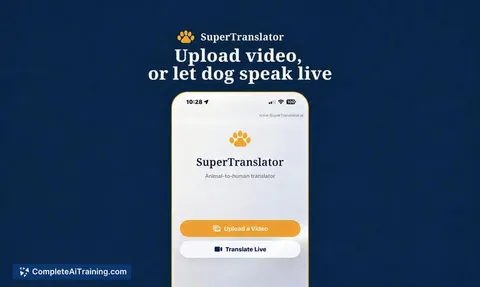
Dog Translator SuperTranslator is an AI tool that analyzes a dog's body language, vocalizations, and environmental interactions to produce an English-language interpretation of what the dog might be communicating. The system draws from 100,000 scientific studies and combines machine learning, behavioral science research, and input from a Stanford linguistics professor. The makers describe the current translation as "very basic, but real" and note the model was validated against known owner interpretations during development.
Review
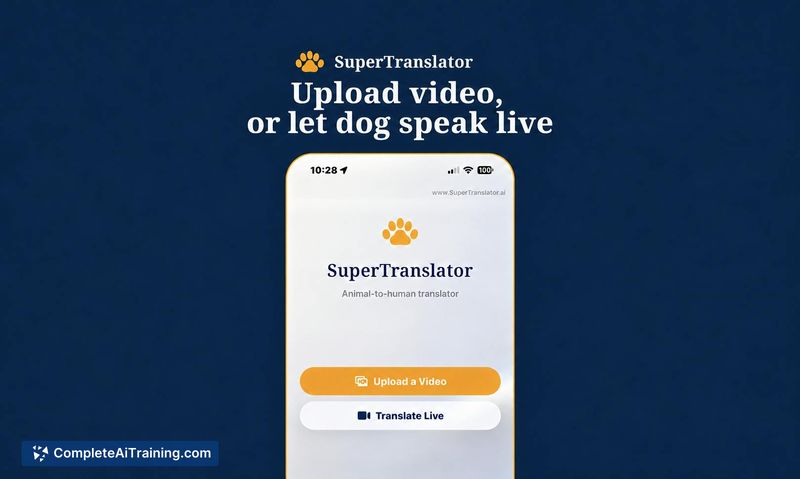
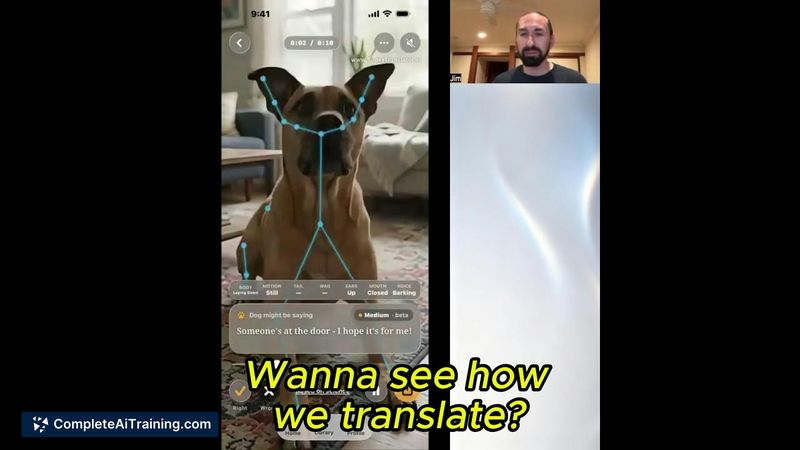
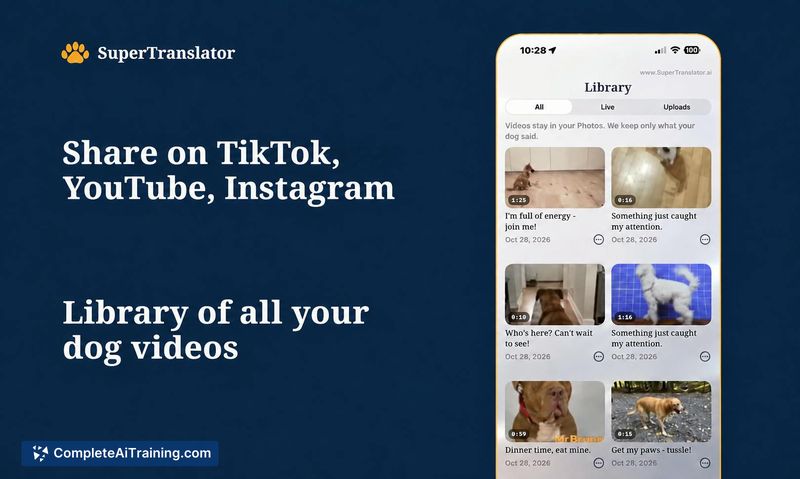
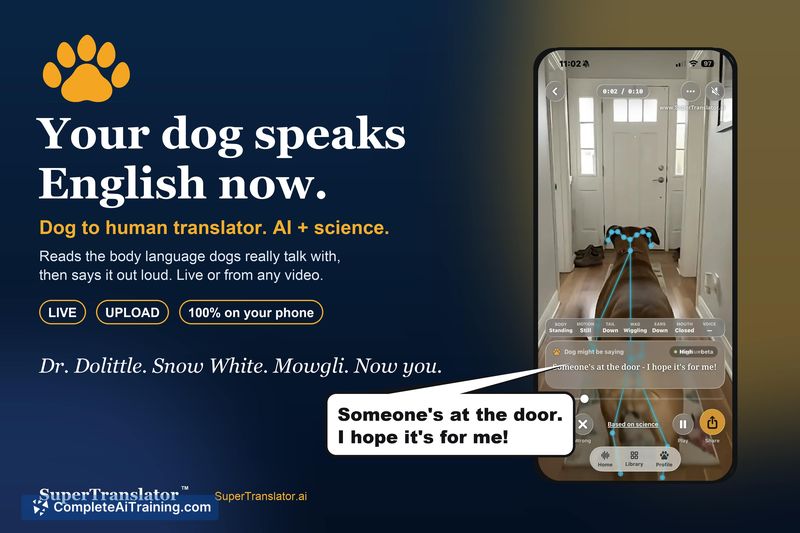
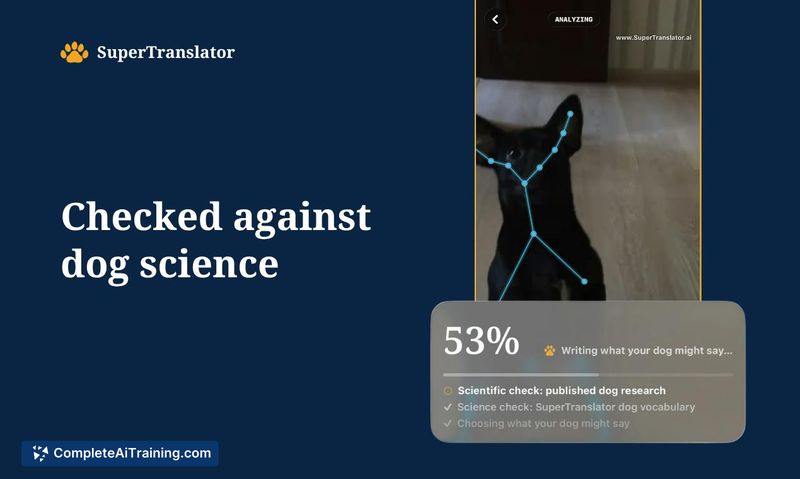
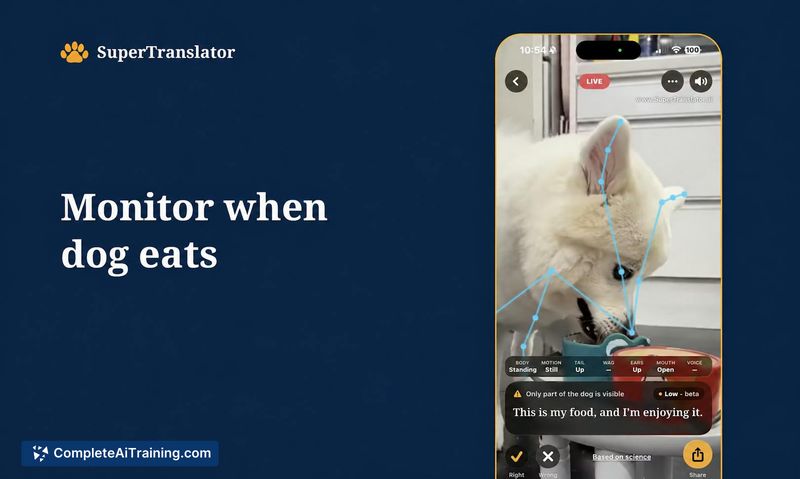
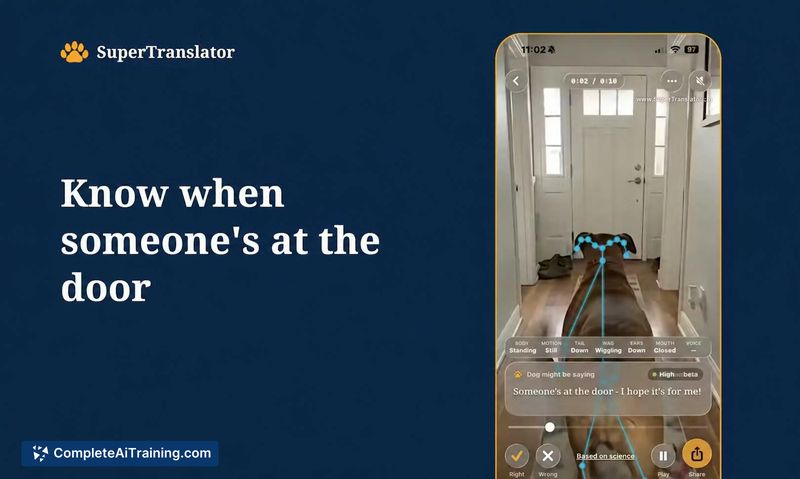
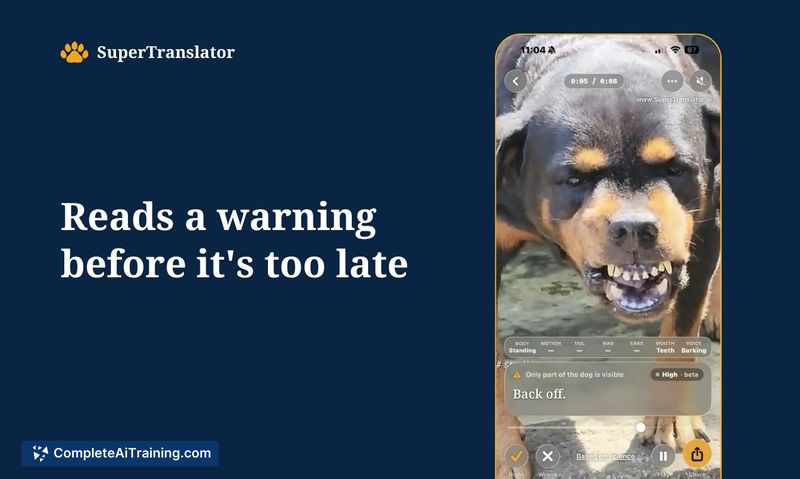

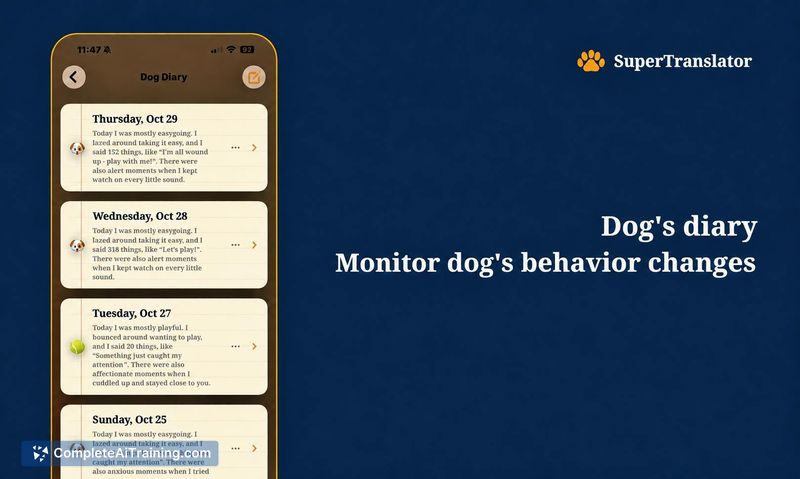
SuperTranslator launched this week after 11 years of research, arriving at a moment when the underlying AI technology has caught up to the team's original concept. The tool doesn't simply convert barks into random phrases-it processes multiple behavioral signals simultaneously to form a composite reading. The creators are upfront about the system's early stage, stating it's "somewhat better than random" and primarily surfaces what an attentive owner might already notice.
Key Features
- Multi-signal analysis that examines ears, tail, mouth, and surrounding context in parallel rather than relying on a single cue like a bark or growl.
- Confidence scoring generated through machine learning extraction of behavioral signals, independent of any large language model output.
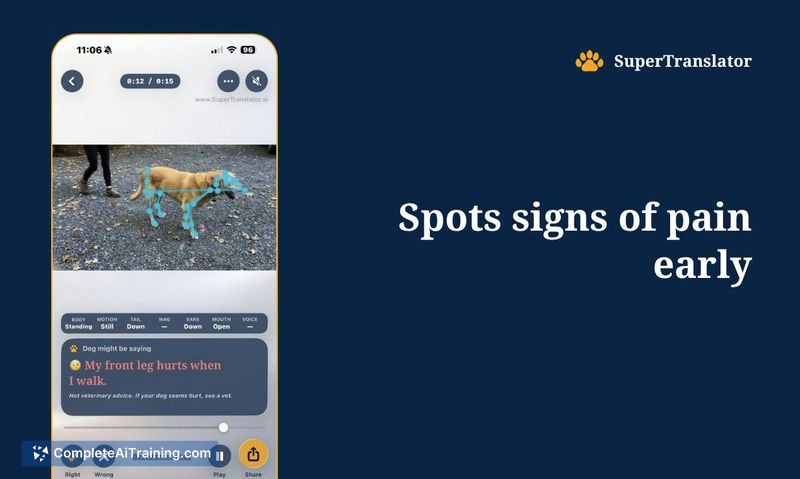
- Pain detection capability that flags potential discomfort from visual and auditory clues, with a disclaimer prompting users to consult a veterinarian.
- Dual interpretation modes: one that formats a scene for an LLM to describe from the dog's perspective, and another using a simplified table from the team's language expert combined with programmed logic.
- Translation grounded in peer-reviewed scientific articles rather than anecdotal or crowd-sourced data.
Pricing and Value
The tool is listed as free at launch. No subscription tiers, in-app purchases, or future pricing structure have been announced by the team. Given the early-stage nature of the product, the current cost-or lack thereof-reflects a period where the makers are gathering feedback and refining accuracy.
Pros
- The team communicates transparently about limitations, acknowledging the system is in its infancy and often confirms what is already obvious.
- Relies on peer-reviewed behavioral science research rather than guesswork or purely LLM-generated interpretations.
- Processes multiple behavioral signals at once, which aligns with how dogs actually communicate-rarely through a single, one-dimensional cue.
- Includes a built-in veterinary disclaimer on pain-related translations, which tempers the risk of owners relying on the app for medical diagnosis.
- Available for free during this initial release phase, lowering the barrier for curious dog owners to test it.
Cons
- Translation output is currently basic and often states what an experienced dog owner would already recognize, limiting its immediate utility for those familiar with canine behavior.
- Accuracy metrics are tied to a development process where discrepancies with owner interpretations were treated as bugs, which means the 100% match claim reflects internal debugging rather than independent third-party validation.
- The tool is not well suited for users seeking deep or non-obvious insights about their dog's emotional state; the roadmap includes subtler cues like what a dog wants, but those capabilities are not yet available.
SuperTranslator fits dog owners who are curious about AI-driven behavior interpretation and comfortable with a tool that's openly in its early stages. It may also hold interest for new pet owners who haven't yet learned to read common body language signals on their own. For those expecting nuanced emotional translation or bidirectional communication-telling a dog to stop running out the door, for instance-the current feature set and the team's own comments suggest that's still on the horizon.