AI tool
Koed
Koed gives each coding project a custom assistant, called a Kin, that remembers your project's history and decisions. It provides context-aware guidance to coding agents like Claude Code and Codex, and is free, open source, and runs on your own de...

About Koed
Koed is an open-source desktop tool that gives each coding project its own Kin, a customisable assistant that captures and reasons over project history. It records agent conversations, decisions, and past attempts, then supplies relevant context to coding agents like Claude Code, Codex, and Pi. The software runs on-device, requires no account, and is available now for solo developers.
Review



Koed tackles a practical problem: coding agents forget what happened last session. Instead of re-explaining your codebase or correcting repeated mistakes, you let a project-specific Kin retain that context. The tool hooks into your existing agent subscriptions and feeds them guidance grounded in what you've already tried, which the makers claim cuts token usage and coding time in their benchmarks.
Key Features
- Project-specific Kins. Each coding project gets its own assistant that remembers work preferences, prior decisions, and what didn't work. The Kin reasons over captured context to decide what's relevant for the current task.
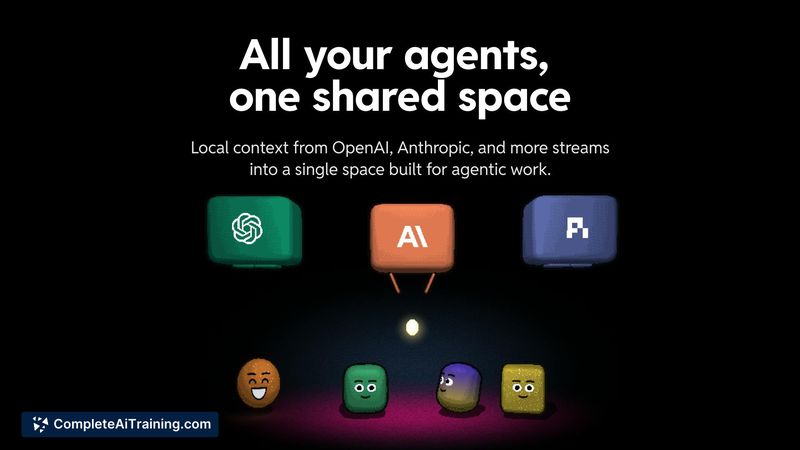
- Multi-agent context sharing. Context captured from one coding agent can be supplied to another. Switching between Claude Code and Codex doesn't require re-explaining the project's history.
- Automatic conversation hooks. Hooks capture agent conversations, including small details, and store them in the Koed desktop app. Users can view and query all ingested conversations.
- Local, account-free operation. Ingested conversations and context stay on a device the user controls. No account creation is needed to use the tool.
- Open-source codebase. The full source is available, allowing inspection and modification of how data is processed and stored.
Pricing and Value
Koed is free and open source. Users bring their own subscriptions for the coding agents Koed supports; the tool itself doesn't add a separate paid tier. The makers have not announced any future pricing model, though they mention optional cloud processing and team sharing as planned additions that could eventually change the cost structure.
Pros
- Runs entirely on-device, so project context never leaves a machine the user doesn't control.
- Works with multiple coding agents without locking users into a single ecosystem.
- Open-source license allows auditing and community contributions.
- No account setup or subscription for the tool itself.
- Benchmarks show a 52% reduction in coding time and 69% fewer tokens used on Terminal-Bench tasks when relevant memory is available.
Cons
- Currently limited to solo developers; team sharing and cloud processing are still on the roadmap.
- Support is confined to Claude Code, Codex, and Pi right now, with more integrations promised but not yet shipped.
- Not well suited for developers who rarely switch between coding agents or who already maintain detailed project documentation that their agent reads reliably.
Koed fits solo developers who move between Claude Code and Codex and want a persistent project memory without manual markdown files. It's less relevant if you stick to a single agent and already have a CLAUDE.md or similar file that covers your needs. The on-device design and lack of accounts keep setup simple, but teams will need to wait for the planned sharing features before Koed becomes useful in collaborative workflows.