
AI news ·
AI Content Tools in 2025 Will Human Writers Thrive or Be Replaced
In 2025, AI tools assist with drafting and SEO but lack original insight and emotional depth. Human writers remain vital for creativity, accuracy, and ethical content.
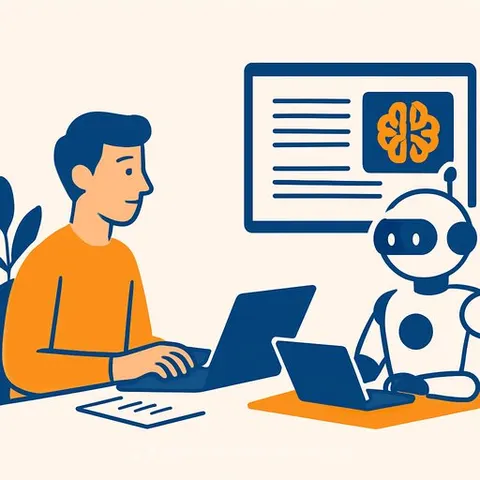
AI Content Tools: Are They Replacing Human Writers in 2025?
Introduction
In 2025, AI is no longer just part of content creation — it’s deeply integrated. Tools like ChatGPT, Jasper, and Copy.ai are common in marketing, editorial teams, and classrooms. But does this mean human writers are on their way out? Let’s examine what AI content tools can do, where they fall short, and what this means for writers now and ahead.
What AI Content Tools Can Do in 2025
AI writing tools have come a long way from simple autocomplete. Today, they can:
- Produce high-quality first drafts for blogs, social media, ads, and emails.
- Repurpose content across different formats, such as turning blog posts into LinkedIn carousels or YouTube scripts.
- Support SEO by suggesting keywords, headers, and meta descriptions optimized for search engines.
- Help with language translation and adjusting tone for various audiences.
Thanks to models trained on immense data, AI tools often deliver content that is factually sound, well-structured, and polished enough for many digital needs.
Where AI Tools Struggle
Despite their strengths, AI content tools are not full replacements for human writers — at least not yet. They face challenges with:
- Original Thought and Insight: AI remixes existing information well but struggles to create truly new ideas or perspectives.
- Emotional Depth and Nuance: Human storytelling depends on empathy, cultural context, and subtlety, which AI often misses, resulting in flat or generic outputs.
- Fact-Checking in Real Time: AI can sometimes “hallucinate” facts, so human oversight is necessary to ensure accuracy and trustworthiness.
- Ethical Considerations: Without human input, AI content risks bias, plagiarism, or mishandling sensitive topics.
AI + Human Writers: The Winning Formula
Instead of replacing writers, AI tools are becoming collaborators. They help with:
- Idea Generation: Assisting writers with brainstorming headlines, outlines, and creative angles.
- Efficiency Boost: Speeding up first drafts and repetitive tasks like product descriptions and meta tags.
- Consistency: Maintaining tone and style across large volumes of content.
- Localization: Adapting content for different languages and regions, with humans ensuring cultural appropriateness.
AI handles the groundwork; humans add creativity, strategy, and emotional connection.
Real-World Examples of AI-Human Collaboration
- Marketing Teams: AI drafts blogs, ads, and emails, while editors refine for brand voice and originality.
- Newsrooms: AI generates routine reports like financial updates or sports recaps, leaving journalists free to focus on investigative pieces.
- SEO Agencies: AI produces outlines and keyword-rich content, with strategists aligning efforts to audience needs.
What This Means for Writers in 2025
Writers aren’t disappearing; they’re shifting roles. In 2025, they become content strategists, editors, and creative leads for AI-assisted work. Key skills include:
- Proficiency with AI tools and effective prompting.
- Strong critical thinking and fact-checking abilities.
- Creativity and storytelling expertise.
- Ethical awareness and cultural sensitivity.
Those who work alongside AI find new ways to create better content, faster.
Final Thoughts: AI Won’t Replace Writers, But Writers Using AI Will
AI content tools enhance what writers can do rather than replace them. The best results come from teaming up — letting AI handle routine tasks while humans provide originality and empathy that machines can’t match.