
AI news ·
AI Could Be the Key to Reviving Global Human Development, UN Study Finds
Human development progress has slowed, risking greater inequality. The UN report finds AI offers hope by boosting productivity and creating new opportunities globally.
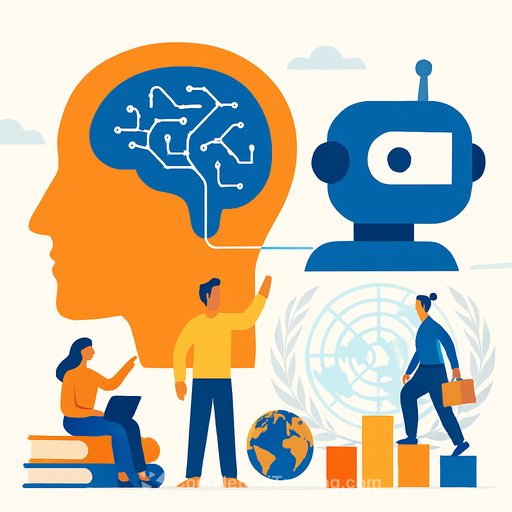
Human Development Slows, but AI Offers a Path Forward: UN Study
Global progress on human development has stalled, threatening to widen inequality and delay key milestones. However, a new UN Development Programme (UNDP) report suggests artificial intelligence (AI) could be the tool to reverse this trend.
The 2025 Human Development Report, titled A matter of choice: People and possibilities in the age of artificial intelligence, shows the slowest rise in the Human Development Index (HDI) since 1990. The HDI measures health, education, and income achievements worldwide.
Despite recovering from shocks like the COVID-19 pandemic, progress has weakened across all regions. Factors such as increased trade tensions, rising debt, and automation without job creation threaten to deepen the slowdown.
UNDP Administrator Achim Steiner warns, “If 2024’s sluggish progress becomes ‘the new normal,’ the 2030 goal for very high human development could be delayed by decades, increasing global division and vulnerability.”
Positive Public Sentiment Around AI
The report highlights public attitudes toward AI as largely optimistic. Around 60% of respondents expect AI to positively impact their jobs, with many seeing it as a tool to boost productivity or create new employment opportunities.
- 50% believe their jobs could be automated.
- 60% expect AI to improve their employment prospects.
- 64% feel AI will make them more productive at work.
- Only 13% fear AI may cause job losses.
In lower and medium HDI countries, optimism is even higher: 70% anticipate increased productivity through AI, and two-thirds foresee using AI in education, health, or work within the next year.
Focusing on a Human-Centered Approach to AI
The report stresses that AI should augment human intelligence instead of replacing it. AI systems cannot independently define problems; humans design algorithms, set their purposes, and provide the data they learn from.
This human-led approach is essential to prevent misconceptions about AI autonomy. It also ensures AI supports human decision-making and creativity rather than fully substituting it.
Addressing Inequality Through AI Access
For AI to narrow inequality gaps, the report points to the need for universal access to electricity and the internet. Without these, large portions of the population risk being excluded from AI’s benefits.
Effective policies will be critical to maximize how AI complements human work and learning. With the right choices, AI can become a catalyst for new knowledge, skills, and opportunities across sectors.
Pedro Conceição, Director of UNDP’s Human Development Report Office, states: “The decisions we make now will define AI’s legacy for human development. Properly guided, AI can empower everyone—from farmers to entrepreneurs.”
Survey Details
The UNDP surveyed over 21,000 people across 21 countries, in 36 languages, representing 63% of the global population. This broad input provides a valuable snapshot of global perceptions on AI’s role in future development.
For IT and development professionals interested in how AI can practically support human progress and economic growth, following these insights can help shape impactful strategies.
To explore AI training and courses that align with these emerging needs, consider visiting Complete AI Training for up-to-date resources.