
AI news ·
AI's Transformative Promise in Local Government Faces Cautious Reality Check
AI could streamline local government by automating tasks and improving resource management. However, challenges like data privacy and staff training mean full adoption is still distant.
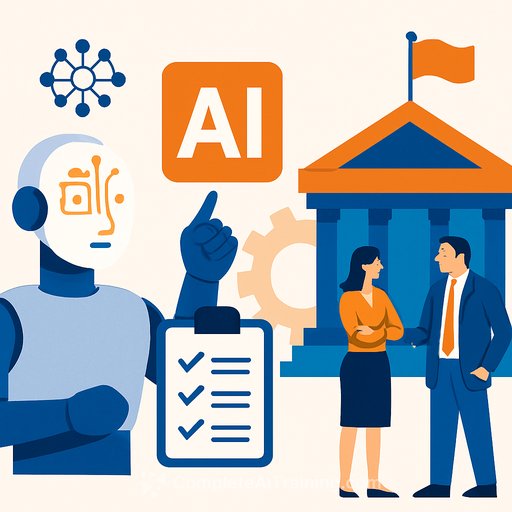
AI’s Transformative Potential in Local Government: Progress and Caution
Artificial intelligence (AI) is poised to reshape local government operations, offering tools that could simplify processes and improve responsiveness. A recent report highlights AI’s potential to help councils move away from a model often described as bureaucratic, labour-intensive, and unresponsive to community needs.
By adopting AI-driven solutions, local authorities could streamline decision-making, automate routine tasks, and better allocate resources. This shift might support more effective public service delivery, reducing administrative burdens and allowing staff to focus on strategic priorities.
A Human Perspective vs. AI’s Own View
While the report projects a near future where AI significantly impacts local government, the AI system itself advises caution. ChatGPT, an advanced AI language model, suggests there is still a "long way to go" before these transformative changes become fully realized.
This balanced stance is critical. It reminds policymakers and government officials that while the promise of AI is considerable, practical challenges remain. These include integration with existing systems, data privacy, ethical considerations, and the need for staff training.
What Could Change in Local Government?
- Reduction of bureaucratic hurdles through automation of routine processes.
- Improved responsiveness to public needs via data-driven insights.
- More efficient resource management and allocation.
- Enhanced collaboration through cooperative AI platforms focused on innovation.
For local government professionals, these developments suggest a future where AI supports smarter governance. However, to achieve this, investment in skills development and careful implementation strategies will be essential.
Preparing for AI Adoption
Councils considering AI integration should focus on scaling efficiencies and ensuring staff are equipped to work alongside AI tools. Practical training courses and certifications can help public sector teams build necessary competencies.
Resources like Complete AI Training’s courses by job role offer targeted learning paths that can assist government professionals in adapting to AI technologies effectively.
Looking Ahead
The path to AI-enhanced local government involves navigating technical, ethical, and operational hurdles. While AI promises to ease workload pressures and improve service delivery, it is clear from both human analysis and AI self-assessment that significant development remains before full transformation occurs.
Stakeholders should maintain a pragmatic approach—balancing optimism with realism—while prioritizing governance, transparency, and staff readiness as AI becomes more embedded in public administration.