
AI news ·
Amazon blocks Meta's AI shopping assistant Muse from its platform
Amazon blocked Meta's AI shopping assistant Muse from its marketplace 12 hours ago, cutting off access to the world's largest e-commerce platform to protect its own Rufus assistant and customer data.
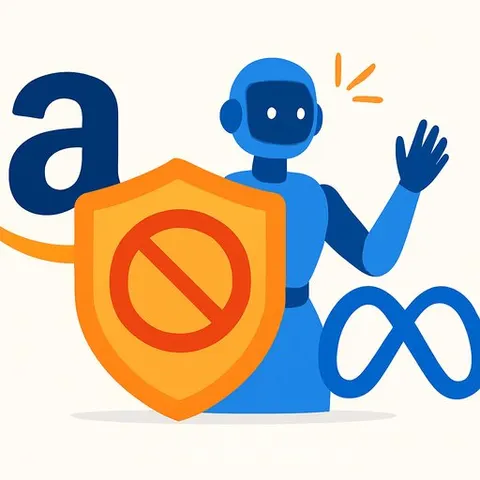
Amazon blocked Meta's AI shopping assistant Muse from its marketplace 12 hours ago, cutting off the tool's access to the world's largest e-commerce platform. The move protects Amazon's customer data and its own conversational shopping assistant, Rufus, as Meta pushes to turn social media engagement into direct purchases.
What Muse does and why Amazon acted
Muse operates inside Meta's social platforms, using artificial intelligence to deliver personalized product recommendations. The feature aims to shorten the path from discovering a product to buying it - all without leaving Meta's ecosystem. For Amazon, that represents a direct threat. The company has invested heavily in Rufus, its own AI shopping assistant, and stands to lose transaction data and consumer attention if an outside tool intercepts the shopping journey.
Sources familiar with the matter described the block as a strategic defensive measure. Amazon did not issue a public statement, but the speed of the action - just hours after Muse's activity was detected - signals how closely the company monitors third-party AI behavior on its platform.
The collision of social media and e-commerce
Meta's bet on Muse reflects a broader shift. Social platforms are no longer just advertising channels; they are becoming storefronts. By embedding purchase capabilities directly into feeds and messages, companies like Meta hope to capture revenue that currently flows to dedicated retailers. Amazon's exclusion of Muse is a reminder that incumbent platforms will defend their turf aggressively.
Industry analysts said the conflict highlights growing friction as AI tools cross traditional platform boundaries. The block may also serve as a warning to other tech firms considering similar integrations. For professionals in marketing, sales, and customer support, the episode illustrates how quickly the rules of digital commerce are being rewritten - not by regulation, but by platform gatekeeping.
What Meta's options look like
Meta has not yet responded publicly. The company could pursue workarounds, including partnerships with third-party retailers or strengthening its in-app payment systems to reduce reliance on external marketplaces. These alternatives would let Meta continue developing Muse's recommendation engine without needing Amazon's cooperation.
The standoff also raises questions about data access. AI shopping tools depend on product catalogs, pricing information, and purchase histories to function. When one platform controls that data and another wants to use it, the result is the kind of blockade Amazon just imposed.
Why this matters for customer support, hospitality, marketing, PR, communications, and sales professionals
When Amazon blocks an AI tool from a competitor, it reshapes the environment where your customers discover and buy products. Marketing and sales teams running campaigns on Meta's platforms need to watch whether Muse - or tools like it - loses functionality or shifts to different retail partners. Customer support and hospitality professionals should prepare for confusion if shoppers encounter recommendations that lead to dead ends or unavailable products. PR and communications leads at any company selling through Amazon or advertising on Meta now have a concrete case study in how platform conflicts can disrupt the customer experience overnight.