
AI news ·
Authentic Intelligence in the Age of AI: Preserving Originality Amidst Machine Mastery
AI blurs the line between human and machine writing, making authenticity more vital. Embracing personal voice and imperfection keeps originality alive amid AI’s rise.
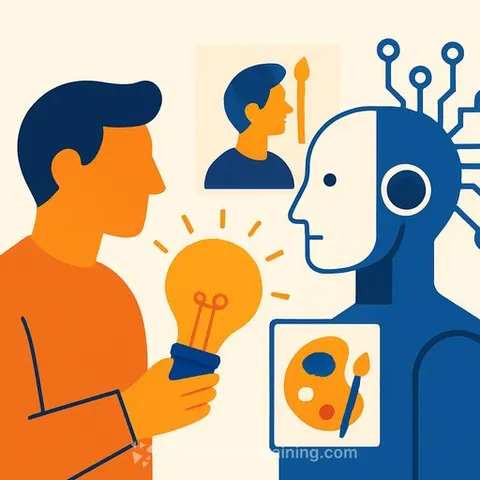
Authentic Intelligence Rises with AI
Artificial intelligence is advancing quickly, mastering human thought processes and even moving beyond them. This creates a challenge: distinguishing AI-generated content from human originality is becoming harder. In this environment, authenticity and genuine originality are more valuable than ever.
After decades of writing in the third person, there’s a growing case for embracing the subjective, first-person voice. Early lessons in writing taught the importance of clarity, word choice, and precision—skills that machines now replicate with ease. The difference lies in the human touch: imperfection, personality, and personal insight.
Lessons from Language and Writing
Some fundamental writing rules are easy to forget but crucial for clear communication. Distinctions like “principal” versus “principle,” or the difference between “compliment” and “complement,” matter. Even small details like apostrophes in “it’s” versus “its” can change meaning. These nuances keep writing fluid and engaging, something AI can mimic but not truly embody.
AI can handle grammar and syntax flawlessly, but it often lacks the quirks and flaws that make writing uniquely human. Perfection is not always the goal; originality often comes with rough edges that require polishing, a process that AI struggles to replicate authentically.
The AI Advantage and Its Limits
AI tools, like ChatGPT and Claude, offer remarkable assistance. They refine phrasing, improve flow, and add perspectives that writers might overlook. However, over-reliance on AI risks losing individual ownership of content. When AI seeks perfection, it can erase the raw originality that defines personal writing.
AI is everywhere—in smartphones, cars, streaming services, and more. It’s a constant presence, quietly supporting daily tasks. Yet, it's wise to maintain a balance. Using AI as a tool rather than a crutch keeps the brain active and creativity alive. Just as calculators help with math but don’t replace mental calculation, AI should assist without dominating the creative process.
Writing in the Age of AI
Writers today face a paradox: AI's rise threatens to blur the lines between human and machine output, yet it pushes us to value authenticity more. Writing with a personal voice and embracing imperfection may be the best defense against losing originality.
AI can also be a powerful learning aid, offering access to vast information and new perspectives. Engaging with AI-generated content critically and selectively can expand a writer’s toolkit without compromising individuality.
For writers looking to sharpen skills and explore AI responsibly, there are curated courses and resources available. For example, Complete AI Training offers practical AI courses designed to integrate technology without sacrificing authentic human creativity.
Conclusion
The challenge for writers is clear: embrace AI's capabilities without surrendering the unique voice that defines authentic writing. Originality is not about perfection but about expression—warts and all. In this evolving landscape, authenticity will remain the most prized asset.