
AI news ·
Bette Midler and Tyrese Gibson feud over AI-generated song she calls cultural genocide
Bette Midler and Tyrese Gibson are feuding over AI-generated track "Celebrate Me," which has 23 million Spotify streams, with Midler calling the tech "cultural genocide." The song, made via Suno, pits artists over unpaid training data and the future of human-created art.
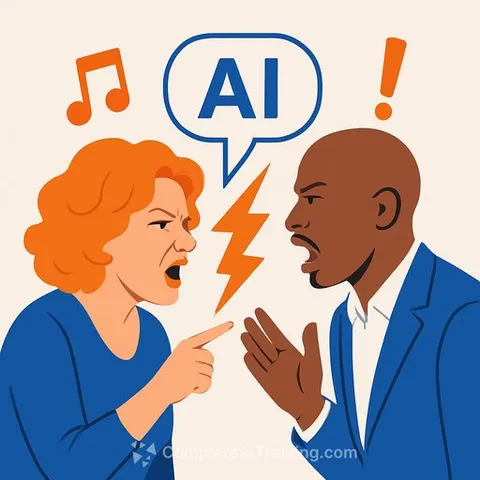
Bette Midler and Tyrese Gibson are publicly feuding over an AI-generated song that has cracked the iTunes charts, with Midler calling the technology behind it "cultural genocide" and Gibson defending it as a source of hope for listeners.
The dispute centers on "Celebrate Me," a track by IngaRose that has drawn over 23 million streams on Spotify and more than 1.1 million monthly listeners. The song was created using the AI platform Suno, which generates music based on text prompts.
Midler posted an impassioned Instagram message denouncing the track, which was featured as the post's audio. She acknowledged the song's quality but argued its creation came at the expense of human artists.
"It's a good song," Midler wrote, "created and sung by a machine that stole every lick, every riff, every thought, phrasing style, every choke in the voice, every sorrowful sound from thousands of human artists since the beginning of recorded music, with zero compensation for the artists on whom they trained the machine."
She added: "This is #culturalgenocide."
Tyrese pushes back
Gibson, known for his role in the Fast & Furious franchise, responded with a lengthy comment defending the track while criticizing human songwriters. He acknowledged the song's synthetic origin but argued that its emotional resonance matters more than how it was made.
"So many are so many depressed, divorced, and discouraged," he wrote. "This song has inspired even ME!!!!!! The last song that inspired me from a real artist that was ON MESSAGE was AUDRA DAY!!!"
Gibson continued: "What HUMAN writer and SINGER IS gonna write a song that's better than this?? Don't complain…. Just step your shhhhhhhh up…." He concluded, "The world needs HOPE….."
Other artists sided with Midler in the comments. Natasha Bedingfield said the track "sounds like a lot of" Olivia Dean's "voice was used" in its creation, calling it "So wrong." India Arie wrote, "its on the CHARTS😮 ugh," and Amy Sedaris added, "Yuck."
What the "artist" says
IngaRose's Spotify bio describes the project as a "songwriter and human creator who writes from real life, real emotions, and lived experience." It says she uses Suno "as a creative tool to help bring her original songs to life," describing the project as a neo-soul storyteller that "transforms heartbreak, faith, healing, and personal growth into music that feels deeply personal and authentic."
The Instagram page also claims "Human written lyrics" and "Real stories" with "Stems & arrangement refined using Suno," alongside AI-generated imagery.
Entertainment Weekly reached out to representatives for Midler, Gibson, Suno, and IngaRose for comment.
Why this matters for writers
This argument isn't just about one song. It's the most visible example yet of AI tools trained on existing work producing commercially successful art without compensating the humans whose work made the training possible.
For writers, the stakes are the same. The same logic that lets Suno train on copyrighted music and chart a hit lets large language models absorb published work and produce competitive output. The question of who gets paid - and whether "human-written" even remains a meaningful label - is being settled in public, one viral song at a time.
For professionals who make a living from words, the lesson is to watch how this resolves. The music industry's fight over AI training data and compensation is a test case for every other creative field. If songwriters lose the right to opt out of AI training, long-form writers, editors, and journalists should expect the same argument to be used against them. Understanding how these tools work, and what artists like Midler are pushing back against, is the first step in deciding whether to resist or adapt.