
AI news ·
Beyond Experimentation: Scaling AI for Transformative Business Impact in Indian Enterprises
India’s AI drive combines tech, skills, and workforce engagement to scale AI from pilots to enterprise-wide impact. Strategic alignment and change management are key.
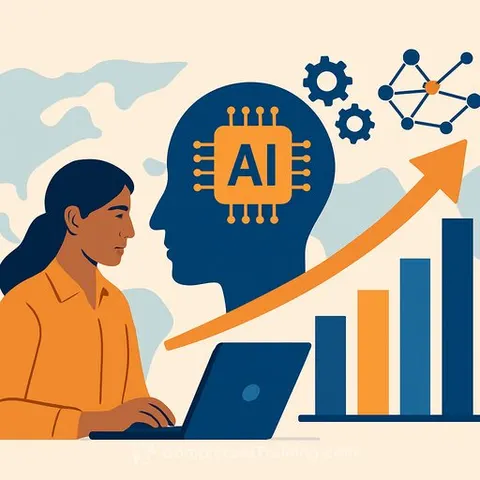
Beyond experimentation: How enterprises can scale AI for real business impact
India’s AI focus
Over the past year, India has taken significant steps to build an AI ecosystem that supports affordable access to computing resources and advanced research. The IndiaAI Mission, launched in 2024, has allocated more than USD 1.1 billion over five years to strengthen the country’s AI capabilities. This includes establishing AI centres of excellence in key sectors like agriculture and healthcare, as well as AI accelerators that provide startups with mentorship and infrastructure.
Efforts to develop future-ready AI skills are also underway through dedicated skilling centres aimed at equipping the youth. The momentum is visible beyond government initiatives—59% of large Indian enterprises with over 1,000 employees have already integrated AI into their operations. Use cases span from AI-powered precision farming in agriculture to predictive maintenance in manufacturing and route optimisation in logistics.
Not just a tech revolution
India’s large tech workforce positions it well for AI adoption, but success won’t come from technology and skills alone. Research shows that workforce engagement and operating model changes are critical to AI success. Organisations that actively involve employees in AI decisions and invest in change management and training see better results.
Many successful AI projects require deep changes to operating models or data architectures. This means businesses must be willing to transform how they operate to stay competitive. While experimentation with AI is common, moving from isolated pilots to enterprise-wide adoption that delivers measurable value remains a challenge. Achieving this demands a strategic approach where AI becomes central to operations, supported by changes in employee engagement and business processes.
How organisations can scale AI
AI projects often start opportunistically but scaling them requires clear alignment with business goals. Linking AI initiatives to specific outcomes helps realise tangible value. Executive sponsorship is crucial to maintain strategic alignment and ongoing leadership support.
Establishing a responsible AI task force ensures oversight of data governance, ethics, and compliance, reducing risks and maintaining trust in AI systems. Creating an AI foundry encourages innovation within defined guidelines. Adopting a product-centric model where teams are accountable for project outcomes fosters agility and continuous improvement.
Cross-functional collaboration between AI teams and business units helps identify the most impactful use cases, reducing trial and error and accelerating deployment. Employee engagement plays a key role—ongoing training, clear communication about AI’s impact on jobs, and structured change management drive adoption and maximise value.
By shifting focus from experimentation to execution and scaling, enterprises in India can leverage their AI investments and talent to achieve operational efficiencies, competitive advantages, and lasting transformation. Those who implement these changes won’t just use AI—they will reshape how business gets done.