
AI news ·
Can AI Destroy the Community Spirit That Makes Fan Fiction Thrive?
Fan fiction thrives on community and shared creativity, but AI-generated content raises concerns about trust, credit, and the future of these collaborative spaces. Writers worry AI may fragment and diminish fanfic culture.
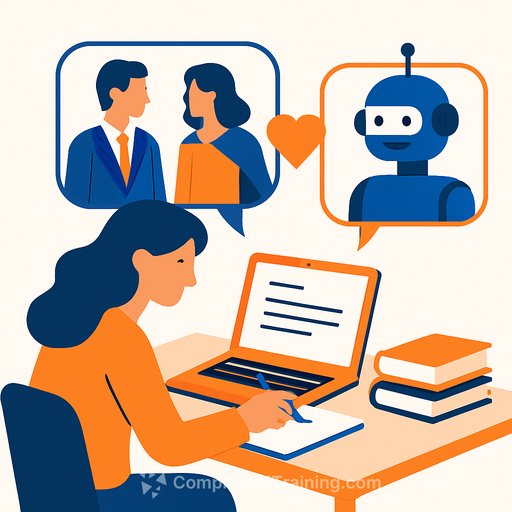
Fan Fiction Is About Community. Could AI Ruin That?
Fan fiction thrives on community. It’s a space where writers and readers come together to share stories that fill gaps, rewrite endings, or explore new angles on beloved characters. But the rise of AI-generated content is raising concerns about how this unique culture might be affected.
AI’s Impact on Fan Fiction Culture
Sites like Archive of Our Own (AO3), Fanfiction.net, and Wattpad host millions of fan-created stories, often tagged with specific themes like “Omegaverse” or “Alternate Universe.” These tags help readers find exactly what they want. Recently, a new tag is appearing: AI Generated Works.
Public AI models such as ChatGPT have sparked debates about copyright, intellectual property, and content ownership across many creative fields. Fan fiction sits in a tricky spot—it exists in a legal gray area but relies heavily on community ethics like credit and fairness. AI models often use data without clear attribution, which worries fanfic writers whose work might be scraped and repurposed without consent.
The Community’s Response
Fan fiction is built on a “gift economy,” where writers share their time and creativity freely. Credit is the currency here. Plagiarism or uncredited use breaks the trust that holds these communities together.
- Elle S., a 26-year-old fanfic author, discovered her readers were using AI tools to generate new chapters of her stories. This felt unsettling because it bypassed the communal process of creation and sharing.
- Dean S., a 21-year-old writer focused on fandoms like Supernatural and Marvel, sees AI use in fanfic as a misunderstanding of what fandom is about—practice, growth, and shared enthusiasm.
Both highlight that fan fiction isn’t just about the finished story; it’s about the connection between writers and readers, the learning, and the fun of creativity.
Protecting Fan Works From AI Scraping
Many writers are actively trying to keep their work away from AI by restricting access. Some limit their stories to registered users only, while others remove fics entirely from public view. This reaction aims to protect their creative labor but risks fragmenting the community.
Fan fiction often builds on collective ideas and personalities established by previous works. Removing these stories isn’t just losing isolated texts—it’s losing a shared cultural memory. When these fics vanish, it’s difficult to recover or replace them.
What Happens If Fan Fiction Goes Underground?
Keeping fan fiction harder to access may slow AI scraping, but it also limits the community’s growth. New readers may struggle to find stories, and the communal aspect of fanfic—reading, commenting, collaborating—could suffer.
Fan fiction works best when it’s open and social. Writers improve by sharing and receiving feedback, and readers discover new voices by browsing freely. If the content becomes siloed or locked away, the vibrancy of the community is at risk.
Looking Ahead
Neither Elle nor Dean plans to quit writing fan fiction. But both acknowledge that the rise of AI-generated content challenges the core values of the community: connection, creativity, and credit.
Instant AI-generated chapters may offer quick satisfaction, but they lack the personal flair and voice that define fan fiction. AI produces words on a page, but fan fiction is about the people behind those words.
For writers concerned about AI’s growing presence, understanding these dynamics is key. Protecting your work might mean choosing where and how to publish, staying active in your community, and advocating for ethical AI use.
Writers interested in learning more about AI and its impact on creativity can explore specialized courses on ChatGPT and prompt engineering to better understand how these tools work and how to navigate their influence.