
AI news ·
ChatGPT for Healthcare adds Epic integration to access patient medical records
OpenAI's ChatGPT integrated with Epic Systems, giving the AI direct access to 325 million patient health records. Across pilot tests, 99.1% of the AI's responses were deemed safe by physicians.
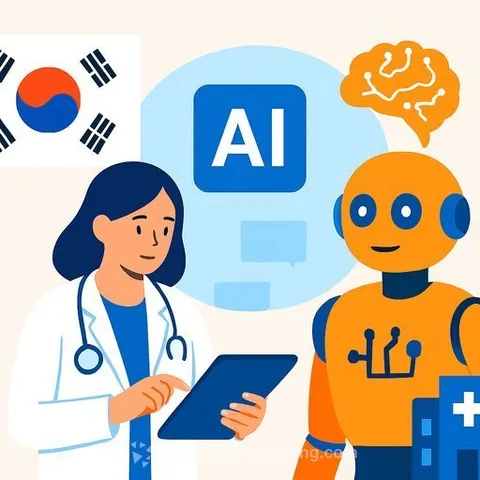
OpenAI's ChatGPT for Healthcare has released an integration with Epic Systems, giving the AI direct access to the electronic health records of 325 million patients. The move connects the country's largest EHR vendor with a large language model at the point of care, letting providers query and summarize patient data without leaving their clinical workflow.
The integration embeds ChatGPT directly into Epic's EHR environment. During a patient encounter, a clinician can use the AI to pull up current prescriptions, medical history, allergies, lab results, and past care documentation. ChatGPT can then summarize that information and assist in developing a care plan while the patient's chart remains open.
"Healthcare organizations need AI that works with the systems and information central to care and operations," OpenAI said in its announcement. "Patient context, medical evidence, public healthcare data and organizational knowledge need to stay in different places. Connecting these sources in a governed workspace helps teams find the right information, understand it in context and put it to work across the business."
A broader data consolidation play
The Epic integration is one piece of a larger strategy. OpenAI also confirmed a new Healthcare Public Data review feature that pulls from government and community databases, including ClinicalTrials.gov, PubMed, and select Centers for Medicare & Medicaid Services records. Providers can use this data to check trial eligibility criteria, medication identifiers, and coverage policy versions against a patient's record.
"ChatGPT for Healthcare already helps teams answer clinical questions and synthesize medical research with trusted clinical search across thousands of medical sources," the company wrote. The goal is to bring medically relevant data from scattered systems into a single governed workspace.
Pilot results at UCSF Health
OpenAI tested the full suite with a limited group of health systems before opening it to all customers. University of California, San Francisco Health was one of the pilot partners.
"As a pilot partner, we're exploring how the new EHR integration with GPT can help clinical teams understand what has changed and what matters most across a complex patient record," said Suresh Gunasekaran, President and CEO at UCSF Health. "By bringing relevant information together more completely, the technology has the potential to reduce time spent synthesizing data and give clinicians more time with."
OpenAI reported that across more than 4,300 responses reviewed by physicians during pilots, 99.1% of the AI's answers were deemed safe. The company has maintained that the technology is not designed to replace human review by a provider.
Why this matters for healthcare professionals
For clinicians and medical records staff, the integration changes how patient data gets surfaced during care. Instead of manually searching across sections of an EHR, providers can ask the AI to summarize relevant history and flag changes. This directly affects roles that manage medical records and clinical documentation-skills that are increasingly intersecting with AI tools. Professionals looking to build competency in this area can explore structured training like AI for Medical Records Clerks or broader AI for Healthcare certifications.
The 99.1% safety rate is high, but the remaining gap means a human must still verify outputs. For healthcare teams, the practical takeaway is that AI can accelerate chart review and data synthesis, but it does not remove the need for clinical judgment.