
AI news ·
Counsel Health joins CMS ACCESS model with Oura wearable integration
Counsel Health entered CMS's ACCESS model, adding Oura ring data to a federal chronic care initiative that pays providers per-member-per-month to coordinate Medicare patients. Heart failure and COPD are among the newly covered conditions where remote monitoring has already cut hospitalization rates.
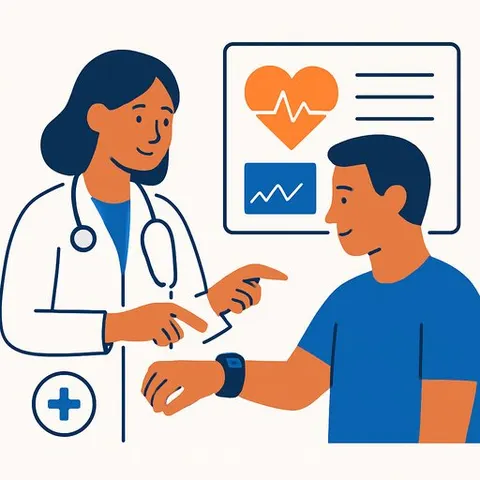
Counsel Health has joined the Centers for Medicare & Medicaid Services (CMS) ACCESS model, bringing Oura's wearable technology into a federal chronic care initiative. The move signals how CMS programs could become testing grounds for AI-driven, wearable-enabled care delivery at scale.
The ACCESS model - which CMS recently expanded to include heart failure, COPD, and other conditions - aims to improve care coordination and outcomes for Medicare beneficiaries with chronic diseases. Counsel Health's participation pairs continuous health data from Oura smart rings with its own clinical AI platform to support remote monitoring and early intervention.
How the model works
Under the ACCESS framework, participating providers receive per-member-per-month payments to coordinate care for eligible patients. The model emphasizes data sharing, care management, and accountability for outcomes. Wearable data has not been a standard component of these programs until now.
Counsel Health integrates Oura's sleep, heart rate, and activity metrics into its clinical workflows. The company's AI analyzes trends and flags deviations that may indicate worsening health - before a patient reports symptoms or schedules a visit.
A proving ground for AI-enabled care
The ACCESS model's structure makes it a natural fit for testing technology that requires longitudinal data and consistent patient engagement. Unlike fee-for-service arrangements, value-based models reward the kind of early detection and prevention that continuous monitoring enables.
CMS has been expanding the conditions covered under ACCESS, most recently adding heart failure and COPD. These are high-cost, high-prevalence diseases where remote monitoring has shown measurable impact on hospitalization rates.
Why this matters for healthcare professionals
For clinicians and care managers, the Counsel-Oura-CMS arrangement previews a future where patient-generated health data feeds directly into clinical decision-making - not as a separate wellness tool, but as an integrated part of reimbursed care. Early experience with these models will shape clinical workflows, documentation requirements, and the evidence base for wearable-based interventions in Medicare populations.