
AI news ·
Florida approves new AI rules for K-12 schools and state colleges
Florida education leaders approved statewide AI rules for K-12 and colleges, requiring local policies that define acceptable use and notify parents. Districts must get parent permission before students interact with AI tools, and colleges default to banning AI on graded work unless instructors...
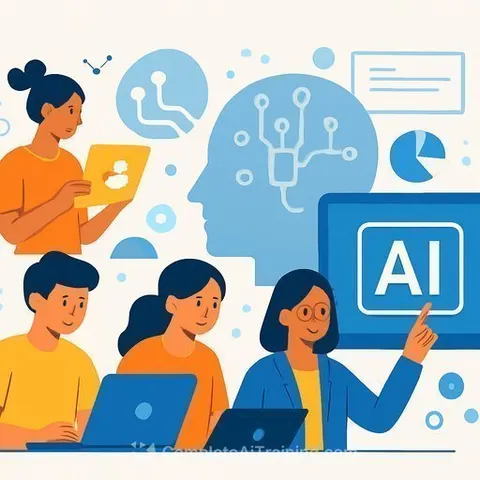
Florida education leaders have approved two sets of rules governing artificial intelligence in classrooms, setting statewide expectations for K-12 schools and state colleges without banning the technology. The State Board of Education's unanimous vote Wednesday requires districts and colleges to create local policies that define acceptable AI use, notify parents, and maintain academic integrity.
"The policies set the guardrails. They don't ban the use of artificial intelligence within the classroom at the K-12 level, but also the colleges," said Florida Commissioner of Education Dr. Henry Mack during the meeting. He compared the approach to how schools historically handled computers and internet access. "We've never banned access to computers in the classroom, we've never banned access to the internet, and likewise we'll never ban access to AI. It's about using it prudently and effectively."
What the K-12 policy requires
School districts must now develop local policies that specify which AI tools can be used and under what conditions. Parents will receive notification when certain AI instructional tools are approved and must give permission before their child directly interacts with those tools. The state expects districts to spend the coming months writing these rules, and Mack encouraged parents to participate in that process alongside superintendents.
State Board of Education member Layla Collins raised concerns about student dependence on AI. "It should be a supplement. It should not replace learning good practices," she said. Mack agreed, describing the goal as complementing learning rather than replacing it.
College policies target academic integrity
Florida's state colleges face parallel requirements. They must establish policies that spell out when and how AI can be used, with a clear default rule: students cannot use AI on graded assignments or assessments unless an instructor gives explicit permission. Colleges will also need to address privacy, academic integrity, and responsible AI use in their local rules.
Implementation questions remain
Carol Gauronskas, vice president of the Florida Education Association, said she supports the policies but worries about execution. "It will really be in the implementation," she said. "Will it just be more work on the district to provide what the State Board of Ed needs, or will it be something that is smoothly implemented? And with that then comes a learning curve for the students."
AI is already present in Florida classrooms. Hillsborough County teachers use the MagicSchool AI platform, one example of tools that will now fall under formal district governance. The new rules aim to ensure the technology remains a learning tool without doing the learning for students.
Why this matters for educators
For teachers and school administrators, the immediate task is translating these state-level guardrails into workable classroom policies. Districts will define which AI tools make the cut, and instructors at the college level will decide case by case when AI use is acceptable on assignments. The parent permission requirement for K-12 direct AI interaction adds an administrative step that schools will need to build into their approval workflows. Educators who want to integrate AI thoughtfully can find structured guidance through resources like AI for Teachers training, which aligns with the state's emphasis on using the technology as a supplement, not a substitute.