
AI news ·
From 'Cheating Machine' to Classroom Tool: How Halifax Schools Are Embracing AI Ethically and Responsibly
Halifax schools adopt new AI guidelines promoting ethical, safe, and inclusive use in classrooms. Teachers and students embrace AI as a tool for creativity and learning.
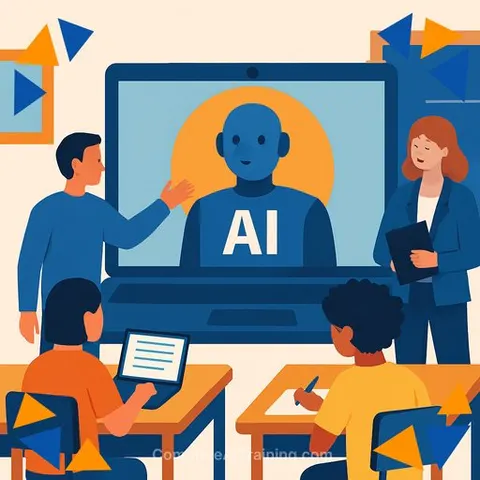
Halifax Schools Embrace AI with New Classroom Guidelines
The Halifax Regional Centre for Education has introduced guidelines for the use of artificial intelligence (AI) in classrooms, reflecting input from local teachers. These guidelines aim to integrate AI in education ethically, safely, and inclusively for both students and educators.
AI Guidelines Tailored for Halifax Classrooms
At Eric Graves Memorial Junior High in Dartmouth, N.S., students are already using AI tools as part of their assignments. For example, an AI-generated image helped students design a sweatshirt for a home economics project. This marks a shift in how AI is viewed and utilized in local schools.
David Waugh, a teacher involved in this transition, explains, "AI is here to stay, so we need to adapt." The guidelines include practical measures such as prohibiting the sharing of personal information with AI tools, monitoring content to prevent exposure to harmful material, and requiring disclosure when AI contributes to schoolwork.
Shifting Perceptions on AI in Education
Teacher attitudes toward AI have evolved significantly. Once dubbed the "cheating machine," tools like ChatGPT are now seen as valuable for fact-checking and research. In some classes, AI-generated images complement students’ creative projects, such as visualizing poetry.
Waugh notes the importance of teaching students responsible AI use to maintain critical thinking skills. OpenAI itself recommends using AI for routine tasks like formatting citations, allowing students to focus more on creativity. As Waugh puts it, "AI is on its way whether you like it or not."
Students are already benefiting. Grade 7 student James Hathaway finds AI useful for areas where he struggles, like drawing. The imperfections of AI-generated images encourage students to critically assess the output, keeping them engaged in the learning process.
Mixed Reactions from Educational Institutions
While some school boards and universities encourage AI integration, others have considered bans due to concerns about plagiarism and misinformation. Chris Cocek, part of Halifax’s Technology Integration Lead Team, stresses the importance of open conversations about AI. "We can't ignore that AI is embedded in society," he says, emphasizing the need to train teachers and students to use it responsibly.
Balancing AI Benefits and Risks
Jonathan Woodworth, a technology integration educator at Mount Saint Vincent University, acknowledges AI’s potential but warns about risks like diminished emotional intelligence and relationship-building skills. He believes AI should increase productivity without sacrificing the human element in education.
Woodworth advocates for training educators and students to critically evaluate AI tools. Without this, he cautions, people might resort to shortcuts that undermine learning.
Conclusion
Halifax’s approach to AI in schools emphasizes practical guidelines, ethical use, and education on responsible interaction with AI technologies. This balanced stance helps prepare students for a future where AI tools are part of everyday learning and work.
For education and IT professionals interested in expanding their AI knowledge and skills, exploring comprehensive training resources can provide valuable insights into effective AI integration. Visit Complete AI Training’s latest courses to learn more about AI applications in education and beyond.