
AI news ·
Inside Alpha School: How AI Is Transforming Teachers into Mentors in the Future of Education
Alpha School uses AI to personalize lessons, shifting teachers into mentors who support student growth. This blend fosters autonomy and life skills alongside academics.
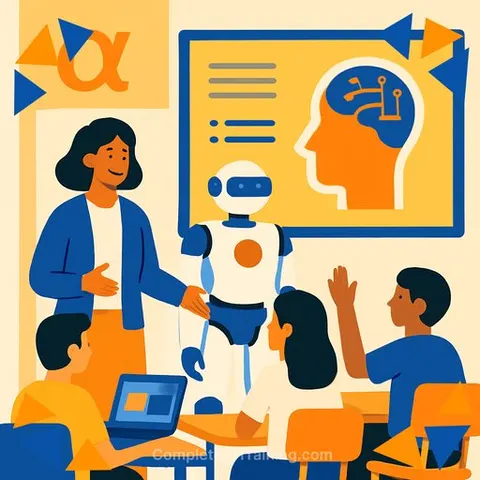
AI-Powered Classrooms: How One School is Changing the Teacher’s Role
As many American parents seek new education options following frustrations during the pandemic, some private schools are redefining how teachers interact with students. One example is Alpha School in Brownsville, Texas, part of a growing network that uses artificial intelligence (AI) to teach core subjects for pre-K through eighth grade.
At Alpha, AI delivers customized 30-minute lessons, while instructors act more as facilitators and mentors than traditional teachers. This approach aims to foster student autonomy and engagement from an early age.
Individualized Learning Over One-Size-Fits-All
Traditional public schools often deliver a uniform lesson to an entire class, hoping most students grasp the material. But classrooms consist of students with varying levels of understanding and ability. Alpha addresses this by creating personalized learning paths that adapt to each student's pace and needs.
According to Samantha Hilton, an instructor at Alpha’s Brownsville campus, this method allows students to thrive without being held back or bored. She suggests public schools could benefit from incorporating AI and individualized learning to help students learn more efficiently while boosting their confidence and enjoyment of school.
The Teacher’s Role in an AI-Enhanced Classroom
Despite AI’s increasing presence, educators remain essential. Experts agree that while AI can change how instruction is delivered, personal connection and mentorship are still critical components of effective education.
Colleen Hroncich, a policy analyst at the Cato Institute, highlights that Alpha’s teachers function more as guides who support students socially and emotionally, motivate them, and help set goals. Their role shifts from lecturing to facilitating and mentoring, but their presence remains vital.
Alpha’s staff, once called “guides,” recently adopted the “teacher” title to clarify that their role includes more than just overseeing AI-led lessons—they are deeply involved in students’ overall development.
Blending AI Instruction with Life Skills
Alpha’s model features condensed AI-driven academic sessions in the morning, followed by afternoons dedicated to life skills like public speaking, financial literacy, and physical activity. This structure allows students to progress academically at their own pace while developing practical skills.
Michael Van Beek from the Mackinac Center for Public Policy notes that customizing curriculum based on mastery rather than seat time challenges the conventional public school model. While it’s hard to independently verify Alpha’s claims of accelerated learning, their expansion suggests positive reception among parents.
Van Beek emphasizes that teachers remain crucial, just with a redefined focus—supporting student growth and relationships rather than traditional instruction.
Why Parents Are Exploring Alternatives
Surveys indicate many parents are dissatisfied with the current education system, with only 6% rating it as “very good.” This dissatisfaction drives demand for alternative models like Alpha, which offer more choice and involvement for families.
Interest in charter schools, vouchers, and hybrid public-private options continues to rise. Schools that integrate AI thoughtfully and empower parents may become increasingly common as education evolves.
Federal Support for AI in Education
The federal government is pushing for AI integration in K-12 education. Recent executive orders prioritize teacher training in AI and encourage schools to prepare students for technology-driven futures.
Department of Education leadership stresses the need for classrooms to adapt to innovation and equip students with skills to thrive professionally. This signals a growing recognition that AI will be part of education’s future landscape.
Key Takeaways for Educators
- AI can deliver personalized academic content, freeing teachers to focus on mentorship and social-emotional support.
- Individualized pacing helps students master material more efficiently than traditional, uniform instruction.
- Teachers’ roles evolve but remain vital in fostering relationships and guiding student growth.
- Life skills development alongside academics prepares students for real-world success.
- Public schools may benefit from adopting elements of AI-powered models to better meet diverse student needs.
Educators interested in how AI can support teaching and learning may explore AI courses tailored for education professionals to understand practical applications and integration strategies.