
AI news ·
Italy, Spain, and Portugal Push for Stronger Copyright Protections and Transparency in EU AI Regulation
Italy, Spain, and Portugal urge stronger copyright protections and transparency in the EU’s AI Act. They seek legal clarity to safeguard intellectual property in AI development.
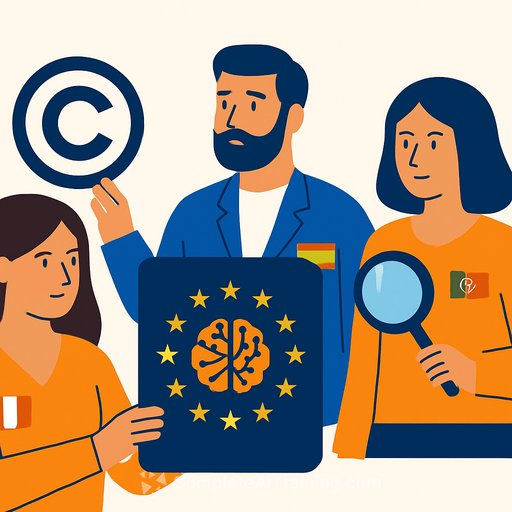
Italy, Spain, and Portugal Push for Stronger Copyright Protections in EU AI Regulation
Date: May 8, 2025, 09:49 GMT
The governments of Italy, Spain, and Portugal have made a joint call to prioritize copyright and related rights in the development of artificial intelligence (AI) models. Ahead of an upcoming EU ministerial meeting, these three countries emphasized the need for transparency and legal certainty in the enforcement of the EU’s AI Act.
Key Points from the Joint Statement
- Protection of Copyright and Related Rights: The countries stress the importance of safeguarding intellectual property in AI training data and model development to support European cultural industries.
- Transparency Requirements: They advocate for clear transparency obligations for AI systems, which would help users and stakeholders understand how AI models utilize copyrighted content.
- Coordinated Monitoring: A coordinated approach is requested for overseeing the AI Act’s code of practice, ensuring compliance and consistent application across member states.
- Urgency for Legal Clarity: The statement highlights the need for swift measures to establish legal certainty and harmonize the AI Act with existing EU laws.
These demands reflect growing concerns about how AI technologies interact with copyrighted materials—especially as AI models increasingly rely on vast datasets that include protected content. For IT and development professionals, this means that future AI projects in Europe will likely require careful consideration of intellectual property rights and compliance with evolving regulations.
Implications for AI Development and Compliance
The emphasis on copyright protection could affect how training data is sourced and used, potentially impacting the availability of datasets and model transparency. Development teams will need to implement processes to ensure that their AI systems respect these legal frameworks, which might involve new auditing or data management practices.
For those working with AI in Europe, staying informed about the AI Act’s progress and participating in or monitoring regulatory discussions will be crucial. Compliance will not only involve technical measures but also legal and ethical assessments integrated into AI development cycles.
To prepare for these changes, IT professionals may benefit from specialized training on AI regulations and compliance strategies. Resources like Complete AI Training’s latest AI courses offer up-to-date insights and practical guidance on managing AI projects within legal boundaries.