
AI news ·
Mayo Clinic develops multi-model AI framework to help radiologists detect cholangiocarcinoma
Mayo Clinic researchers are building a multi-model AI framework to help radiologists detect cholangiocarcinoma, a rare bile duct cancer, from medical images. The system acts as an assistive second read, flagging subtle patterns a single model might miss.
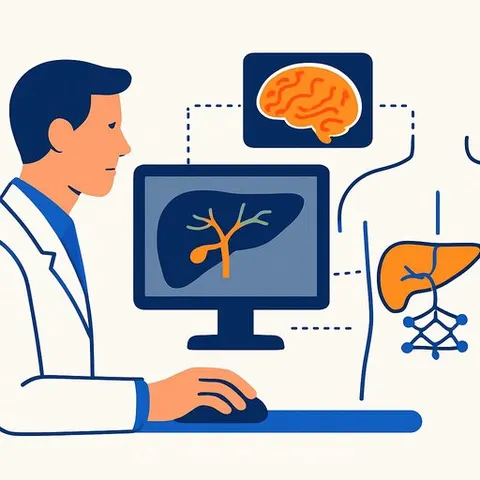
Mayo Clinic researchers are building a multi-model framework to help radiologists detect cholangiocarcinoma, a rare and aggressive bile duct cancer, directly from medical images. Yashbir Singh, assistant professor of radiology at Mayo Clinic, discussed the work in a presentation that ties into the broader push for AI-driven clinical decision support ahead of two major HIMSS events in Boston this June.
The announcement comes as HIMSS prepares to host its one-day AI Executive Leadership Summit on June 24, 2026, followed by the AI in Healthcare Forum running June 25-26. Both events will focus on how health systems are translating AI research into operational tools.
What the multi-model approach targets
Cholangiocarcinoma is difficult to diagnose early because its presentation on scans overlaps with other biliary conditions. Singh said the framework under development uses multiple AI models working together to analyze imaging data, aiming to give radiologists a second read that flags subtle patterns a single model might miss.
"We are building a multi-model framework that can help radiologists examine images to find cholangiocarcinoma," Singh said. The approach does not replace the radiologist. It functions as an assistive layer that surfaces potential findings for further review.
Clinical context and timing
The work reflects a growing trend in academic medical centers: moving from single-algorithm experiments to compound systems that mimic how specialists actually review cases. Radiology departments already face high volumes and burnout. Tools that reduce miss rates for low-prevalence cancers carry both patient safety and operational implications.
HIMSS selected Boston as the venue for both events, signaling a concentrated week of discussion around AI governance, reimbursement models, and real-world implementation. Registration for the leadership summit and the forum are separate, each with distinct agendas tailored to executives and practitioners.
Why this matters for healthcare professionals
For radiologists and imaging department leads, multi-model frameworks represent a shift in how AI integrates into clinical workflows. Rather than a single algorithm producing a score, these systems combine different analytical perspectives on the same image. If validated, the Mayo Clinic project could influence how cancer screening protocols incorporate AI assistance - and what radiologists expect from their vendor partners in terms of transparency and performance across rare disease categories.