
AI news ·
NEC launches supply chain AI agent that automates procurement and production planning
NEC will start selling its SCM AI Agent in September at 18 million yen per year, targeting 100 customer adoptions over five years. The service autonomously handles demand forecasting, procurement negotiations, and production planning across multiple systems.
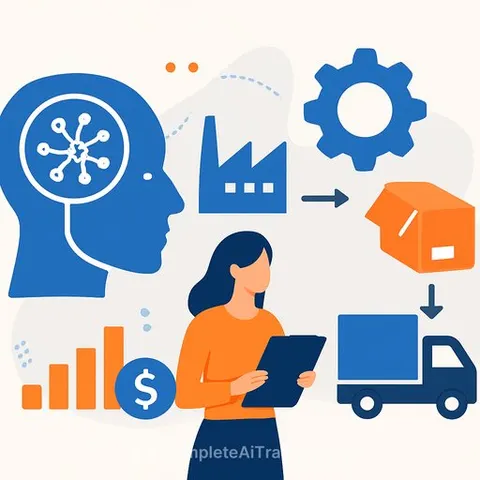
NEC will begin selling its NEC SCM AI Agent in September, a service that autonomously handles supply chain tasks across multiple systems, including demand forecasting, procurement negotiations, and production planning. Annual pricing starts at 18 million yen, and the company aims for 100 customer adoptions over five years.
The launch targets a persistent problem in supply chain operations. Companies often run multiple systems with customized business processes, leaving gaps that standardized software cannot cover. Staff spend hours on data coordination between systems, process adjustments, and responses to unexpected events, slowing reaction times when business conditions shift.
How the AI agent works
The service runs on NEC's AI Platform Service and links large language models with machine learning and NEC-developed AI. This combination handles numerical forecasting and optimization tasks that stand-alone LLMs struggle with. The agent can execute demand forecasting, optimize production and inventory plans, and adjust logistics schedules. Customers can also add agents tailored to their specific operations and data.
NEC said the agent can gather, organize, and analyze information needed for operations, cutting the time required for review and reducing variability in work outcomes. It automates tasks across functions through a single operating environment rather than forcing users to jump between separate tools.
Pricing and market context
Annual pricing starts at 18 million yen ($113,208), excluding tax, with costs varying based on data volume and selected functions. Initial setup fees are charged separately. NEC will exhibit the product at the 17th International Logistics Comprehensive Exhibition 2026 in Tokyo from September 8 to 11.
Supply chain software has shifted toward faster planning and tighter inventory control as manufacturers and retailers face more volatile demand patterns. In Japan, supply chain management typically spans procurement, production, inventory, and distribution planning across separate enterprise systems, making integration a constant challenge. This is a core area covered in the AI Learning Path for Supply Chain Managers, which addresses practical automation skills for these exact workflows.
Why this matters for customer support teams
Customer support professionals feel the downstream effects of supply chain delays directly. When inventory data is siloed or production plans shift without real-time visibility, support agents field frustrated calls about backorders, shipping delays, and stock-outs without having accurate answers. An AI agent that connects demand forecasting, inventory optimization, and logistics planning across systems can reduce the exceptions and surprises that trigger those calls. Fewer supply chain breakdowns means fewer angry customers and more time for support teams to handle complex issues that actually require human judgment. For teams looking to understand how AI fits into broader operations, the AI for Operations resources provide context on automation trends affecting customer-facing roles.