
AI news ·
Nestlé develops tailored nutrition products for GLP-1 drug users
Nestlé is using AI to develop nutrition products for people taking GLP-1 weight-loss drugs, targeting side effects like muscle loss, dehydration, and rebound hunger.
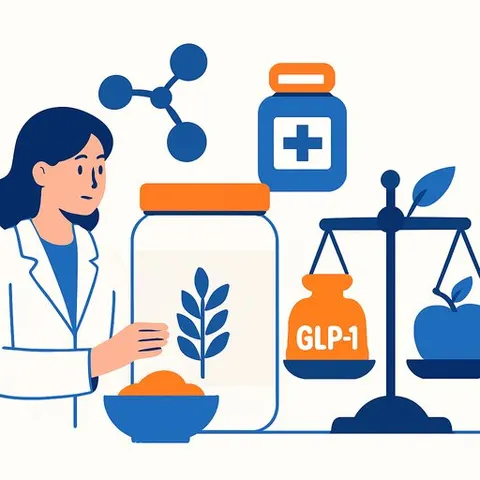
Nestlé is developing a range of nutrition products tailored specifically for people taking GLP-1 weight-loss drugs, using AI to accelerate the research and formulation process. The Swiss food and beverage giant is targeting side effects of rapid weight loss - including muscle loss, dehydration, nutrient deficiencies and "Ozempic face" - as it seeks to turn the rise of these medications into a growth opportunity for its portfolio.
"We are well positioned with the portfolio," chief technology officer Stefan Palzer told Reuters. "It's a huge opportunity for our company."
Targeting muscle loss and rebound hunger
Nestlé scientists have been studying the effects of GLP-1 treatments and are developing products designed to address the specific nutritional challenges they create. One focus is lean muscle mass, which patients commonly lose alongside fat.
"A big part of weight loss is that people lose lean muscle mass," said Palzer. "We found a combination of two micronutrients which we industrialised that stimulate the growth of muscle tissue. On one hand you provide protein, on the other hand you stimulate the muscle tissue to grow back faster."
The company has also patented proprietary ingredient combinations for consumers coming off GLP-1 medications. These formulations are intended to help curb appetite as the drugs' effects fade, reducing the risk of rebound hunger and supporting weight management after treatment ends.
AI in product development
Nestlé is using AI to process large volumes of clinical research and identify nutrient combinations that support muscle health, hydration and nutritional intake. The company is also applying AI to simulate consumer behaviours and responses, identify emerging trends, and find reformulation opportunities within a database of roughly 120,000 recipes.
These applications reflect a broader shift in how the company approaches AI for Product Development, moving from incremental recipe tweaks to data-driven discovery of new functional ingredients. The same pattern is visible in AI for Science & Research, where machine learning is increasingly used to scan clinical literature and surface patterns human researchers might miss.
GLP-1 threat or opportunity
The move comes as food and beverage companies grapple with the implications of rapidly growing GLP-1 use. By reducing hunger and slowing gastric emptying, drugs such as Ozempic, Wegovy and Mounjaro lead consumers to eat less, snack less frequently and become more selective about food choices.
Research has suggested GLP-1 users are more likely to cut back on discretionary purchases, particularly salty snacks, sugary beverages and other indulgent products. Demand is expected to shift toward foods offering higher nutritional value, including products rich in protein, fibre and essential micronutrients.
For manufacturers whose growth has traditionally relied on volume sales, that presents a significant long-term challenge. Nestlé's response - developing products for the GLP-1 population rather than defending against it - is emerging as a template for the industry, and other major food companies are now reassessing their portfolios and innovation pipelines in similar terms.
Why this matters for product development professionals
Nestlé's approach demonstrates how AI can compress the timeline from clinical insight to patented ingredient formulation. The company is using machine learning to scan research at a scale no human team could match, then moving those findings into proprietary products with a clear consumer need attached.
For product developers, the practical takeaway is twofold. First, GLP-1 is creating a durable new consumer segment with specific nutritional requirements - muscle retention, hydration, appetite control - that extends beyond the drug-taking period. Second, the AI workflow Nestlé has built - mining clinical literature, simulating consumer behaviour, screening a large recipe database - is replicable in other categories where health trends are reshaping demand.