
AI news ·
OpenAI expands Codex with reusable cloud environments, voice controls, and security tools
OpenAI's Codex now runs in reusable cloud environments from any device, not just one-off remote sandboxes. The update adds voice control, in-app code review, and Codex Security Cloud for scheduled GitHub repo scanning.
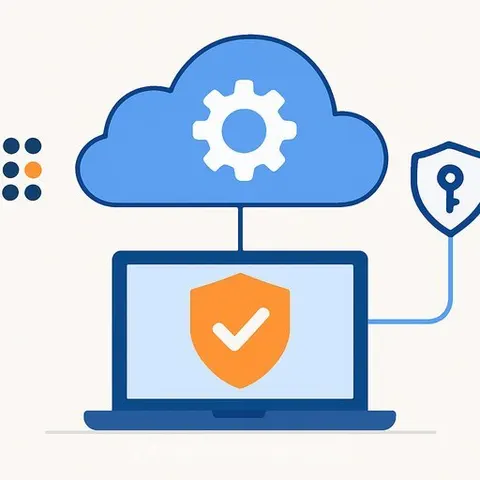
Codex moves beyond the laptop with reusable cloud environments
OpenAI unveiled new capabilities for its Codex software engineering agent at DevDay on Tuesday, including reusable cloud development environments that work from any device. The update signals a shift in how developers can deploy AI coding agents: instead of isolated remote sandboxes, Codex now operates in persistent, configurable workspaces that teams can share.
The cloud environments let developers run Codex on a computer, remotely from a phone, or in the cloud. OpenAI said the reusable environments help tasks start faster and give teams a shared workspace with approved settings and permissions. Codex could already spin up cloud tasks, but those were treated as one-off remote sessions.
Voice control and a refreshed CLI
The Codex CLI now supports voice commands for starting and directing tasks. A new /agents view makes it easier to delegate work and track multiple tasks simultaneously. OpenAI also improved editing prompts, resuming sessions, and using worktrees, alongside a cleaner terminal interface designed for longer sessions.
Code review inside ChatGPT
Codex can now handle code reviews within the ChatGPT desktop app. Users can read summaries, explore code changes, or ask Codex about potential issues before sharing feedback on GitHub pull requests or GitLab merge requests. Automatic reviews let Codex perform an initial pass while developers step away from their computers.
For teams evaluating how AI fits into existing development workflows, resources like AI Code Generation Courses can help build the skills to integrate these tools effectively.
Security tools and API updates
OpenAI also introduced Codex Security Cloud, a set of tools for scanning GitHub repositories on demand, on a schedule, or whenever new commits arrive. Codex investigates findings, removes duplicates, and prepares fixes in the cloud, even when the user's laptop is closed. The tool set includes access to models from OpenAI's Daybreak Blue cybersecurity initiative without a separate application.
On the API side, OpenAI announced a Decisions API for real-time decision-making using Luna to answer user-defined questions with predefined answers. An updated Agents API now supports computer use and Amazon's Bedrock Managed Agents, letting developers build OpenAI agents that run entirely on AWS.
Why this matters for developers and IT teams
Persistent cloud environments change the economics of AI-assisted development. Teams can standardize permissions and settings once, then let agents work on shared infrastructure rather than isolated sandboxes. Security teams gain scheduled scanning that runs without a developer actively monitoring it. For professionals in IT and development roles, the practical takeaway is that Codex is becoming a shared team resource, not a personal coding assistant. Those looking to build competency with these workflows can explore AI for Developers Courses to understand how agent-based development fits into existing pipelines.