
AI news ·
Oracle unveils eight AI agents in Fusion Cloud HCM as EU AI Act deadlines approach
Oracle launched eight AI agents for HR tasks on August 11, embedded in its Fusion Cloud HCM suite. The tools automate job descriptions, internal mobility matching, and skills gap detection using existing enterprise data.
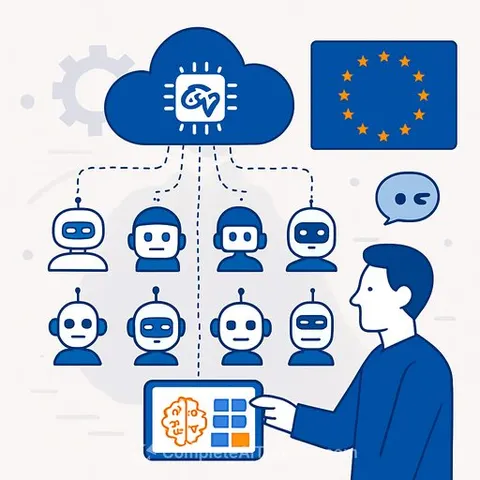
Oracle launched Fusion Agentic Applications and AI agents for human resources on August 11, adding eight new tools to Oracle Fusion Cloud Human Capital Management (HCM). The agents are designed to keep job roles and employee profiles current, support internal mobility, and flag emerging skills needs earlier than traditional HR systems.
The new applications run on enterprise data, workflows, policies, approval hierarchies, permissions, and transactional context. Oracle said they automate routine work while surfacing exceptions, tradeoffs, and decisions where human judgment materially changes the outcome.
Oracle described Fusion Cloud HCM as a unified cloud suite for HR processes built on one data model with embedded AI. The company said the new tools are native extensions rather than standalone add-ons, meaning they share the same data foundation as existing HR processes.
What the AI agents do
The agents handle tasks that typically consume HR staff time: updating job descriptions, matching employees to open roles, and identifying skills gaps across the workforce. Because they sit on the same data model as the core HCM suite, they can pull from current employee records, org charts, and historical hiring data without separate integrations.
The launch positions Oracle against SAP, which has been marketing agents for HR workflows in SAP SuccessFactors HCM. Both vendors are betting that HR teams want AI that works inside their existing systems rather than point solutions that require new data pipelines.
Regulatory context
The release also lands as the European Union's AI Act takes shape. The regulation classifies many employment-related AI systems as high risk and will require oversight, transparency, and monitoring starting December 2, 2027. That timeline gives HR departments room to evaluate tools like Oracle's agents before stricter rules apply.
For HR professionals, the practical question is whether AI agents can reduce administrative load without introducing bias or compliance problems. Oracle's approach - keeping humans in the loop for decisions that materially change outcomes - reflects that concern. The system flags exceptions and tradeoffs rather than making final calls autonomously.
HR teams evaluating these tools should consider how they handle employee data privacy, whether their approval hierarchies match existing workflows, and how much configuration is required. The AI for Human Resources resource page tracks similar developments and practical guidance for HR teams.
Why this matters for HR professionals
The immediate takeaway is that AI agents are moving from pilot projects into core HR platforms. Oracle's launch means HR teams can test agentic AI without building custom infrastructure, but it also means they need to define clear boundaries around automation. Skills data, internal mobility, and role definitions are exactly the areas where flawed AI decisions create real-world harm - a miscategorized skill profile can stall a promotion, and an outdated job description can mislead candidates.
HR leaders should start by identifying the highest-volume, lowest-risk processes where agents can help, then document how exceptions get escalated to human reviewers. That groundwork will matter even more once EU regulations take effect, but it also makes practical sense now. For teams that want structured guidance on applying AI to HR workflows, the AI Learning Path for HR Managers covers implementation considerations and governance questions.