
AI news ·
Paul Bingham shares tips on using AI effectively and responsibly in the workplace
Paul Bingham outlines three core strategies for managers adopting AI: automating repetitive tasks, staying transparent about AI's role, and investing in skills AI can't replicate. His advice includes starting with small pilot projects to reduce risk and boost adoption.
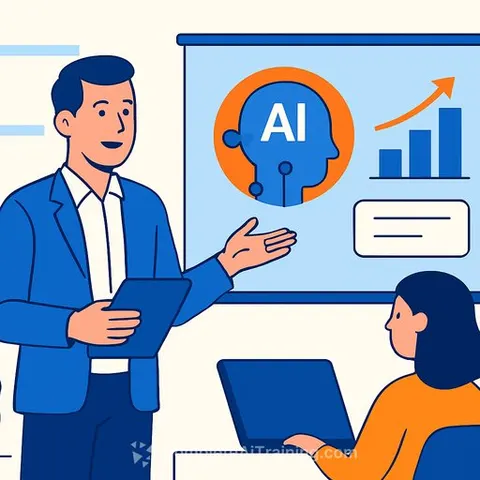
As artificial intelligence reshapes how work gets done, managers face a pressing question: how to use these tools without losing the human element that drives their teams. Paul Bingham joined Fresh Living to discuss practical strategies for adopting AI responsibly while keeping employees competitive in a shifting job market.
Bingham focused on three core areas: identifying where AI can reduce repetitive tasks, maintaining transparency about AI's role in decision-making, and investing in skills that AI cannot easily replicate. He emphasized that the goal is not to replace workers but to free them for higher-value work that requires judgment and creativity.
Using AI effectively in team operations
Bingham advised managers to start by mapping routine processes that consume staff time, such as data entry, scheduling, or basic report generation. Those tasks are ripe for AI automation. The key is to implement these tools in a way that feels supportive, not threatening, to employees.
He suggested giving teams clear guidelines on when and how to use AI, including regular check-ins to address concerns. Managers can boost productivity by focusing on output quality rather than sheer volume, letting AI handle the grunt work.
Staying competitive in age of AI
The conversation moved to longer-term career strategy. Bingham recommended that managers encourage themselves and their teams to develop skills in areas where AI struggles: critical thinking, interpersonal negotiation, and creative problem-solving. He also pointed to structured learning paths.
For managers aiming to stay ahead, the broader topic of AI for Management covers how to lead teams through technological transitions. The key is continuous learning and looking for relevant training as AI capabilities expand.
Getting started with AI at your organization
Bingham's practical advice for managers includes starting small with one or two pilot projects rather than attempting a full overhaul. Pick a clear problem, test an AI solution, measure the results, and then scale. This method reduces risk and builds confidence.
He also recommended involving employees in the selection and implementation process. When staff have a say in which tools they adopt, resistance decreases, and adoption rates increase.
Why this matters for managers
Your role requires balancing efficiency gains with team morale. Getting started right means picking one specific problem to solve with AI, involving your team in the decision, and focusing on skill development that keeps your workforce adaptable. The managers who treat AI as a tool for enhancing human capability, not replacing it, will see the strongest results over the long term.
For more information, visit WGU.edu. Follow Fresh Living on social media subscribe to our newsletter and check out their podcast for additional episodes.