
AI news ·
Pennsylvania medical board sues Character.ai over alleged unlicensed medical advice
Pennsylvania's State Board of Medicine is suing Character Technologies, alleging its Character.ai chatbot dispensed medical advice in violation of state regulations.
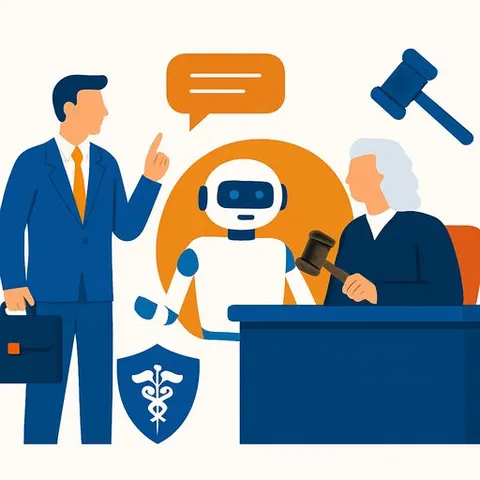
The Pennsylvania State Board of Medicine is suing Character Technologies, the company behind the Character.ai chatbot platform, in the Commonwealth Court of Pennsylvania. The lawsuit alleges the AI chatbot provided medical advice that violated state regulations, a case that could reshape how regulators treat AI services in licensed professions.
The action centers on whether AI-generated responses can cross into the unauthorized practice of medicine. State boards have historically gone after individuals practicing without a license, but this case extends that enforcement to a software company. Legal experts say the outcome could set a precedent for how professional regulators handle AI systems that appear to substitute for licensed practitioners.
What the lawsuit alleges
The Board of Medicine's petition claims Character.ai's chatbot dispensed medical guidance that ran afoul of Pennsylvania regulations. The platform, which lets users converse with AI-generated characters, has grown rapidly in popularity. That growth has drawn attention from regulators concerned about consumer protection in sensitive areas like healthcare.
For AI developers, the case underscores the need for safeguards and clear disclaimers on platforms that touch regulated industries. A chatbot that answers health questions without appropriate guardrails may face the same legal exposure as a human who practices medicine without a license.
What this means for AI regulation
This is not an isolated concern. As generative AI tools become more capable, the line between informational content and professional advice will keep blurring. State medical boards, bar associations, and financial regulators all have mandates to protect consumers from unlicensed practice. AI companies building products in these spaces need to account for those mandates from the start.
The case also signals that regulators are watching how AI companies position their products. A platform marketed as entertainment may still be held accountable if users rely on it for professional guidance. Companies in regulated industries should review their AI systems with an eye toward compliance, not just user engagement. For professionals in healthcare, this lawsuit offers a useful reference point on the legal boundaries of AI-generated advice.
The intersection of AI and professional regulation is likely to produce more litigation in the coming years. The Pennsylvania case is one of the first to test whether state licensing laws apply to chatbot responses, and its outcome will be watched closely by both regulators and technology companies. For those working in healthcare, the case reinforces that AI tools must operate within the same legal framework as human professionals.
Why this matters for healthcare professionals
If you work in a licensed healthcare role, this case is a reminder that AI tools are not exempt from professional standards. Patients may use chatbots for medical questions, and those tools may give answers that conflict with your guidance or state law. Understanding what AI systems can and cannot do-and where liability falls-matters for your own practice and for how you talk to patients about digital health tools.
Staying current on AI developments in medicine is becoming part of the job. The AI for Healthcare resources at Complete AI Training cover how these technologies apply to clinical work and regulatory concerns. For a deeper look at the technology behind chatbots like Character.ai, the Generative AI and LLM section explains how these systems generate responses and where their limitations lie.