
AI news ·
Preity Zinta files petition in Bombay High Court to remove AI-generated deepfakes
Preity Zinta sought a Bombay High Court order to remove AI deepfake videos and morphed images. The case tests privacy and defamation laws against synthetic media misuse.
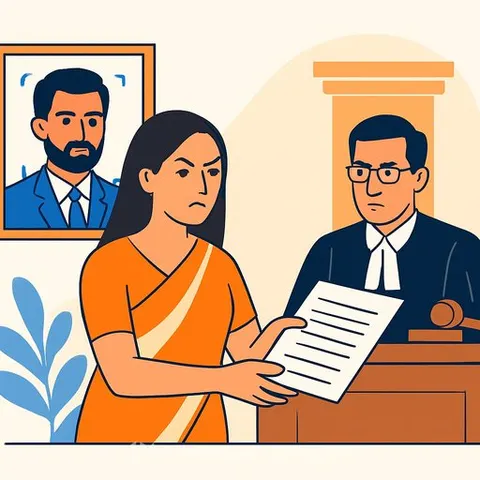
Bollywood actress Preity Zinta has filed a petition in the Bombay High Court seeking removal of objectionable content, including AI-generated deepfake videos and morphed images of herself. The case marks a direct legal challenge to the non-consensual use of synthetic media, putting privacy and reputation rights for public figures under sharp judicial scrutiny.
The Petition's Core Arguments
Zinta's filing argues that deepfake technology violates her privacy and could harm her reputation. Deepfakes can produce realistic but fabricated videos that mislead viewers and distort public perception. She is demanding swift removal of the content and has emphasised the need for legal frameworks to curb AI misuse in personal representation.
The case reflects wider unease within the entertainment industry. While deepfakes hold creative potential, their non-consensual use raises ethical questions, especially when they involve celebrities without their knowledge. Zinta's proactive legal step highlights the difficulties public figures face as digital manipulation becomes more accessible.
Industry Concerns and Regulatory Gaps
Lawmakers in several regions are considering regulations to address harms from deepfake technology. Zinta's petition brings urgency to the push for clear legal guardrails. The film industry's reaction to this case may accelerate conversations around digital rights and the protection of individual identity in an era of advanced synthetic media.
The Bombay High Court will hear the matter soon, and the entertainment community is watching closely. A ruling could set a precedent for how courts handle misuse of AI-generated content concerning privacy and intellectual property.
Why This Matters for Legal Professionals
This case could define legal standards for consent, defamation, and the commercial exploitation of AI-generated likenesses. For lawyers working at the intersection of technology, privacy, and intellectual property, Zinta's petition offers a concrete example of how existing laws are being tested. The outcome may influence regulatory approaches and shape future litigation strategies for clients affected by synthetic media.