
AI news ·
Readers and editors turn to mixed methods to verify content authenticity as AI use grows
AI-generated content has made readers more skeptical, pushing writers to verify authenticity through a mix of detection tools, source checks, and human review. No single method is enough-tone analysis, context, and editorial judgment all play a part.
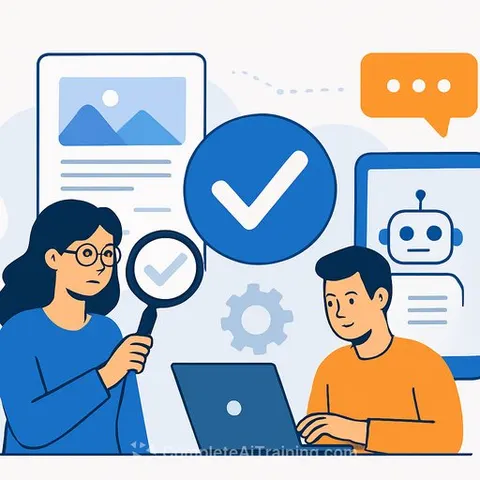
How Writers Verify Content Authenticity in the Age of AI
Readers now pause before accepting what they read online. With AI generating emails, blogs, product copy, and social posts, people want to know whether a real person wrote something and why.
Content authenticity can be checked through practical methods that combine tools, human judgment, and straightforward verification. It doesn't require complexity.
Why Authenticity Matters for Your Work
Readers trust content that feels honest, readable, and useful. When people know something is authentic, they engage with it more readily and share it further.
Authentic content also clarifies intent. Is a piece meant to inform, explain, teach, or provoke discussion? That becomes obvious when content is verified carefully.
Several qualities signal authentic writing:
- Clear facts
- Natural tone
- Relevant examples
- Consistent word choice
- Clear purpose
When these elements align, content feels human and reliable.
How Authenticity Gets Verified
Most verification combines multiple methods rather than relying on a single check.
Analyzing writing style and tone comes first. Human writing typically includes natural flow, personal examples, rhythm shifts, and a sense of connection with readers. AI-generated text can sound polished, but authenticity checks focus on sentence structure patterns, word choice, and how ideas develop.
Detection tools offer a starting point. Many writers now run drafts through AI detector tools to get an initial sense of the text before full review. These tools examine language signals and flag sections worth closer examination. Treat them as one part of the process, not the complete answer.
Source and context matter. Ask basic questions: Who wrote this? What's the purpose? When was it published? Do the examples match the topic? Clear context makes writing easier to trust.
Human Review Remains Essential
Editors and reviewers catch what tools miss. They notice whether a story sounds lived-in, if a point feels thoughtful, or if wording matches the author's voice.
Human review focuses on:
- Voice consistency
- Topic relevance
- Real-world logic
- Audience fit
- Clarity and warmth
This layer balances the verification process.
Transparency Builds Authenticity
Content doesn't need a single creation method to feel authentic. Honesty about the process matters more.
A writer might use AI for brainstorming, then shape the final draft with personal insight, careful edits, and fact-checking. That approach still produces content that feels real and trustworthy.
A Practical Review Process
You don't need complicated systems to verify authenticity effectively. Try this approach:
- Read the content once for overall meaning
- Check if the tone feels natural and consistent
- Look for useful details and clear examples
- Use a detection tool for additional support
- Review the source, purpose, and context
- Make a final human judgment
This keeps verification balanced and clear.
What Authentic Content Looks Like
Clarity: Easy to follow and well organized.
Relevance: Matches the topic and audience.
Consistency: Maintains the same tone and purpose throughout.
Specificity: Uses meaningful details and examples.
Readability: Feels smooth and natural to read.
Next Steps for Writers
Understanding authenticity verification strengthens your work. Learn more about prompt engineering to craft better AI assistance, or explore AI for writers resources designed specifically for content creators.
Content authenticity in the AI era relies on careful reading, source review, writing analysis, and smart tool use. When these work together, readers understand what a piece says and how it was created. Authentic content still comes down to clarity, trust, and real connection.