
AI news ·
Revolutionizing Management Education: Integrating AI for Strategic, Ethical, and Innovative Leadership
AI is reshaping management education by blending technical skills with strategy and ethics. Business schools must prepare students for responsible AI adoption and real-world challenges.
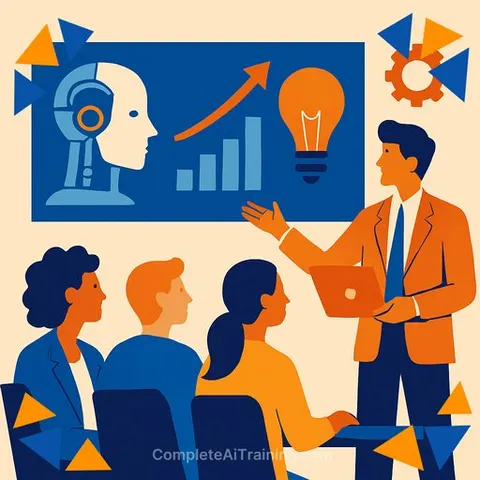
The Impact of AI on Management Education
Artificial Intelligence is transforming how organisations operate across functions like operations, finance, marketing, and human resources. For management students, understanding AI’s strategic impact and technical basics is essential. Business schools should focus their curriculum on automation, AI-driven decision-making, predictive analytics, and consumer insights to prepare students effectively.
Equally important is recognising AI’s limitations. Issues such as data bias, privacy concerns, and the necessity for human oversight in key decisions must be addressed. Legal, ethical, and regulatory aspects should be integrated into the learning experience to ensure responsible AI adoption.
To support digital transformation, business education must equip students with strategies to overcome resistance and align AI projects with corporate goals. Students should learn to blend AI initiatives with company strategy and foster innovative mindsets. Bridging the gap between technical skills and business strategy requires collaboration with data scientists and AI specialists.
This calls for a comprehensive approach including data analytics courses, AI-based case studies, simulations, internships, industry collaborations, and expert-led workshops. Such a mix helps students gain both theoretical and practical insights.
Real-world Experience
Hands-on learning connects academic concepts with real business challenges. Activities like case studies and AI analytics seminars expose students to how AI shapes decision-making in companies. Simulations and interactive tools enhance problem-solving and strategic thinking.
Focusing on the ethical and governance aspects of AI raises awareness about bias, transparency, and compliance issues. This prepares students to manage AI responsibly and inspires creative problem-solving. Learning can be further supported through workshops, seminars, and adaptive learning platforms.
Integrating AI across business disciplines ensures graduates have the analytical and strategic skills to succeed in an AI-driven environment. A comprehensive AI curriculum strengthens technical knowledge and develops the ability to apply AI strategically and ethically within organisations.