
AI news ·
Surge in AI court cases in China fuels calls for unified legal framework
A Chinese court ruled a fintech firm wrongfully terminated an employee to be replaced by AI. The Hangzhou court stated companies cannot shift technological costs onto workers.
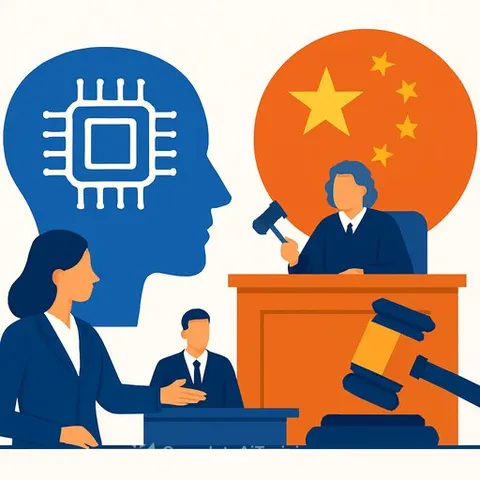
Chinese courts are facing a surge in artificial intelligence-related litigation, exposing a gap in the country's legislative framework for governing the technology. The rising volume of tech disputes is prompting legal experts to demand clearer statutory guidelines to protect workers and establish predictable liability standards for businesses.
A landmark ruling on AI replacement
A recent decision by the Hangzhou Intermediate People's Court highlights the growing friction between workforce automation and labor rights. The court ruled against a fintech firm that terminated an employee after he refused a demotion and pay cut. The company explicitly told the worker, surnamed Zhou, that he could be replaced by artificial intelligence.
Zhou had been hired specifically to evaluate the accuracy of answers generated by AI models. The court determined that replacing him for cost savings did not meet the legal threshold of a material change in objective circumstances required to justify termination.
Shifting the financial burden
The Hangzhou Intermediate People's Court designated its judgment as an exemplary case to guide future rulings. "The use of AI technology is intended to free labourers, improve productivity and serve the public good," the court said. "Businesses cannot shift the financial burden and risks associated with the technological change onto their employees."
As courts grapple with these novel disputes, the demand for standardized compliance protocols is growing. This makes resources on AI for Legal increasingly relevant for practitioners assessing workforce automation risks.
For legal teams advising corporate clients, structuring these transitions requires strict adherence to emerging standards. Building this specialized knowledge helps practitioners anticipate how courts will codify labor protections, a focus mirrored in resources like the AI Learning Path for Regulatory Affairs Specialists.
Why this matters for legal professionals
Corporate counsel and employment lawyers must now advise clients that cost reduction alone does not justify terminating employees to make way for artificial intelligence. Drafting workforce transition policies requires clear documentation of objective business necessities beyond mere automation savings. Failing to establish this legal threshold will likely result in unfavorable court rulings and potential liability for wrongful termination.