
AI news ·
Tidal bans AI-generated music and deletes 29 million songs starting next month
Tidal will delete an estimated 29 million AI-generated songs starting December 9, as synthetic tracks now make up 43 percent of all music distributed to the service in the past 90 days.
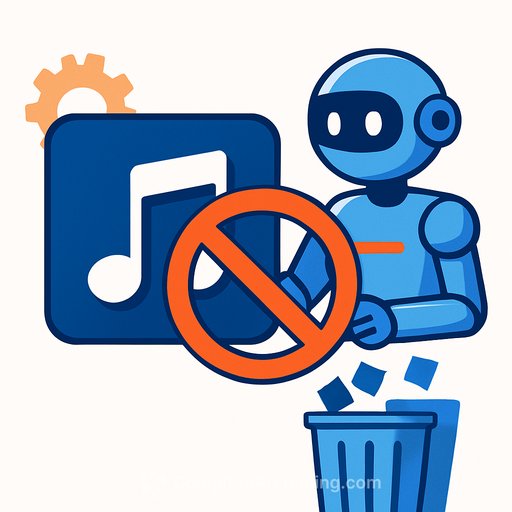
Tidal will ban AI-generated music from its platform starting December 9th, deleting an estimated 29 million tracks in the process. The move directly targets the flood of synthetic content that now makes up 43 percent of all music distributed to the service in the last 90 days, according to Tidal music lead Robert Andersen.
Andersen said the platform needed a more "drastic" measure after earlier attempts to label and demonetize fully AI-generated songs proved insufficient. "We believe this will resonate with both artists and listeners alike, as 96% of all AI-generated songs receive zero plays at all," Andersen said in a post on X.
What gets banned - and what doesn't
Tidal draws a line between wholly synthetic tracks and music made with AI assistance. Songs generated entirely by AI will be blocked. But artists who use AI tools as part of their creative process can still distribute through the platform, provided AI is not the "sole output."
The company will use the AI detection tool Ircam Amplify combined with metadata checks to identify offending tracks. Music distributors will also be prohibited from submitting AI-generated songs. Tidal estimates the new enforcement will reject between 80,000 and 85,000 tracks per day.
An industry-wide crackdown
Tidal is not alone. Spotify recently removed 50 million AI-generated tracks from recommendations over the past year and introduced "AI persona" badges for artists using synthetic identities. YouTube and Apple Music have rolled out or planned AI music labels, while Deezer now lets users filter out AI content. Bandcamp banned AI music earlier this year.
"Wholly AI-generated music intended to mislead listeners and impersonate artists is another serious problem that has only increased in scale: It diverts streams and royalties away from the artists, and confuses fans," Tidal said in a separate statement on X.
Why this matters for creatives and rights holders
The 29 million songs heading for deletion represent a direct threat to royalty pools. AI tracks that impersonate real artists siphon streaming payouts - even if individual plays are small, the aggregate effect across millions of tracks shifts money away from human creators. For legal and rights management teams, Tidal's use of Ircam Amplify signals that detection tools are becoming standard enforcement infrastructure, not experimental add-ons.
Marketing and communications professionals should watch how platforms communicate these bans to users. Tidal's framing - protecting artists and listeners rather than just policing content - offers a template for messaging that avoids looking reactive. The 96 percent zero-play statistic also provides a data-backed argument for why synthetic content degrades platform quality without delivering engagement.