
AI news ·
TPC26 panel highlights the growing importance of collaboration in AI for science
Advancing AI for Science requires collaboration among domain scientists, data engineers, and ML specialists. Isolated work stalls projects at the proof-of-concept stage.
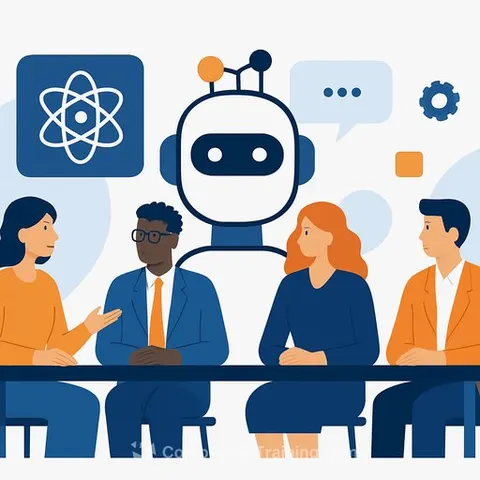
A panel at TPC26 highlighted the critical role of cross-disciplinary collaboration in advancing AI for Science. Experts noted that while scientific breakthroughs are often associated with new algorithms, novel approaches, or advanced computing systems, shared expertise is the catalyst that turns theoretical potential into practical discovery.
the limits of isolated innovation
Researchers can no longer rely solely on processing capacity or isolated algorithmic tweaks to solve complex scientific problems. The TPC26 discussion underscored that modern projects require domain scientists, data engineers, and machine learning specialists to work in tandem. When these disciplines operate in silos, initiatives often stall at the proof-of-concept stage.
building collaborative frameworks
Successful AI for Science & Research initiatives depend on structured partnerships. This requires establishing common data standards, shared computational resources, and clear communication channels between technical and scientific teams. Industry panels increasingly point to these organizational frameworks as the primary differentiator in accelerating discovery timelines.
why this matters for science and research professionals
For researchers, this shift means technical literacy and collaborative project management are now core competencies alongside domain expertise. Investing time in cross-functional training and partnering with computational experts will directly ensure the scalability and success of your Research initiatives.