
AI news ·
Trump expected to name Jay Clayton as White House AI czar
Trump is likely to name intelligence director Jay Clayton as White House AI czar, merging the role with his current post. Trump said he would announce the pick within days after top AI leaders signed voluntary safety standards.
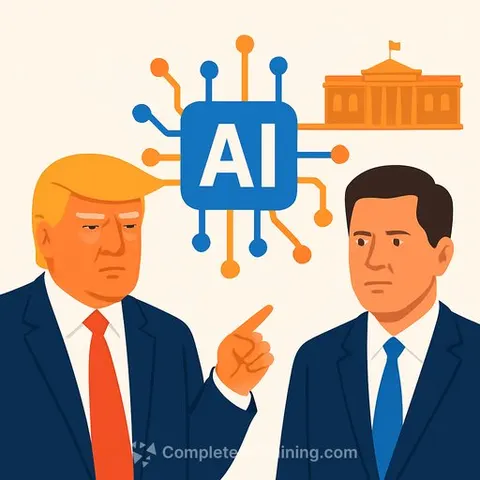
President Trump is likely to name Jay Clayton as the White House AI czar, according to three sources familiar with the discussions. The selection would place the director of national intelligence in a dual role overseeing federal artificial intelligence strategy, a position Trump said last month would require "high intelligence."
Administration officials have discussed a structure where Clayton retains his current post while absorbing the AI portfolio. An official decision is expected shortly, though the White House pushed back on advance reporting of any personnel moves.
Dual-role structure under consideration
The arrangement would give Clayton authority over both the intelligence community and the administration's AI policy coordination. Trump told reporters Tuesday, following a White House meeting where top AI industry leaders signed voluntary safety standards, that he intended to announce "an extraordinary appointee" within three or four days.
Trump first signaled the AI czar role last month in a social media post. The position has drawn attention from policy professionals tracking how the federal government will coordinate AI governance across agencies, defense, and industry partnerships.
White House disputes early reports
A White House official told CBS News that "any personnel decisions will come directly from the president" and described advance reporting as "baseless speculation." The statement did not deny that Clayton is the leading candidate, only that no formal announcement has been made.
Clayton's background as a former SEC chairman and his current intelligence role give him a regulatory and national security profile that aligns with the cross-cutting nature of AI policy. If confirmed, his appointment would signal that the administration views AI primarily through a security and competitiveness lens.
Why this matters for Government, Legal, PR and Communications professionals
The AI czar will shape federal procurement rules, agency guidance, and regulatory coordination that directly affect government contractors, compliance teams, and public affairs strategies. A dual-hatted leader pulling from the intelligence community suggests early policy emphasis will fall on security frameworks and industry standards rather than consumer-facing regulation. Communications and legal teams should prepare for rapid personnel announcements and policy signals once the official decision lands - the White House has already demonstrated it will contest any reporting that jumps ahead of the president's own timeline.