
AI news ·
US data center pollution matches that of a small European country, Harvard study finds
U.S. data centers emitted 28.3 million tons of CO₂ in a year-more than Denmark's annual output. The 403 largest facilities consumed 82 terawatt hours of electricity, over half from fossil fuels.
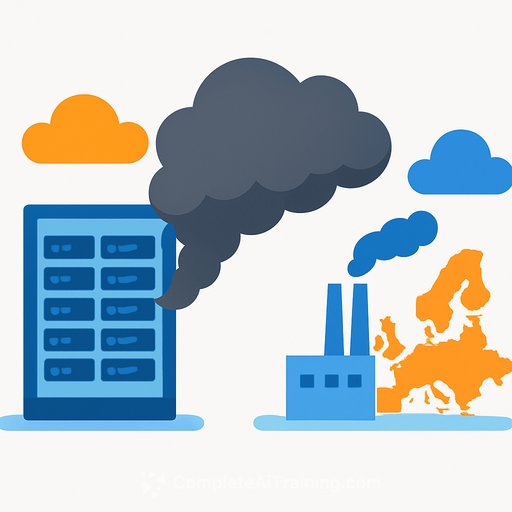
The 400 largest data centers in the United States emitted roughly 28.3 million tons of carbon dioxide between May 2024 and April 2025 - more than the entire nation of Denmark produced in a year - according to a Harvard University study published Monday in Nature Sustainability. The findings arrive as negotiators at the UN COP31 climate talks in Antalya, Turkey, launched a voluntary clean-energy pledge for data centers, reflecting mounting pressure on the tech industry to reconcile AI expansion with climate goals.
More than half the electricity powering those facilities came from fossil fuels, the researchers found. The centers consumed 82 terawatt hours of electricity, enough to supply nearly 7 million homes for a year. The emissions estimate is two to three times higher than previous studies had indicated, said senior author Francesca Dominici, a Harvard biostatistics professor.
"It is the equivalent to the CO2 emission of an entire state like Michigan or a small European country," Dominici said, adding that plans for 2,000 additional data centers make the trajectory more concerning. "We are going backwards toward the goal of controlling CO2 emissions."
How researchers reached their numbers
The Harvard team examined 403 of the largest U.S. data centers using available data and modeling to estimate electricity use and emissions. Several outside experts in climate, energy, and artificial intelligence said the methodology was reasonable, given that companies do not routinely disclose power consumption and pollution figures.
"We cannot manage environmental impacts effectively without reliable measurements and disclosure," said Fengqi You, a Cornell University energy systems scientist who was not involved in the study. "Ultimately, the environmental footprint of AI is not fixed. It depends on where we build data centers, how efficiently they operate, and how we supply their electricity."
A new pledge - and a political backlash
The COP31 pledge calls for companies and countries to power data centers with clean energy and to be transparent about power, water consumption, and emissions. United Nations climate chief Simon Stiell delivered a blunt message during the launch.
"We cannot ask people to accept higher bills, more planet heating pollution and deeper inequality today in exchange for promises of a better tomorrow," Stiell said. "Claims about future emissions savings cannot excuse rising pollution now, making climate disasters even worse."
The political fallout is already visible. Objections to new data center sites have surfaced in U.S. elections and local planning battles. A separate report from the advocacy group Climate Action Against Disinformation found that electricity consumption by the biggest tech companies rose 240% between 2022 and 2025, pushing them further from their own climate targets. For professionals tracking operational costs and regulatory risk, these numbers signal a shift in how data center projects will be evaluated - particularly in real estate, construction, and government permitting. Professionals looking to build expertise in this area can explore AI Sustainability Courses that cover emissions measurement and clean-energy procurement strategies.
Why this matters for operations and real estate professionals
Data center emissions are becoming a material factor in site selection, permitting, and long-term operating costs. Local opposition to new facilities is growing, and the gap between corporate climate pledges and actual electricity consumption is widening. For those in real estate, construction, and government roles, the Harvard findings provide a concrete baseline for assessing project risk - and for negotiating energy agreements that align with tightening regulatory expectations.