
AI news ·
U.S. prepares to propose emergency notification system with China over AI developments
The U.S. plans to propose a direct AI emergency notification hotline with China to prevent misunderstandings. The channel would enable rapid alerts on critical AI incidents or breakthroughs, though verification and trust remain major hurdles.
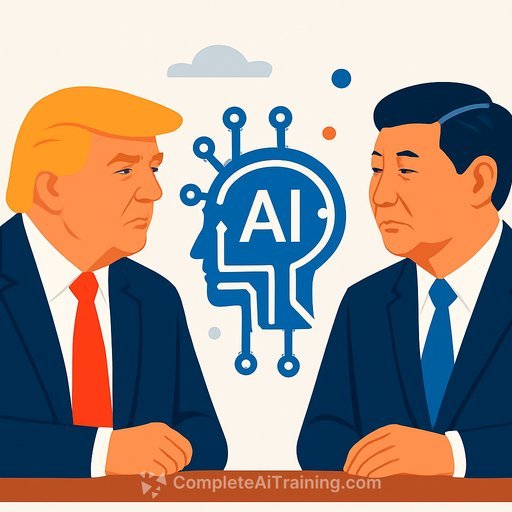
The United States is preparing to propose a direct emergency notification system with China focused on artificial intelligence developments, according to sources familiar with the matter. The initiative, reported Thursday, would create a channel for rapid alerts on significant AI incidents or breakthroughs, aiming to reduce the risk of misunderstandings between the two nations in a technology domain both increasingly view as critical to national security.
The proposal is still in early stages and would complement existing diplomatic frameworks. It specifically targets AI's dual-use nature across military, civilian, and cybersecurity applications. Officials suggest the system could include real-time alerts for major AI research milestones, deployment of critical systems, or detected anomalies in AI behavior that might pose national security threats.
How the proposed channel would work
The mechanism mirrors established hotlines for nuclear incidents or military communications. Proponents see it as a vital layer of stability in an emerging technology space where misperception carries high stakes. The idea comes amid parallel global efforts on AI governance - including the U.S.-led Bletchley Declaration and China's own domestic AI regulations.
Details remain sparse. The system's scope, technical implementation, and protocols for triggering alerts have not been finalized. The proposal is expected to be formally introduced in upcoming bilateral talks, though no timeline has been set.
Verification concerns and geopolitical friction
Critics point to significant hurdles around verification and enforcement. China's AI ecosystem operates with limited transparency, and distinguishing benign advancements from threatening ones poses a fundamental challenge. Success would depend on mutual trust and reciprocal information sharing - a tall order given current tensions over semiconductors, data flows, and AI export controls.
Observers note that the initiative's fate hinges on whether both sides can compartmentalize AI safety cooperation from broader strategic competition. The mechanism would require sustained political will from both Washington and Beijing to function as intended.
Why this matters for executives and strategy leaders
The proposal signals that AI risk management is moving from theoretical discussion to concrete diplomatic infrastructure. For executives operating in or adjacent to government contracting, defense, or regulated industries, this development carries practical weight. A functioning U.S.-China notification channel could influence export control decisions, shape compliance requirements for dual-use AI systems, and affect how cross-border AI partnerships are structured. The outcome of these talks - whether a working model for tech diplomacy or a casualty of strategic rivalry - will set precedents that ripple through supply chains, investment decisions, and regulatory frameworks. Professionals tracking AI governance should watch the formal introduction of this proposal closely, as it may accelerate parallel demands for corporate incident reporting standards.