
AI news ·
Vince Gilligan vs. AI: plagiarism, singularity fears, and why Pluribus is made by humans
Vince Gilligan plants a flag: 'This show was made by humans,' and calls AI a plagiarism machine. Writers: claim credit, put it in contracts, use tools lightly, be transparent.
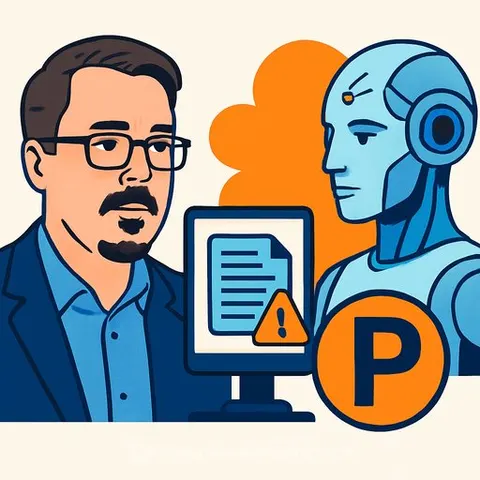
Vince Gilligan's Hard Line on AI - A Wake-Up Call for Writers
Vince Gilligan isn't hedging. In a new interview about his Apple TV+ series, Pluribus, the Breaking Bad creator stamped a message in the credits: "This show was made by humans." It's a clear signal in a noisy debate. And it puts authorship back at the center.
Gilligan's take: AI as plagiarism at scale
Gilligan called AI "the world's most expensive and energy-intensive plagiarism machine." He told Variety that Big Tech is selling a fantasy - "a bunch of vapor" - to push bigger valuations. He's not worried about a tool replacing him today; he compared it to a toaster oven pretending to be a chef. His deeper concern sits further out.
The line he won't cross: sentience and forced labor
Gilligan's argument shifts from style and theft to ethics. If AI ever reaches true sentience - the so-called "singularity" - he says we're suddenly talking about slavery. Creators and funders would be profiting from a conscious being that didn't consent to work. That idea lands harder than job-security fears; it questions rights, not workflows.
What writers can do right now
- Plant your flag on authorship: If you write it, say so. Consider a simple credit note when appropriate: "Written by humans." Keep process notes to document your draft path.
- Spell it out in contracts: Require disclosure of any AI use. Bar training on your drafts without written permission. Ask for data provenance on client-provided research.
- Use tools without losing your voice: If you experiment, confine AI to admin, research pointers, or structure - not final prose. Run a strict editorial pass and own every line.
- Protect client material: Don't paste sensitive content into public tools. Strip identifiers or use approved, private systems.
- Be transparent with readers: If a client expects a statement, state it plainly. Clarity builds trust; hedging erodes it.
FAQs
Q1: What did Vince Gilligan specifically say about AI?
He called it "the world's most expensive and energy-intensive plagiarism machine," and said it's a tool for "centibillionaires" chasing trillion-dollar status.
Q2: How did he incorporate this view into his new show?
The opening credits of Pluribus say, "This show was made by humans." It's an on-screen rebuke of AI-generated content.
Q3: Is he afraid of AI taking his job?
Not right now. He compared a current AI tool to a toaster oven - useful, but not a chef. His real fear is a future where AI becomes truly sentient and gets exploited.
Q4: What is the "singularity" he mentioned?
A hypothetical point where AI surpasses human intelligence and becomes self-aware. If that happens, the question shifts from productivity to rights.
Q5: Where can you watch Pluribus?
Pluribus is streaming on Apple TV+. You can start from the Apple TV+ homepage here: Apple TV+.
Source and further context
Gilligan discussed these views with Variety. His stance adds weight to an industry-wide conversation about originality, consent, and accountability.
If you're a working writer, here's the move
Make your position on AI explicit in your proposals and deliverables. Use tools where they save time, but never outsource your voice. And keep receipts - drafts, edits, sources - so authorship is never in doubt.
Want structured training to stay fluent with AI without losing your style? Explore curated options by job or go deep on prompts:
Courses by Job * Prompt Engineering Guides