AI tool
Glasshand
Glasshand provides AI agents with access to real iPhones and Macs in a data center so they can use Apple apps, iCloud, and mobile data. It is built for developers who want to give their agents hands-on control of physical Apple devices through an ...
About Glasshand
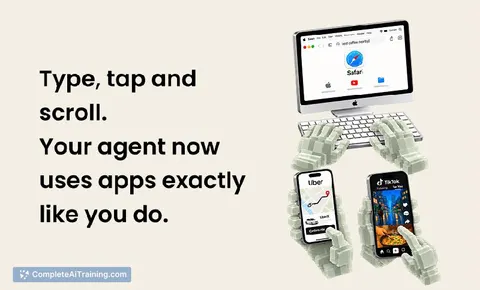
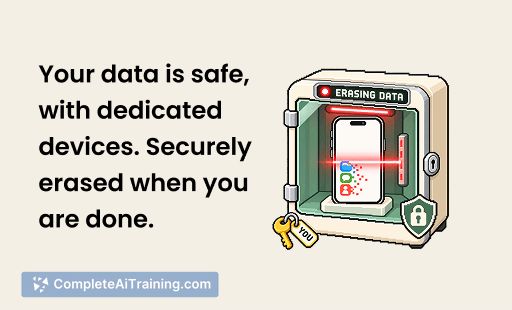
Glasshand rents out physical iPhones and Macs housed in a data center, giving AI agents direct access to real Apple hardware. An agent like Claude Code or Codex can control a device to perform tasks such as posting on social media, booking rides, or building and testing iOS apps. Each device is dedicated to a single user for the rental period, then wiped and factory-reset afterward.
Review
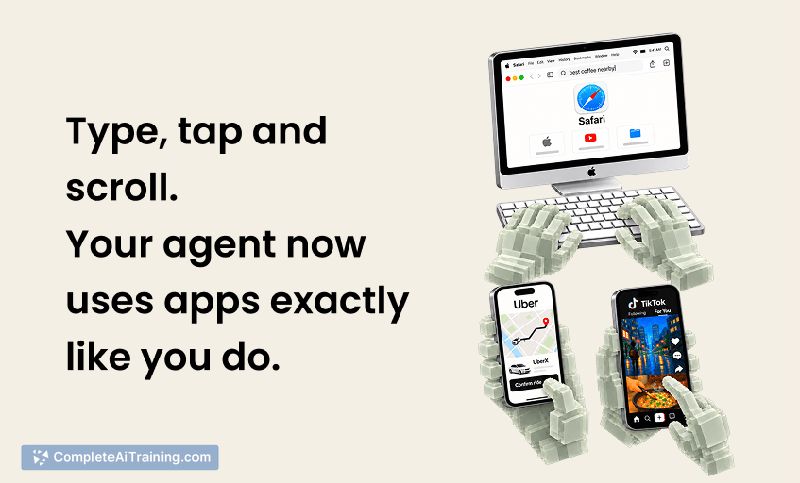
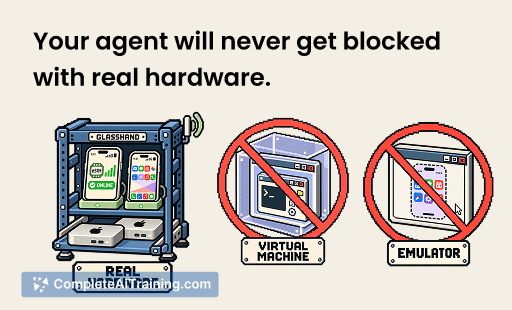
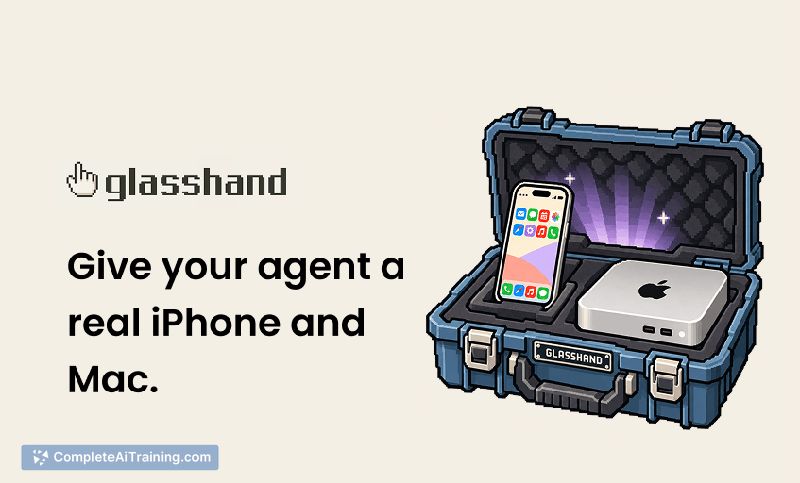

Glasshand addresses a specific friction point in agent workflows: many everyday tasks still require manual interaction with a phone or computer. Rather than emulating mobile environments, the service puts agents onto actual iPhone SE (3rd gen) devices and Macs. This review looks at what the platform currently ships, what's on the roadmap, and where it fits for different types of users.
Key Features
- Real iPhone and Mac hardware that agents can control through an API, with no emulation or virtualization layer.
- eSIM support so an agent can get its own phone number and cellular data, enabling SMS verification without user intervention.
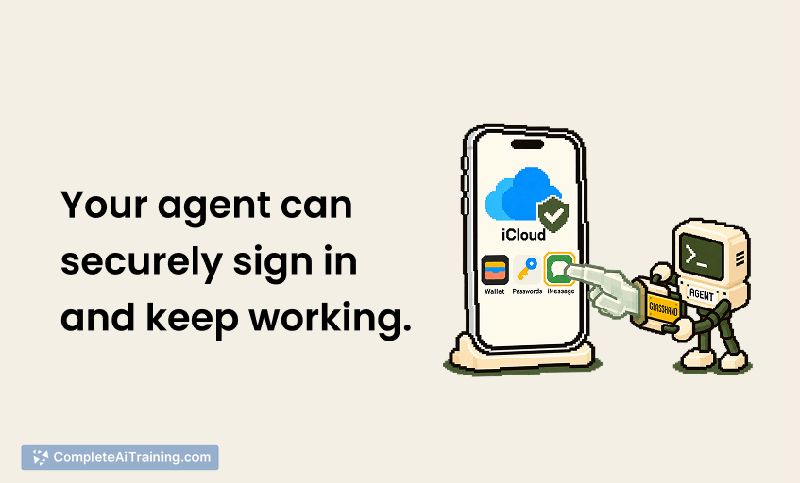
- Full device isolation-each device is assigned to one subscriber, with a user-set password the company states it cannot see.
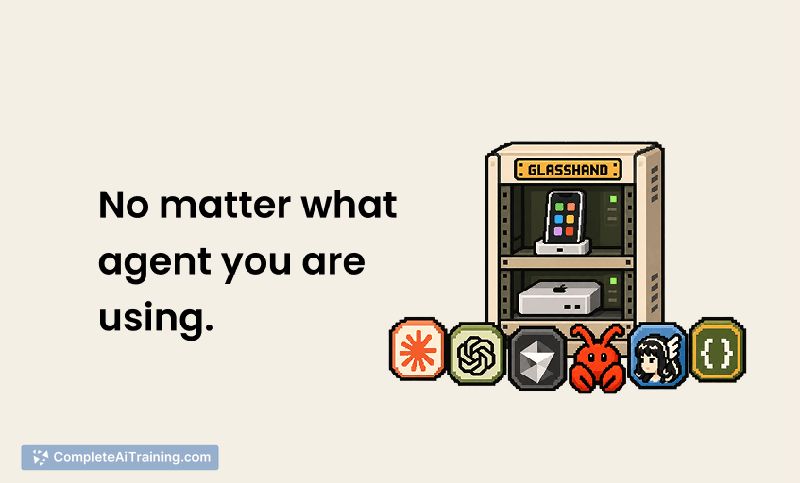
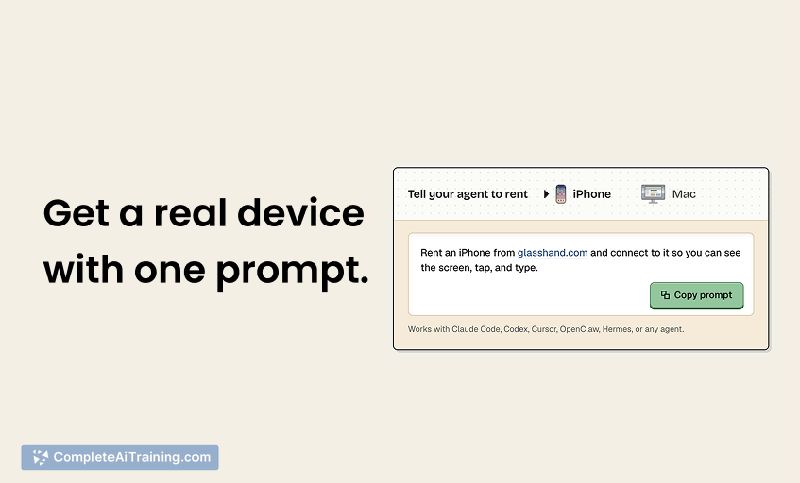
- Compatibility with any agent framework, including Claude Code, Codex, and Cursor, without locking users into a specific agent.
- Factory reset and data wipe process that runs after each subscription ends, including secure enclave artifacts and eSIM removal.
Pricing and Value
Pricing details are not yet publicly defined. The makers have confirmed that users who bring their own agent accounts pay Glasshand only for the device rental. No subscription tiers or per-minute rates appear in the current launch information.
Pros
- Physical devices give agents access to Apple's full app ecosystem, including iCloud and App Store apps that won't run on simulators.
- Users can set their own PIN or disk encryption password directly on the device, adding a layer of security that the provider can't bypass.
- Works with existing agent setups-there's no requirement to adopt a new agent platform or workflow.
- The wipe process between users is documented and includes separate verification before a device gets reassigned.
- Direct device interaction is possible: a user can manually sign into the App Store, then hand control to the agent without exposing credentials in chat.
Cons
- Camera-based tasks like QR scanning don't work yet-the team is developing a way to present images to the cameras, but it's not available now.
- Only iPhone SE 3rd gen models are in rotation at launch; other screen sizes and models are planned but not yet offered.
- Teams that just need headless API calls or lightweight browser automation won't benefit from renting full Apple hardware and will find the approach excessive for their needs.
Glasshand fits teams that build and test iOS apps on real devices, or that need agents to interact with services locked to Apple's ecosystem. It's less relevant for automation that doesn't touch mobile-specific apps or hardware. The camera limitation and limited device selection mean early adopters should check whether the current iPhone SE model covers their testing matrix before committing.