AI tool
Hydrilla
Hydrilla generates 3D aquatic plants and vegetation for use in game engines and 3D software. It is for artists and developers who need customizable underwater foliage, with plugins available for Blender and Unity.
About Hydrilla
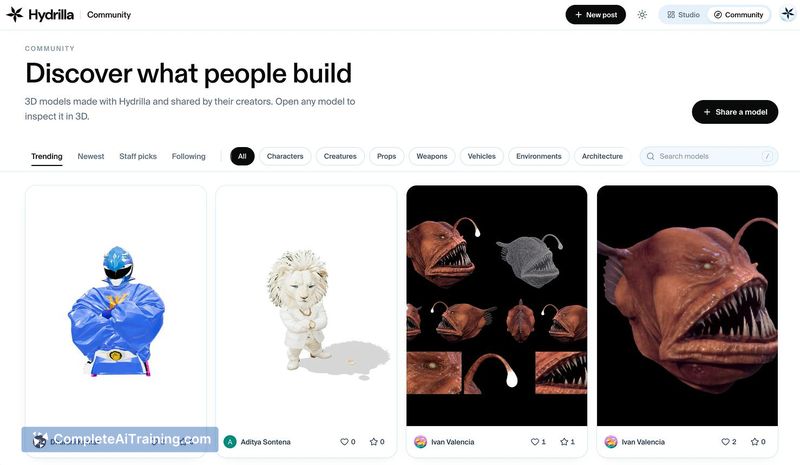
Hydrilla is an AI-powered 3D asset generator that creates textured models from text prompts or image uploads. It uses a proprietary model called BlueFox, trained on Pixel3D, and integrates directly into tools like Blender, Maya, Unity, and Unreal Engine through plugins. The platform also includes an agent for creating and editing 3D scenes using natural language.
Review
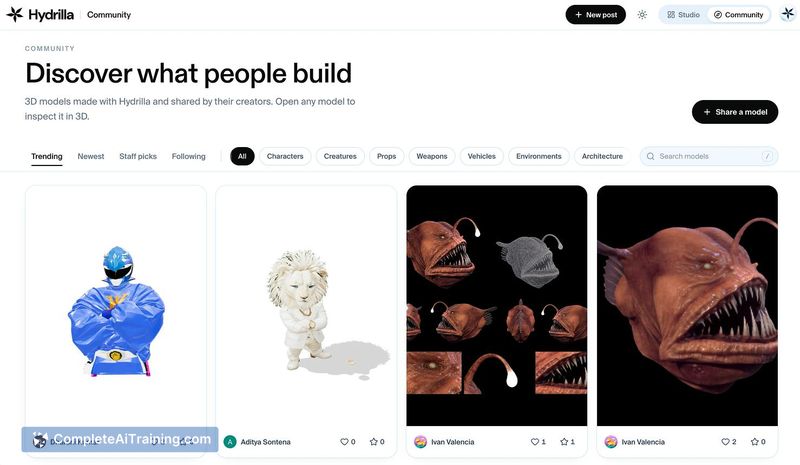

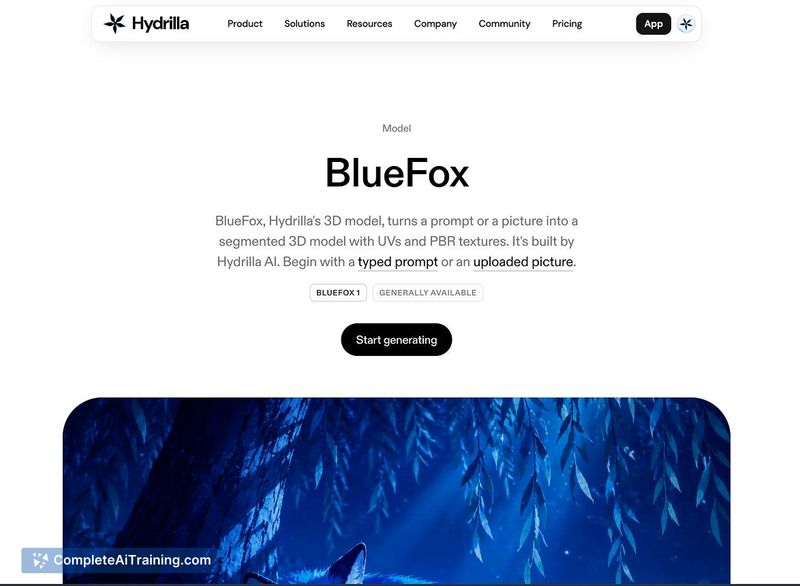
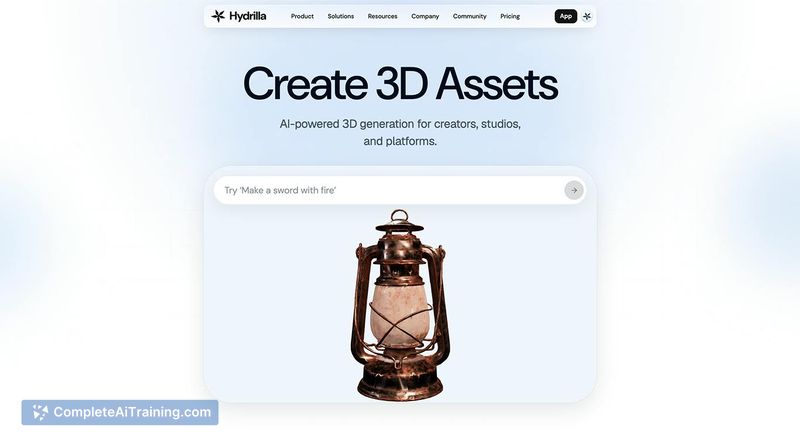
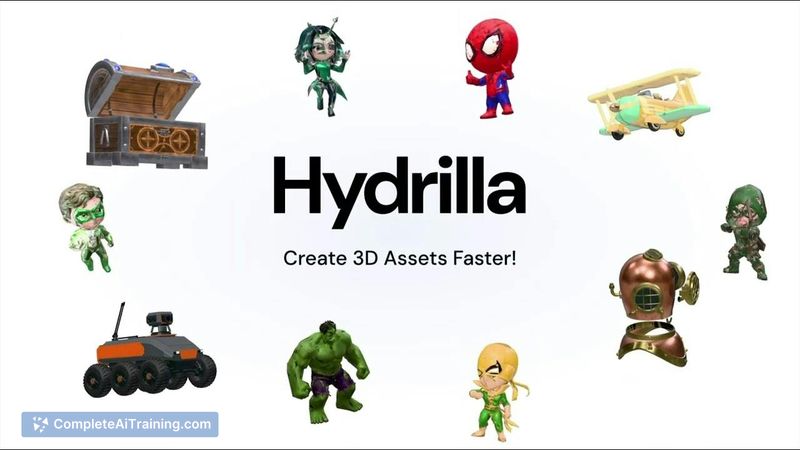
Hydrilla enters the 3D generation space with a focus on fitting into existing production workflows rather than replacing them. The tool orchestrates multiple AI models through its core pipeline, with BlueFox handling the generation itself. It launched this week, so long-term reliability and community adoption remain open questions.
Key Features
- Generate textured 3D assets from text prompts or by uploading a photo of a real object
- Create and edit 3D scenes through natural language commands with Hydrilla Agent
- Plugins for Blender, Maya, Unity, and Unreal Engine to bring AI generation into existing software
- MCP connectivity that lets Claude Code, Cursor, or Codex interact with 3D tools
- API access for integrating 3D generation into custom pipelines
Pricing and Value
Hydrilla offers a Free plan, though the specific limitations of that tier are not detailed in the available information. A community question about whether Blender and Unity plugins work on the Free plan has not received a public answer at this time. Pricing for paid tiers has not yet been defined in the launch materials.
Pros
- Works inside tools artists already use, which reduces the friction of switching between applications
- Accepts both text prompts and image uploads for generating models, giving flexibility in how assets are initiated
- BlueFox is the team's own model, meaning they control the generation quality and can iterate on it directly
- MCP support opens up scripting and agent-driven workflows beyond the built-in UI
- Targets multiple industries-game development, animation, and XR-with the same core pipeline
Cons
- Topology consistency and UV map cleanliness are unaddressed in the current information; a user asked about retopology passes and received no reply, leaving mesh quality for game use uncertain
- As a newly launched product, it lacks a track record for uptime, support responsiveness, and model consistency across different asset types
- Not well suited for teams that require guaranteed quad-based topology or clean UVs out of the box, as manual cleanup may still be necessary
Hydrilla fits teams that want to accelerate prototyping and blockout phases without leaving their established DCC tools. It's also worth a look for developers experimenting with AI-driven 3D pipelines through its API and MCP integrations. Production teams with strict topology and UV requirements should test the output quality against their specific standards before committing.