AI tool
Hyperdream
Hyperdream generates images from text descriptions using a model trained on your own photos. It is for developers who want to add personalized, on-brand image generation to their applications.
About Hyperdream
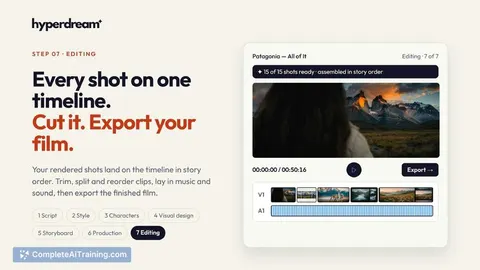
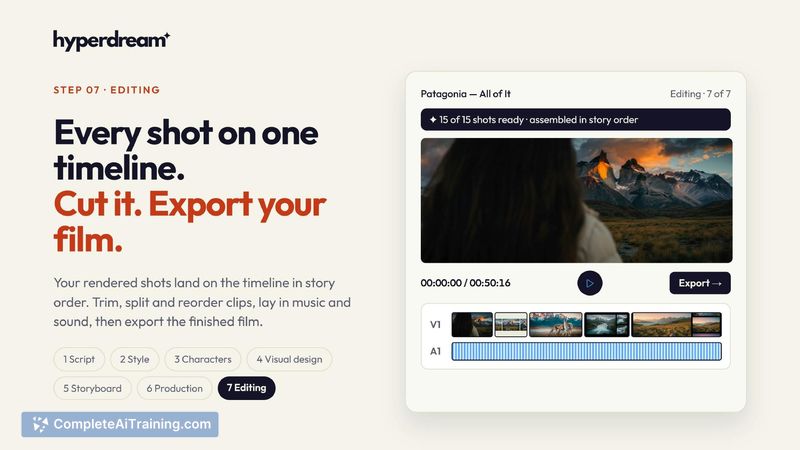
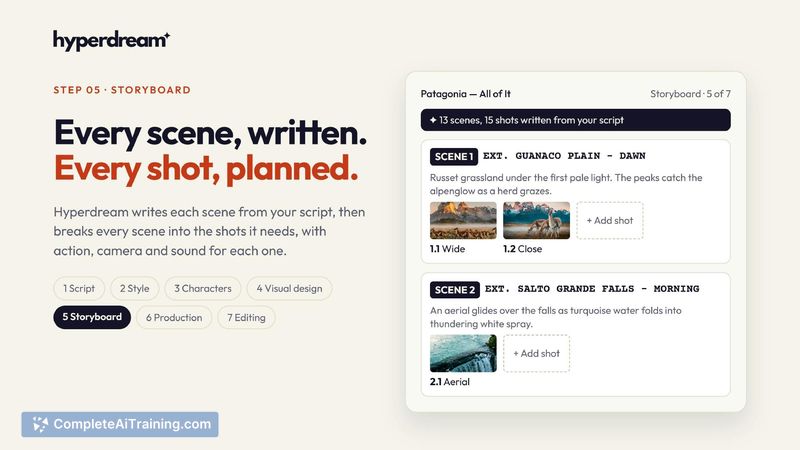
Hyperdream is an end-to-end agentic AI filmmaking platform that consolidates script writing, character cast design, storyboarding, shot creation, video production, and editing into a single workflow. The platform manages context across these stages, recommends models, and maintains consistency so the creator can focus on storytelling rather than switching between separate tools. It launched this week and is currently available to try.
Review
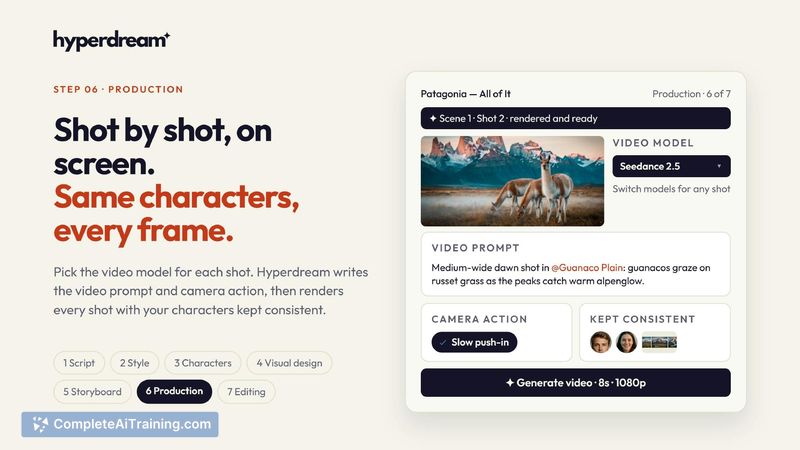
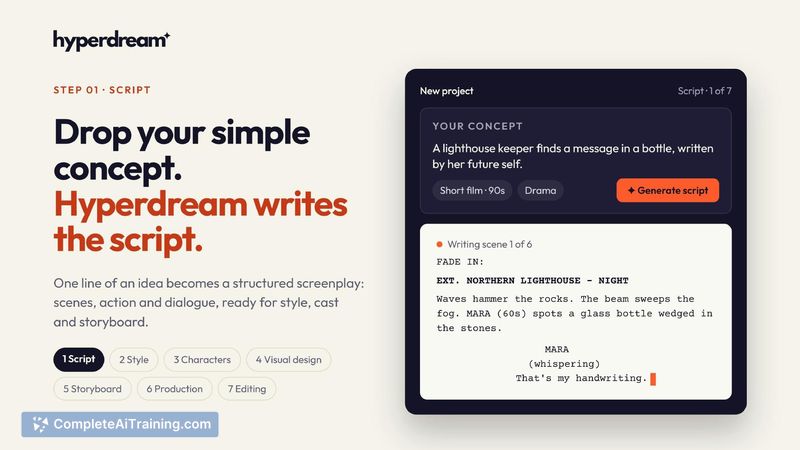
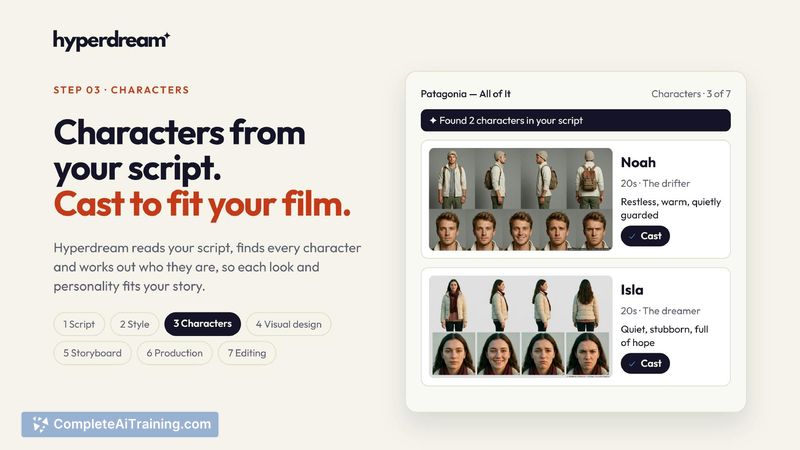
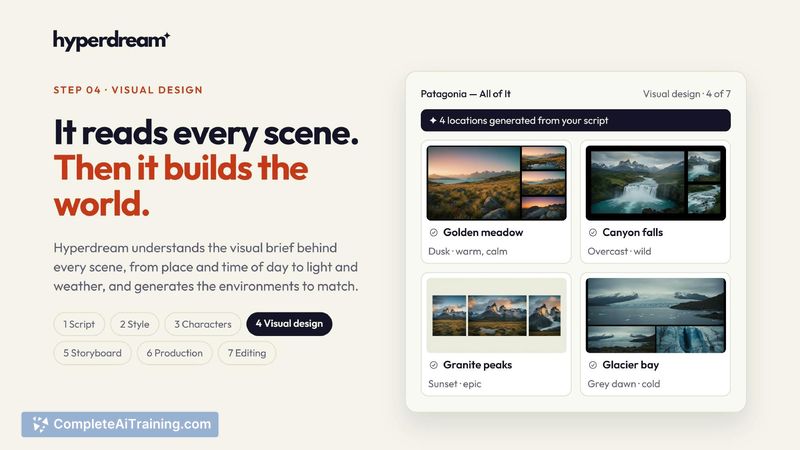
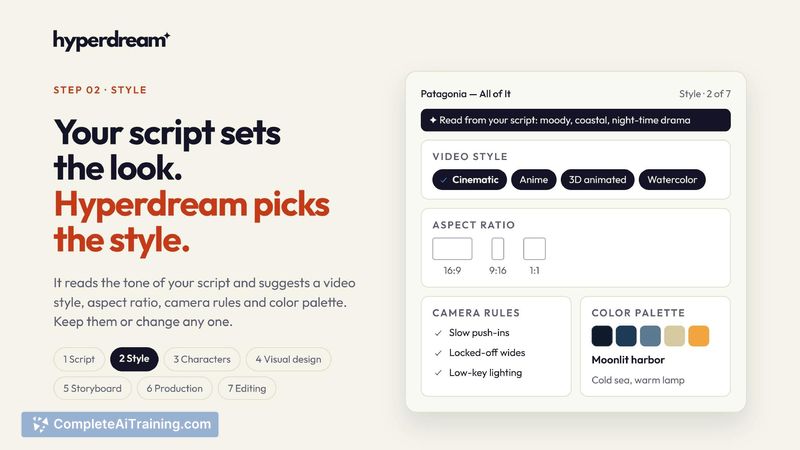
Hyperdream enters a space where AI filmmaking typically means stitching together outputs from script generators, image models, video models, and editing tools - a process the maker describes as taking five days for a two-minute clip. The platform attempts to keep characters, visuals, style, and narrative direction connected across the entire production chain. This review examines what the tool does in its current state and where it sits among alternatives.
Key Features
- End-to-end agentic workflow that spans script writing, character cast design, storyboarding, shot creation, video production, and editing.
- Context management that carries character details, visual style, and story direction between production stages without manual re-prompting.
- Model recommendation system that selects appropriate AI models for different tasks within a project.
- Consistency maintenance across visuals and characters as a project moves from storyboard to final video.
- Integrated editing capabilities that work within the same platform instead of requiring export to external software.
Pricing and Value
Hyperdream is tagged as having free options, though specific pricing tiers or usage limits are not yet defined on the product page. The platform uses Dodo Payments for transaction handling and tax compliance across users' countries of origin. During the MVP stage, the team built on free tiers from Supabase and Google Antigravity, but commercial pricing details for end users remain unannounced.
Pros
- Reduces the number of separate AI tools a creator needs to juggle for a single film project.
- Agent-driven context handling means less manual copying of prompts and style references between stages.
- Built on a stack (Vercel, Supabase, Claude, OpenAI) that the development team uses to iterate quickly and ship updates.
- Free access tier lets creators test the full workflow before committing to any paid plan.
- Character and style consistency is maintained automatically rather than through creator vigilance alone.
Cons
- As a newly launched product, it lacks a track record of production use and community feedback is minimal.
- Pricing structure is unspecified, making it hard to evaluate long-term cost against standalone tools.
- Not well suited for creators who already have a finely tuned multi-tool pipeline and prefer granular control over each component rather than an integrated agentic approach.
Hyperdream targets creators who find the current multi-tool AI filmmaking process fragmented and time-consuming. It may appeal to storytellers who want to move from idea to video without learning the quirks of separate script, image, and video platforms. Teams or individuals with established, customized pipelines across specific tools will likely find the integrated approach less flexible than what they already use.
Jobs Hyperdream suits
We checked Hyperdream against 500+ jobs; these get the most out of it.
Alternatives to Hyperdream
Other tools that do the same main job. Our AI compared Hyperdream with similar tools and kept the ones you could use instead.