AI tool
loopclub
Loopclub is a globally shared drum machine where users collaboratively write beats on a real-time blockchain grid. It serves musicians and AI users creating loops that automatically distribute royalties to cell owners.
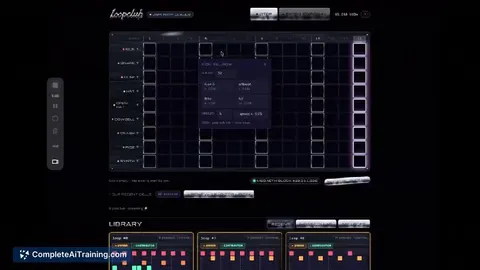
About loopclub
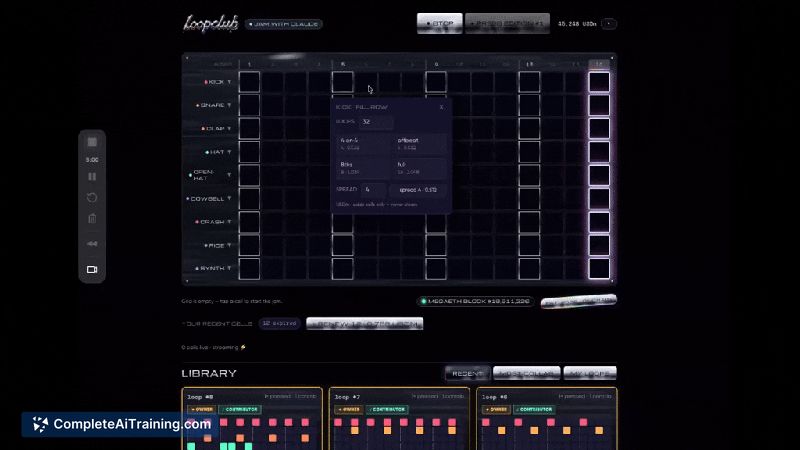
loopclub is a single, globally shared drum machine running entirely on a blockchain. It presents a 16-step, 9-track sequencer where every cell toggle is a transaction on MegaETH, making beat-making a realtime, multiplayer act. The instrument is open source (MIT license) and uses synthesized audio - a TR-808 emulation and a 303-style acid line - with no samples.
Review
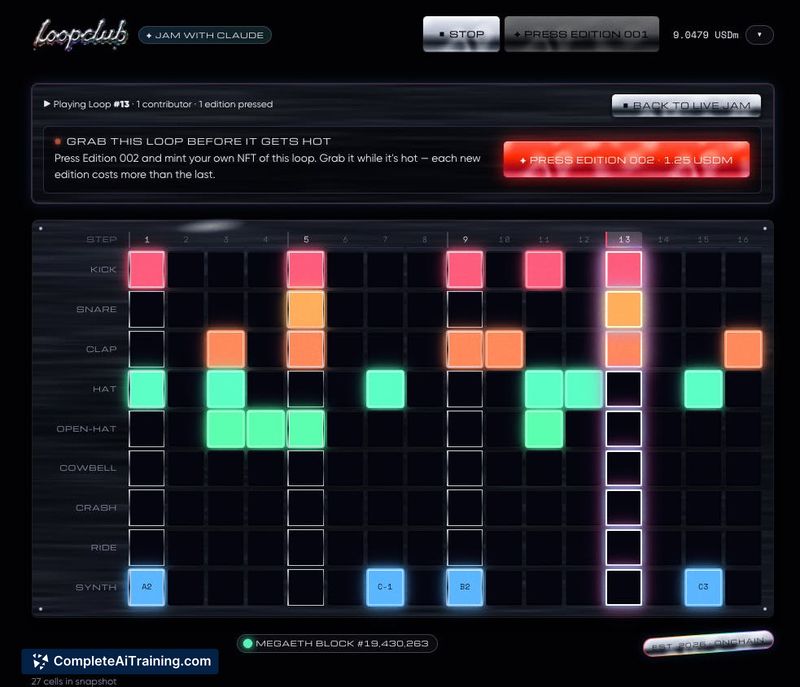
loopclub turns the familiar step sequencer into a collaborative canvas that anyone can hear without signing up. Because the grid lives onchain, every cell placement is a real write, and that permanence feeds directly into how ownership and payouts work. It's not a simulation of a drum machine - it's one actual instrument that the internet shares at the same time.
Key Features
- A single 16-step, 9-track grid where cells update live as people claim them around the world. Each placement is a blockchain transaction, so the grid state is always settled, not just synced.
- When someone records a loop, the snapshot becomes an edition. Every person who owned a cell in that moment gets paid automatically each time a copy is pressed - attribution and revenue sharing are built into the instrument itself.
- An MCP server lets you ask Claude to generate a loop from a text prompt (like "dark techno, four-on-the-floor kick"). The server packs it into a playable link; auditioning what Claude wrote is free.
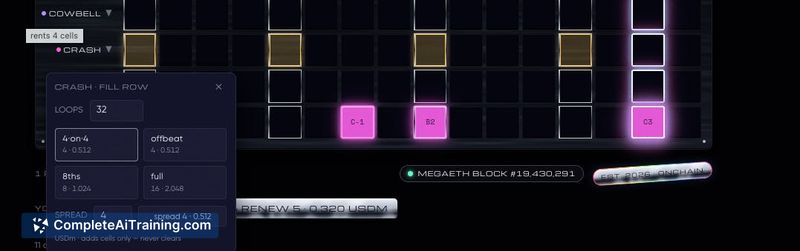
- One-click row fills let you rent an entire pattern (4-on-the-floor, offbeat, etc.) in a single transaction without overwriting other players' cells, making it faster to lay down a groove while keeping the grid collaborative.
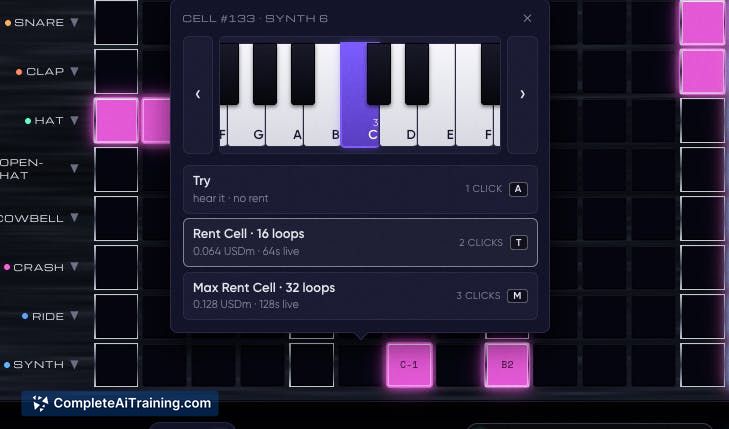
- Listening and auditioning any cell sound requires no wallet or signup. You can tap a cell to hear its sample without spending anything.
Pricing and Value
Auditioning and listening are free and always will be. To place a cell, you need a funded wallet on MegaETH; each cell costs fractions of a cent. Recording a loop costs 1 USDm. There is no subscription. The economic model ties directly to the onchain design: cell owners earn from copies of recorded loops they contributed to, with payouts handled automatically by the smart contract.
Pros
- The collaborative grid feels genuinely alive - you see and hear other people's additions in real time, and the shared ownership model means every contribution can earn ongoing royalties.
- Claude integration via the MCP server is a clever way to jumpstart a loop with a text description, and the generated link doesn't commit anything onchain until you explicitly rent the cells.
- The lease system for cells (up to roughly 2 minutes, with renewal stacking time) prevents permanent grid lock-ups while still giving you a window to build a pattern.
- Open source code and synthesized audio mean the tool is inspectable and doesn't rely on sample libraries.
- Row-fill shortcuts reduce the friction of placing multiple cells, especially when you want to quickly establish a kick or snare pattern.
Cons
- Placing cells requires a funded crypto wallet on a specific chain (MegaETH), which adds setup steps and cost - even if tiny - that a purely browser-based drum machine would avoid.
- The mobile experience appears limited; one user reported being unable to place cells from a phone, likely due to wallet and transaction signing requirements.
- loopclub is not well suited for someone who wants a private, solo practice tool or a traditional DAW-style sequencer with full control over timing and sound design. The shared grid and two-minute cell leases mean you can't lock in a pattern indefinitely.
loopclub makes the most sense for people curious about onchain collaboration who are comfortable setting up a MegaETH wallet and spending small amounts to participate. It's also an interesting experiment for musicians who want to see how automatic revenue splitting could work in a live, multiplayer instrument. If you'd rather just listen or tinker with Claude-generated loops, the free auditioning path gives you a taste without any blockchain friction.
Jobs loopclub suits
We checked loopclub against 500+ jobs; these get the most out of it.