AI tool
Mubert API
Mubert API enables developers to generate, edit, and stream music tracks directly into their pipelines. It allows users to swap stems and create tracks up to two hours long using Skills.

About Mubert API
Mubert API is the eighth launch from Mubert, a platform that generates AI-produced music in real time. The API lets developers integrate generative music into their own products, with controls over track editing, stem swapping, and streaming. It's positioned as a building block for apps that need copyright-protected, AI-generated audio at scale.
Review

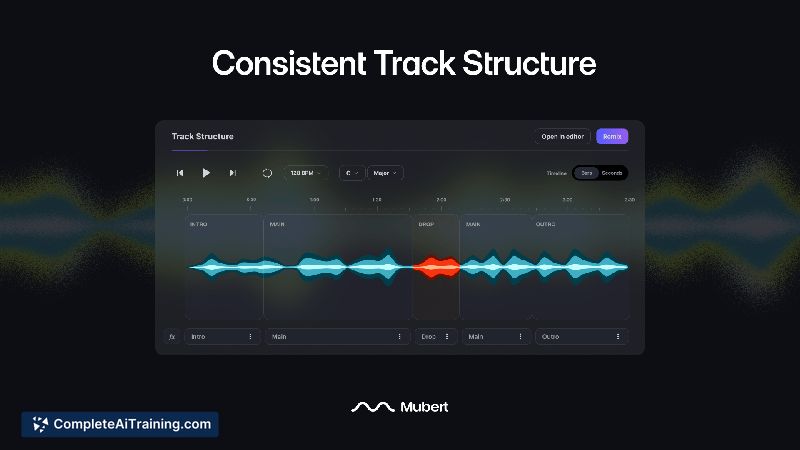
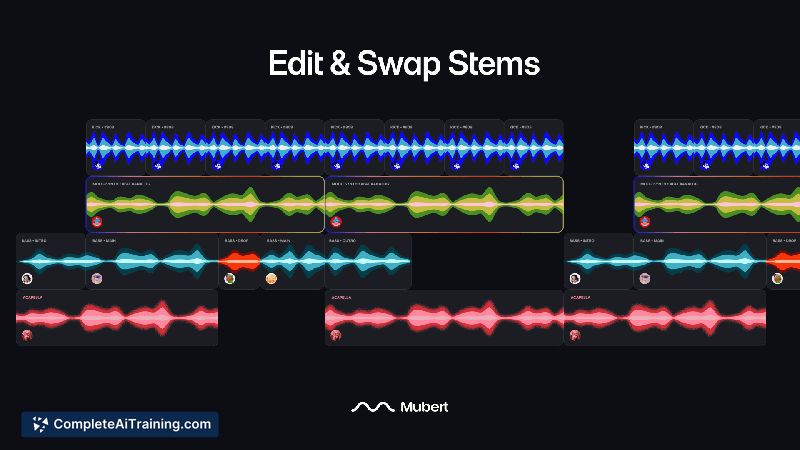

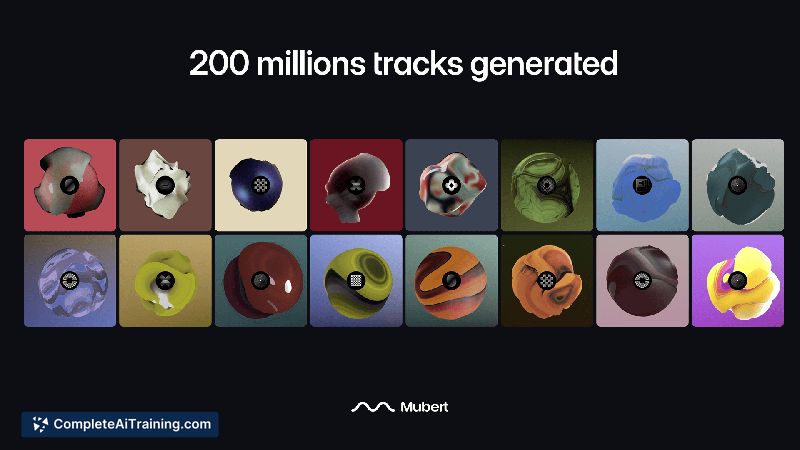
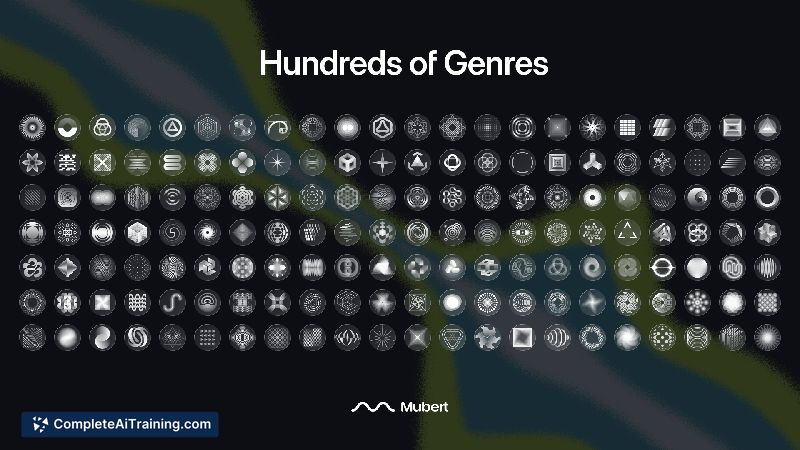
This release shifts the focus from simple track generation to giving developers more granular control. You can now edit a track after it's made, swap individual stems, and rely on a new engine that keeps the composition more consistent across its full length. The trade‑off is that some editing operations aren't instantaneous, and licensing specifics for commercial reuse aren't spelled out on the page.
Key Features
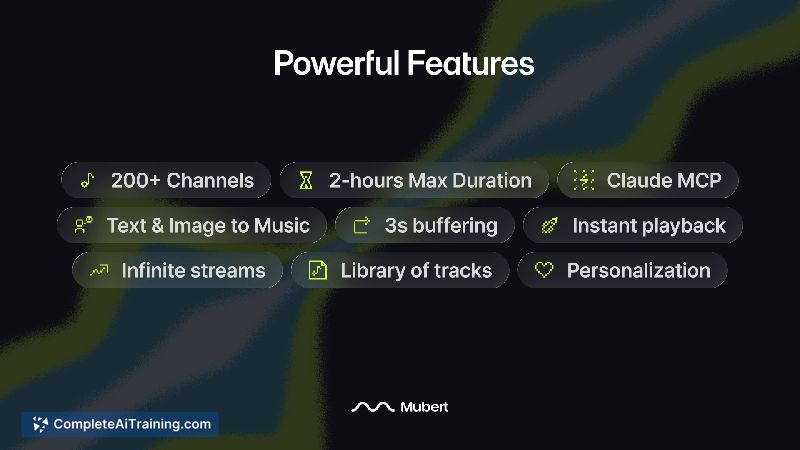
- Track editing after generation, so you can revise a composition without starting over.
- Stem swapping to replace a single instrument layer (drums, bass, etc.) in an existing track.
- A new generation engine that produces more cohesive, consistent music across a track's duration.
- Real-time music streaming - continuous, low-latency audio output for long-running sessions.
- Integration Skills for Claude and Codex, which cut down the initial setup time from hours to a few clicks.
- Tracks can be up to two hours long, suitable for background music in fitness, wellness, or streaming apps.
Pricing and Value
The launch page does not list pricing details. A team member noted that a stem swap costs roughly the same as generating a full track, so repeated edits will multiply usage costs. The music is described as "worldwide copyright-protected," but the exact scope - whether it covers tracks generated and then delivered to a paying end customer - remains unclear from the available information. Developers building commercial features on top of the API should clarify licensing directly before committing.
Pros
- Stem swapping changes the workflow from a blind reroll to an editable asset, as one early tester pointed out.
- Real-time streaming outputs music continuously without robotic-sounding loops.
- The Claude/Codex Skills reduce integration friction, letting you build without reading lengthy docs.
- Long-form generation (up to 2 hours) fits use cases that need extended, uninterrupted playback.
- Track editing and stem control give developers more say over the final output than a simple prompt‑and‑render API.
Cons
- Stem swapping is not a real-time operation; it costs a full generation, so you can't put a live slider in front of users without racking up charges quickly.
- Licensing terms for tracks generated and then used inside a paid app or for a client's commercial content are not clarified on the page.
- Developers who need instant, low-cost iterative edits or precise genre variety may hit limits - the focus here is on consistency, not sub‑genre breadth, and the generation cost per edit adds up.
The API suits teams building apps that need long, continuous music streams - think wellness, fitness, streaming platforms, or creator tools that benefit from editable stems. It's less appropriate for interactive products where a user expects real-time stem changes, or for developers who need explicit commercial licensing terms upfront without back‑and‑forth.
Alternatives to Mubert API
Other tools that do the same main job. Our AI compared Mubert API with similar tools and kept the ones you could use instead.