AI tool
Muse Wonder
Muse Wonder is Meta's model series for personal and professional agents. It carries context across conversations, works through blockers on hard goals, and adds domain expertise in law, finance, health, and coding. It is available via the Meta Mod...
About Muse Wonder
Muse Wonder is a model series from Meta AI Research, released as two variants: Muse Wonder and Muse Wonder Full. The series targets personal and professional agents, with a focus on retaining context across conversations and working through complex, long-running tasks. It is available through the Meta Model API and Muse Code, with the Full version restricted to Muse Code subscribers.
Review


Muse Wonder enters a crowded field of agent-oriented models by concentrating on memory and persistence rather than raw conversational flair. The two-tier release gives API developers one set of capabilities and Muse Code subscribers a more extensive version. This review examines what the models actually ship with, where they fall short, and who stands to get the most practical use out of them.
Key Features
- Active Memory - carries context about you across separate conversations and surfaces relevant details for the current task.
- Active Focus - works through blockers on hard goals, tries alternative approaches, and checks in or asks for clarification before taking important actions.
- Domain expertise - specialized knowledge in law, finance, and health, such as interpreting a lease agreement.
- Frontier coding - tracks requirements, edits codebases, and iterates through testing cycles, trained on long-running coding tasks.
Pricing and Value
Muse Wonder is accessible now through the Meta Model API, while Muse Wonder Full is available to Muse Code subscribers. The announcement does not define standard API pricing for Muse Wonder, nor does it detail the subscription cost for Muse Code. Users asking about extra costs on top of standard API rates have not received a public clarification as of this writing.
Pros
- Active Memory persists user context across sessions, reducing the need to re-explain background information.
- Active Focus attempts to solve problems by trying different methods instead of stopping at the first failure.
- Domain expertise covers three professional fields-law, finance, and health-with concrete examples like lease comprehension.
- Frontier coding handles multi-step software tasks, including codebase edits and testing cycles.
- Meta has published named benchmarks (Harvey's Legal Agent Benchmark, FocusBench, SWE-Marathon) for third-party verification.
Cons
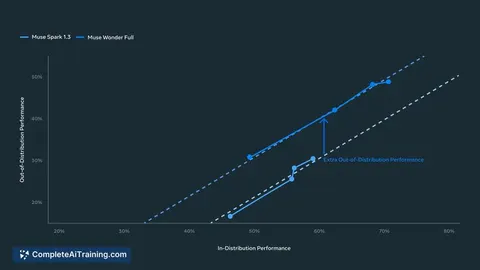
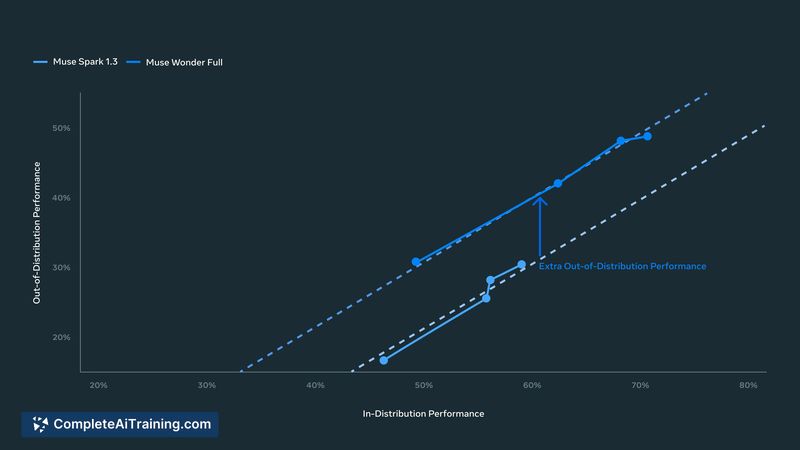
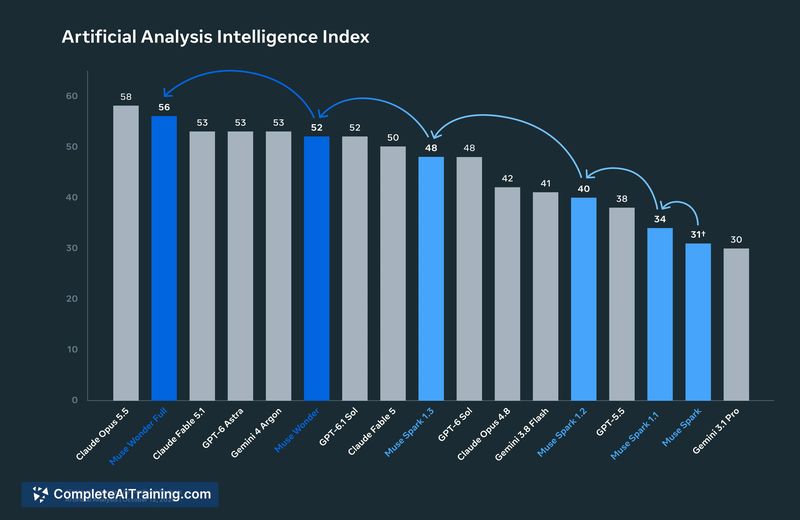
- Actual benchmark scores are not stated in the announcement text; performance claims rely on charts without numerical values in the post.
- Mixing unrelated tasks in the same Active Memory stream can cause the model to hallucinate variables, as noted by an early user.
- The tool is not well suited for developers who need clear, upfront API pricing or who cannot accept the risk of context contamination across project types.
Developers building personal agents through the Meta Model API or Muse Code will find the memory and focus mechanisms immediately relevant. The domain expertise modules make it a practical option for legal, financial, or health-related applications that require continuity across sessions. Teams working on long-running coding projects may also see value, provided they isolate project contexts carefully.